

Audio By Carbonatix
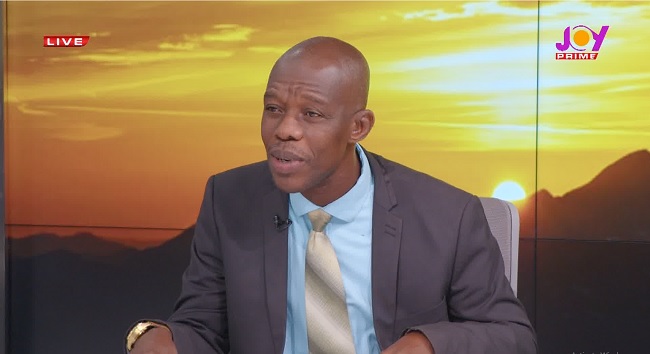
Executive Member of the Parents Teachers Association, Noel Kofi Mawufegbe, has said that all Ghanaians, including the government, have failed to prioritize education.
According to him, education should be given special attention, as it is a major sector in all aspects; unfortunately, it has failed.
Speaking on Joy Prime’s Prime Morning show, Mr. Mawufegbe asserted that parents are requesting the independence of the education field to allow for neutrality in terms of governance.
“We parents are saying that it should get to a point when education stands alone because the table on which we are at this moment, minus education, where would you have been? Education has to be given such top-notch priority that is first without second, but have we done so in this country? No, we’ve all failed, including our professors, doctors, and everybody involved as a society,” he told the host, Roselyn Felli.
Mr. Mawufegbe emphasised that politics has not been helpful to education. Instead, he thinks the constitution, which is the main regulation, is the best tool for enhancing the system without political intervention.
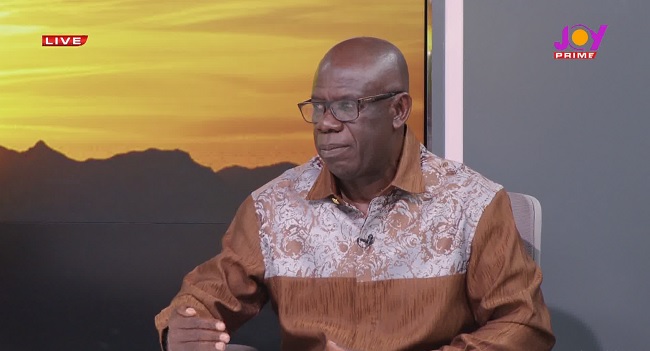
Hayford Attah Krufi, spokesperson on the New Patriotic Party’s Education Manifesto, shared his thoughts as to whether education should be politicised or not; he concurred with Mr. Mawufegbe, adding that the well-being of children matters and decisions regarding their education should be done by neutral bodies and experts.
“I believe sincerely that education should be depoliticised because every Ghanaian child matters. When you’re educating a child, decisions as to what is good for them are something that has to be taken by educators and policymakers. So, it should be depoliticised,” he said.
He furthered that the sustainability of the things they learn in school and the environment they find themselves in is the most important thing. Therefore, decision-makers who are important in determining the progress of the children’s future should not be politically affiliated.
“So, I agree with Noel that we should take education out of politics and standardise it for the benefit of children and for the future," he reiterated.
According to the United Nations Children's Fund (UNICEF), Ghana’s educational net enrolment for KG and primary is 89% and 92%, respectively, between 2021 and 2022. It also reported that in 2024, 80 percent of children still do not acquire basic skills in literacy and numeracy by the end of primary school.
Based on the reports, UNICEF concluded that strong political leadership and advocacy are among the major factors affecting the country’s education system.
Latest Stories
-
ASFC 2026: Ghana U15 girls set up Burkina Faso final after win over Zambia
53 seconds -
The passport question: Why Ghana must let its best abroad come home to serve
12 minutes -
We will be losing twice if these commodities expire at the port – CSOs Coordinator warns
20 minutes -
Setting up national champions to fail: the case of Ibrahim Mahama and E&P
21 minutes -
Rwanda’s capital embraces urban farming as development squeezes rare land
22 minutes -
Argentina passes bill loosening protection of its glaciers
23 minutes -
Sammi Awuku to question GMA in Parliament over vessel linked to alleged drug trafficking
36 minutes -
Trapped miner rescued from flooded Mexican tunnel after 14 days
44 minutes -
NPRA to prosecute employers over unpaid Tier 2 Pension contributions — Deputy CEO warns
50 minutes -
ACCPA calls for Africa’s strategic repositioning at NUS, Singapore
58 minutes -
Oil prices rise as concerns grow over ‘fragile’ US-Iran ceasefire
1 hour -
Four people die trying to board boat in Channel crossing attempt
1 hour -
Crude production hits 6-year low—PIAC calls for urgent investment plan
1 hour -
NPP revises internal election guidelines to strengthen transparency and inclusiveness
2 hours -
NACOC set to issue licences to qualified applicants for cannabis cultivation – Deputy Director-General
2 hours