

Audio By Carbonatix
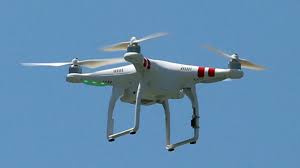
Ghana’s pursuit of advanced drone technology through a potential partnership with Ukraine—reportedly discussed during high-level meetings between President John Dramani Mahama and Ukrainian President Volodymyr Zelenskyy in July—signals a bold move toward strengthening border security amid growing regional instability, especially in the Sahel. While the promise of enhanced surveillance and defence capabilities is attractive, such international cooperation requires careful consideration of associated governance and operational challenges.
Ukraine remains a nation navigating significant political and economic transitions, compounded by the ongoing conflict with Russia. Despite commendable efforts to strengthen institutions and align with European governance standards, concerns persist regarding the effectiveness of anti-corruption mechanisms and fiscal oversight. Transparency International’s 2024 Corruption Perceptions Index, which ranked Ukraine at 35 out of 100, underscores these ongoing challenges.
Several reports from civil society organizations and European oversight bodies have raised questions about how public funds and foreign assistance are utilized in Ukraine. In instances cited by activists and watchdogs, local governments have been criticized for prioritizing non-essential infrastructure projects during wartime. For example, controversies have arisen in municipalities such as Zhytomyr and Vinnytsia, where allocations for public beautification and roadworks drew public scrutiny at a time when some military units reportedly lacked sufficient supplies. While these cases do not necessarily reflect the broader national approach, they highlight the importance of due diligence and transparency in international partnerships.
Furthermore, a 2023 report by the European Court of Auditors noted persistent challenges in ensuring full transparency and accountability for external aid in Ukraine, despite the establishment of institutions such as the National Anti-Corruption Bureau. Allegations of mismanagement within large infrastructure programs like the "Great Construction" initiative have been widely discussed in Ukrainian media, prompting investigations and public debate.
Economic pressures also pose potential complications. According to the IMF, Ukraine's projected debt-to-GDP ratio may exceed 100% by 2025, which could limit its fiscal capacity to support external industrial ventures, including high-tech exports such as military-grade drones. Analysts have noted that the country’s defense manufacturing sector is already under strain, as production increasingly focuses on fulfilling immediate battlefield needs.
From Ghana’s perspective, these overlapping issues necessitate comprehensive risk management frameworks if such a partnership is pursued. Key safeguards could include:
Transparent Procurement: All contracts should include third-party auditing by international firms, with real-time monitoring of expenditure and delivery timelines.
Performance-Based Payment: Rather than upfront disbursements, financial arrangements should be tied to verifiable performance milestones.
Legal and Exit Protections: Agreements should contain robust exit clauses in the event of non-performance, governance breaches, or geopolitical instability.
Diversification Strategy: Ghana may consider parallel engagements with other countries offering similar drone technologies within more stable regulatory environments.
Ghana’s national security interests, particularly in the northern regions, are urgent and legitimate. However, aligning with any external partner—especially one undergoing complex political and economic transformation—requires vigilance, robust oversight, and contingency planning. By adopting stringent due diligence protocols, the Mahama administration can help ensure that any such partnership contributes meaningfully to Ghana’s security objectives without exposing the country to unintended financial or operational risks.
Latest Stories
-
Black Stars: Seven years of decline while hashtagging love
10 minutes -
Today’s front pages: Thursday, October 1, 2026
11 minutes -
Gov’t to suspend GH¢1 D-Levy on diesel for October and November
43 minutes -
Fire destroys belongings in Akweteyman apartment
1 hour -
Baffour Awuah to turn himself in to EOCO today – JoyNews sources
1 hour -
Government identifies payment discrepancy holding up teachers’ strike resolution
2 hours -
BoG signals no FX intermediation for October as GoldBod plans $1bn support for banks
2 hours -
When share ownership becomes personal: The African mindset of the Dangote IPO
2 hours -
Why MFWA Legal Fund matters to Ghana’s democracy
2 hours -
Fuel prices to rise from October 1; diesel could hit GH¢19.60 – COMAC
2 hours -
Parliament must investigate how 3.9 tonnes of cocaine left Ghana undetected – Samuel Jinapor
2 hours -
Government pledges to pay striking teachers as payment dispute is resolved
2 hours -
Government cannot investigate drug exports under its own watch – Abu Jinapor
2 hours -
Government extends GH¢2 diesel subsidy for two more months
2 hours -
GTEC flags over 100 tertiary institutions as unrecognised
2 hours