

Audio By Carbonatix
Authorities investigating the deaths of at least 60 people in northwestern Democratic Republic of Congo suspect the water source in one of the areas may have been contaminated, the World Health Organization said Friday. But the agency said it's too early for a definitive conclusion.
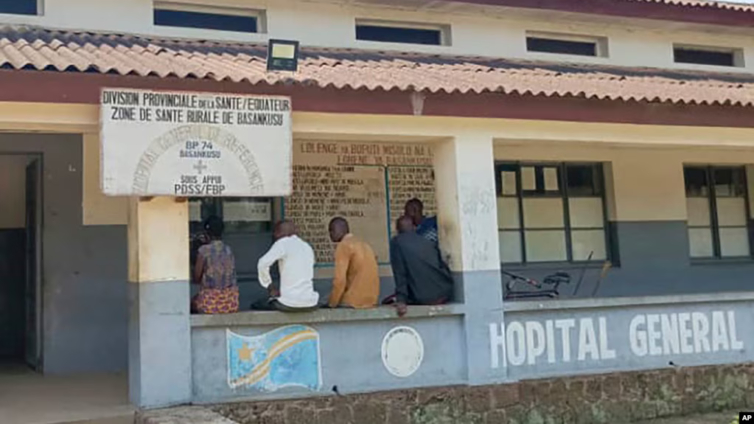
Doctors are investigating more than 1,000 illnesses that have emerged since late January in five villages in Congo's Equateur province, where high rates of malaria have complicated efforts to diagnose the cases and where officials have said they've been unable so far to confirm the main cause.
WHO emergencies chief Dr. Michael Ryan said during an online briefing Friday that for one of the villages there is "a very strong level of suspicion ... related to the poisoning of a water source."
Ryan did not clarify whether he was referring to contamination by accident, negligence or deliberate action. He also did not identify the village where the poisoning was suspected.
"We will not stop investigating until we are sure that the true cause or the absolute cause of what is occurring here is fully investigated," Ryan said.
Illnesses were first detected in late January in the village of Boloko after three children ate a bat and died within 48 hours.
Twelve cases and eight deaths in total have been recorded in Boloko, with no new cases recorded since January, officials say, adding that nearly half of deaths there occurred within hours of the onset of symptoms.
The village of Bomate in Basankusu health zone, around 200 kilometers from Boloko, has been hit the most: 98% of the cases and 86% of deaths have been recorded there, health officials say.
WHO said on Thursday that hundreds of the patients have tested positive for malaria, which is common in the region. In addition to common malaria symptoms such as fever and body aches, patients have also shown symptoms such as chills, sweating, stiff neck, runny or bleeding nose, cough, vomiting and diarrhea.
The health crisis has caused fear among residents, some of whom have said they fled the villages to avoid falling sick.
Experts say that access to the sick has been hindered by the remote locations of the affected villages and that several people died before medical teams were able to reach them.
Latest Stories
-
Epstein survivors’ calls to meet King Charles and Queen harder to ignore as US visit approaches
2 minutes -
UN Secretary-General names Ghana’s Anita Kiki Gbeho as South Sudan envoy
3 minutes -
Mali withdraws recognition of Sahrawi Republic, backs Morocco’s autonomy plan
8 minutes -
Gov’t distributes over 8,500 laptops to One Million Coders project
9 minutes -
Julius Debrah, ‘man to beat’ as NDC’s James Agbey dismisses Musah Dankwah’s polls
15 minutes -
GPRTU in Savannah Region to protest alleged eviction in Damongo
44 minutes -
Re: Reinsurance does not replace process — A response to the SIGA–SIC defence
59 minutes -
Gender Ministry supports Harriet Amuzu in ongoing abuse case
1 hour -
AG joins plaintiff to scrap OSP ?: We should be mindful of the mischief in this – Bobby Banson
1 hour -
Samson Lardy Anyenini questions willingness of Attorneys-General to prosecute political colleagues
1 hour -
It is only fair the OSP is heard in Supreme Court case – Bobby Banson
1 hour -
Asiedu Nketia resumes Ashanti tour, second leg kicks off on Sunday
2 hours -
NLA denies salary cut claims, threatens legal action over reports
2 hours -
BoG Governor honoured for stabilising cedi, improve inflation
2 hours -
Kyebi Easter Homecoming 2026: A resounding success!
2 hours