

Audio By Carbonatix
Wilful loan defaulters could soon face a five-year ban from accessing credit from any regulated financial institution in Ghana.
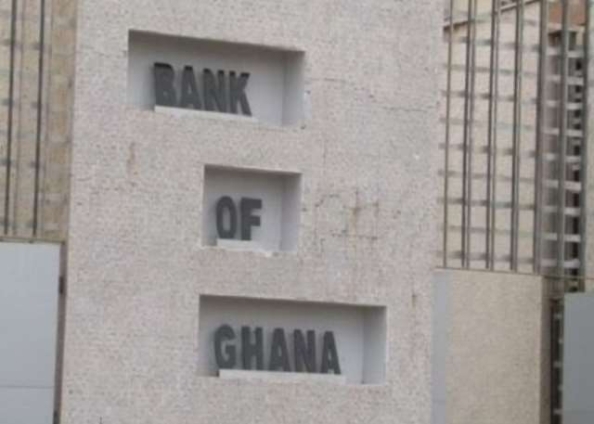
The new Bank of Ghana (BoG) directive also requires commercial banks and other regulated lenders to publish the names of such defaulters twice a year, on June 30 and December 31, in at least two national daily newspapers and on their websites in a prescribed format.
These measures form part of BoG’s latest regulatory actions to curb rising non-performing loans (NPLs) and reduce risks to the profitability, liquidity, and solvency of the banking sector.
The central bank has already notified all regulated financial institutions of the directives and published explanatory notes for the public.
Defining Wilful Loan Default
Under the new rules, a borrower is deemed a wilful defaulter if they fail to repay a loan despite having the capacity to do so, divert loan funds for other purposes, or secure a loan through falsified collateral or fraudulent documentation.
Credit Access Restrictions
The directives bar regulated financial institutions from granting fresh loans to defaulters from the date the BoG approves a loan write-off.
The prohibition period will be twice the length of time between the write-off approval and the full settlement of the debt.
Borrowers listed as wilful defaulters on two or more occasions within ten years will face a mandatory five-year ban, or longer if the calculated prohibition period exceeds that duration.
The restrictions also target directors of companies found to have engaged in fund diversion, misrepresentation, falsified accounts, or fraudulent transactions.
Path to Credit Eligibility
A wilful defaulter may regain access to credit upon fully repaying all written-off loans and fees, and if the lender is satisfied with the borrower’s ability and willingness to meet future repayment obligations.
Prudential Limits on NPLs
The BoG is also enforcing stricter prudential limits, requiring banks and other financial institutions to keep their NPL ratio at or below 10% by the end of 2026.
Microfinance institutions must maintain their existing limit of 5%.
From January 1, 2027, institutions exceeding these limits will be barred from paying dividends, issuing bonuses, or expanding their loan portfolios.
Latest Stories
-
Church of Pentecost supports over 2,000 BECE candidates in Obuasi with career guidance seminar
8 minutes -
Brandon Asante and Coventry all but promoted to Premier League despite Sheffield Wednesday draw
30 minutes -
GPL 2025/26: Late Kwartemaa strike downs Hearts in Tema
36 minutes -
Ghana Faces Sierra Leone Moment as Prosecutorial Powers come under strain
46 minutes -
Don’t consume fish or seafood from Tema Shipyard until further notice – FDA warns
51 minutes -
Why volunteering might be Africa’s most underrated career accelerator
57 minutes -
ActionAid Ghana raises concern over gender gaps in Feed Ghana Programme
59 minutes -
Windstorm wreaks havoc in Gushegu, displacing nearly 2,000 residents and damaging schools
1 hour -
Friends of Bridget Bonnie Marks her 35th birthday with donation to Kasseh Model Health Centre
2 hours -
From Ekumfi Kokodo to the Pulpit Stage: Essi Donkor’s gospel journey takes shape
2 hours -
Landfilling waste management creates no value, it’s an economic waste
2 hours -
Photos: Speaker Bagbin Commissions MPs constituency office under parliamentary decentralisation programme
3 hours -
Black Stars technical advisor Winfried Schäfer sacked as GFA shakes up backroom staff
3 hours -
Wenchi water project almost complete, critical to gov’t agenda – GWL MD
3 hours -
Anti-LGBTQ+ bill not part of government’s legislative agenda – Inusah Fuseini
3 hours