

Audio By Carbonatix
SOS Children’s Village in Ghana is admonishing authorities and concerned bodies to heighten public education on the adverse complications of plastic use.
This adds to efforts for homes and individuals to migrate from the use of plastic products, which are common pollution to the environment, as well as to develop a sound treatment for waste collection.
SOS Green Ghana is highlighting plastic waste as harmful to health, hence, the need to treated the menace with the utmost urgency.
The prevalence of plastic waste has become an emergency problem in Ghana, making its harmful nature more pertinent to human life.
The UN's development goals stress the need to address climate change and its effects beyond technical solutions but instead, nurture leaders within communities and systems to foster collaboration, relationships, stakeholder engagement, conflict resolution, and innovative problem-solving for climate challenges.
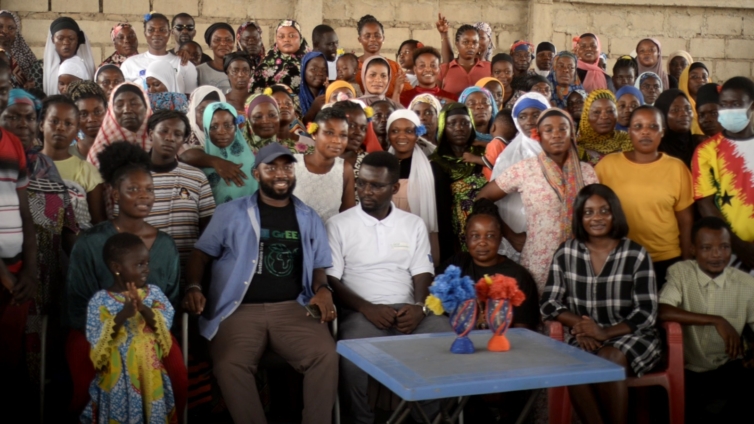
SOS Children's Villages in Ghana collaboration with the recycle-up Hub organized an event in Aboasu-Offinso in the Ashanti region to commemorate this year's occasion under the theme "Planet vs Plastic".
The sensitisation program aims to sensitise participants on the environmental challenges and hazards posed by the increased use and bad disposal of plastics.
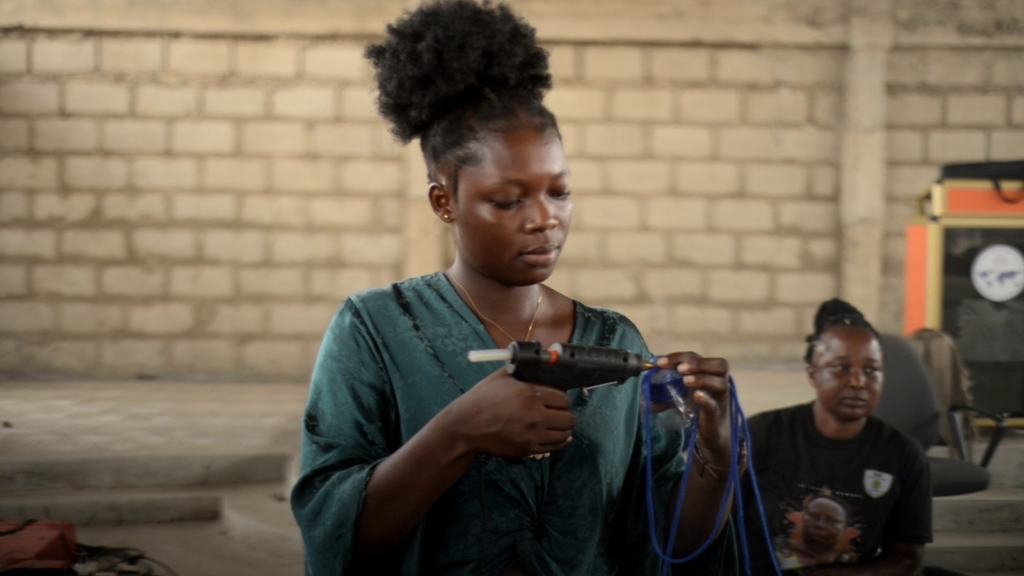
Participants were trained to develop their up-cycled products for exhibitions to expose them to economic opportunities in plastic upcycling.
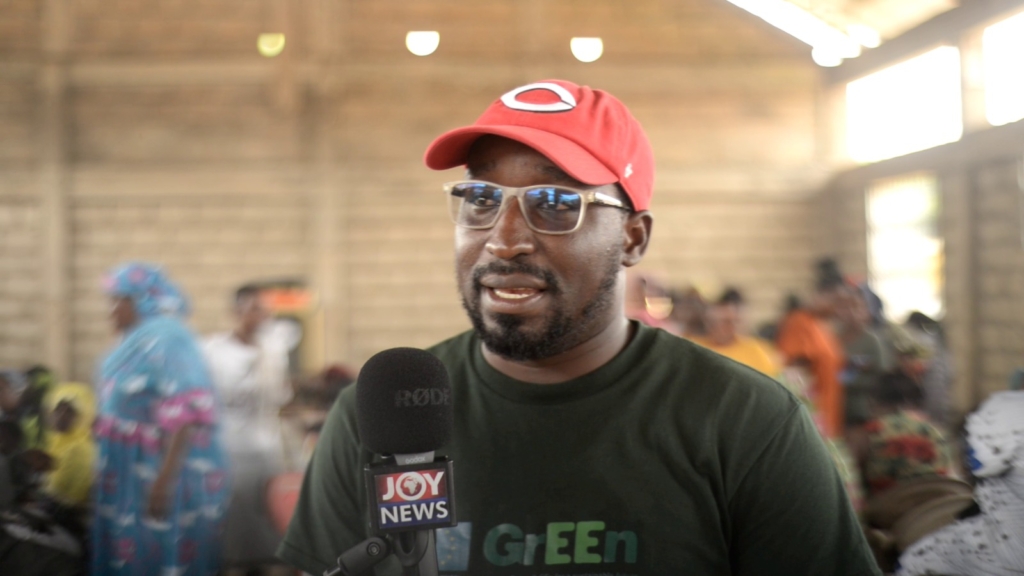
Trainer and Mentor for the SOS GrEEn Project, Moses Kofi Annor, says, proper and heightened education on plastic use in homes will help mitigate the effect of plastic on the environment.
“The time has come to move away from purchasing plastic products as well as to develop sound treatment from waste collection to recycling into new products and create awareness. Plastic waste has become an emergency problem around the world especially in Ghana. It is harmful to our health, and animal life in the ocean and on the land, and it affects sanitation systems.
“There is the need to train the public on how to reduce plastics in their homes and recycle them. The effects of plastic waste are dire. And Ghana cannot afford it. This adds to the reason we have organised this community engagement,” he said.
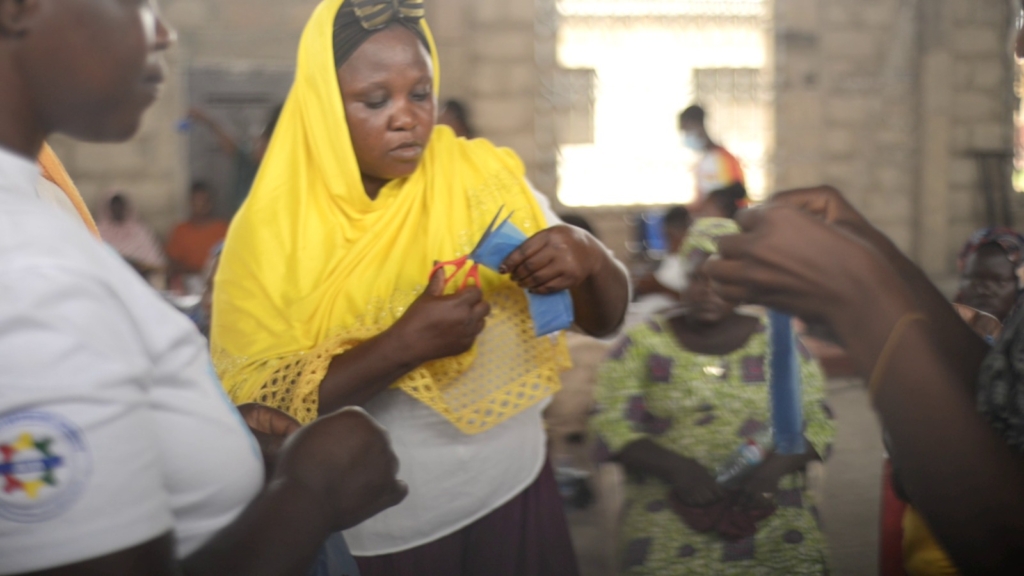
The participants who took part in the training on how to reduce plastics in communities shared their experiences.
“I am aware that plastic is harmful. But I didn’t know that some of these plastics could be reused for things like this. I can just pick them, and use them for something meaningful. I am glad we had this training,” a participant shared.
The event targets 100 Cash for Work beneficiaries from Saboa and Aboasu in the Offinso Municipal.
Latest Stories
-
Ghana must value skilled trades, build resilient learners — Ibn Chambas
5 minutes -
Ghana must rethink education around relevance, resilience and responsibility — Ibn Chambas
8 minutes -
Prince Harry faces defamation lawsuit from charity he co-founded
10 minutes -
South Korea deploys thermal cameras to track escaped zoo wolf
11 minutes -
Calls for royal meeting with Epstein survivors grow ahead of US visit
15 minutes -
Ibn Chambas advocates blend of technology and human values in education
16 minutes -
UMA improves healthcare access in Asutifi North with GH₵700k ‘Kim Taylor Legacy’ Walkway
21 minutes -
Scholarships Authority and Fanaka University offer sponsorship for procurement and supply chain studies
24 minutes -
Bisa Kdei drops new single ‘Go N Look’ featuring Medikal
31 minutes -
Benin facing rising terrorism in north as French military presence faces growing criticism
32 minutes -
UEW Public Lecture Series 2026: Education debate ‘about the soul of Ghana’s future’ — Dr Ibn Chambas
33 minutes -
EU fingerprint and photo travel rules come into force from today
60 minutes -
Anti-LGBTQ+ Bill: Ghanaians demand expedited passage, not dialogue – Ntim Fordjour to Mahama
1 hour -
EU airline industry warns of fuel shortages if Strait of Hormuz stays closed
1 hour -
White House staff told not to place bets on prediction markets
1 hour