

Audio By Carbonatix
Ghana is witnessing a concerning drop in water quality attributed to land use activities, prompting urgent calls for collaborative action.
Human activities such as illegal mining, fishing with harmful chemicals, and improper waste management are contributory factors to the depreciation in water quality.
Recent statistics reveal a significant decline in the quality of the nation’s water resources, plummeting from 86 percent to 58.8 percent.
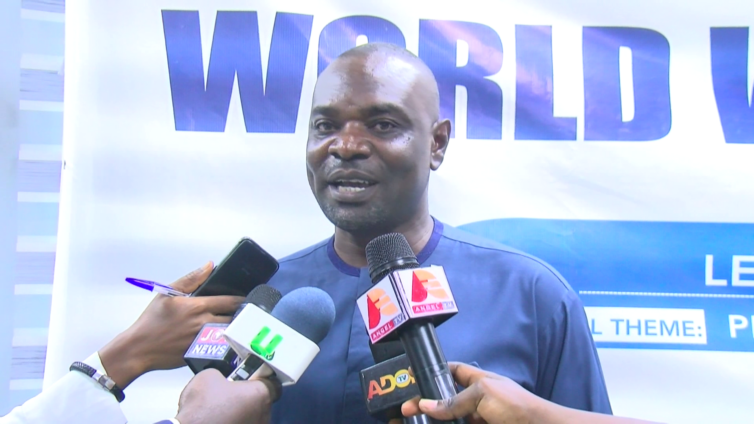
Speaking to JoyNews, the Executive Director of the Water Resource Commission, Dr Bob Alfa, highlighted the reasons for this decline in water quality.
He explained, “Ghana’s water resources are deteriorating in terms of quality. We are experiencing degradation of our water bodies due to land use activities. However, we still have some parts of Ghana where we have quite a lot of good water resources. So, for some areas, we have good water quality, and for some areas, we have poor water quality. That is the situation now.”
Dr Alfa emphasised that Ghana had good water resources in previous years in terms of percentage, but due to the activities of illegal mining, the nation started losing some of its river bodies.
He stressed the need to address destructive land practices to protect Ghana’s dwindling water resources.
“If we are able to combat galamsey and improper waste disposal, I believe we can restore our water quality back to the previous level of 86 percent,” he added.
He clarified that Ghana is within the borderline of being a water-secure country but has been classified as a water-vulnerable country. He warned that if the nation makes mistakes, it could become water-insecure.
Dr Alfa suggested possible solutions to curb the situation, emphasising the need for proactive measures aimed at reversing this trend.
He called for collaboration among stakeholders to ensure a sustainable future for all.
“We have to collaborate with other agencies – such as the Ministry of Lands and Natural Resources, the Environmental Protection Agency (EPA), and other relevant bodies – to eliminate the menace of galamsey,” he said.
The Executive Director of the Water Resource Commission acknowledged that the fight against illegal mining would take time but urged all stakeholders to join forces in this battle.
Additionally, he identified bad fishing methods, such as using chemicals, and improper waste disposal as significant challenges.
Dr Alfa mentioned ongoing efforts to tackle these issues, including collaborating with the Ministry of Fisheries on fish farming and working with local assemblies to address waste disposal problems.
He reiterated his organisation's commitment to collaborating with all relevant agencies to minimise the impacts of these detrimental activities.
Latest Stories
-
GPRTU in Savannah Region to protest alleged eviction in Damongo
24 minutes -
Re: Reinsurance does not replace process — A response to the SIGA–SIC defence
38 minutes -
Gender Ministry supports Harriet Amuzu in ongoing abuse case
51 minutes -
AG joins plaintiff to scrap OSP ?: We should be mindful of the mischief in this – Bobby Banson
58 minutes -
Samson Lardy Anyenini questions willingness of Attorneys-General to prosecute political colleagues
1 hour -
It is only fair the OSP is heard in Supreme Court case – Bobby Banson
1 hour -
Asiedu Nketia resumes Ashanti tour, second leg kicks off on Sunday
1 hour -
NLA denies salary cut claims, threatens legal action over reports
1 hour -
BoG Governor honoured for stabilising cedi, improve inflation
1 hour -
Kyebi Easter Homecoming 2026: A resounding success!
2 hours -
RNAQ divorce ruling: What the noise is hiding
2 hours -
Trade Minister applauds GUTA as a pillar of economic growth; Prez Mahama honoured
2 hours -
President’s brother’s takeover of Damang Mines is ‘untidy’ – Alhassan Tampuli
2 hours -
It’s not true that gov’t decided not to renew the lease for Gold Fields – Bobby Banson
3 hours -
Ghana to boost tomato production with 60-hectare irrigated farms and processing initiatives
3 hours