

Audio By Carbonatix
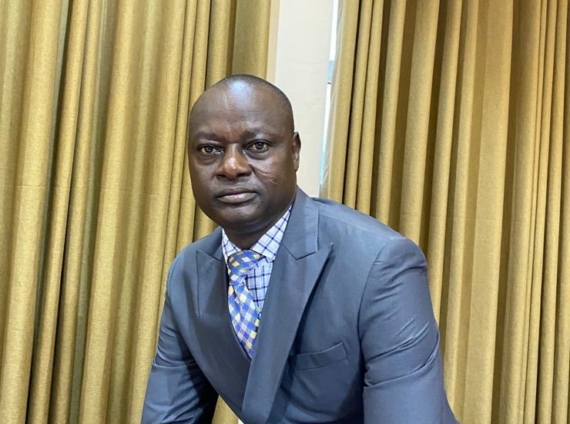
Executive Chairman of the Food and Beverages Association of Ghana (FBAG), John Awuni, says the Finance Minister’s 2024 ‘Nkunim’ budget statement and economic policy did not meet his expectations.
According to him, the Minister had failed to take into consideration any of the requests and suggestions his association had made.
He said his association had called for the removal of certain taxes and levies including the covid-19 levy, the excise duty on food and drinks among others, but none had been met.
“It was our view that covid-19 levy should be removed, it was our general view that excise tax on food and drinks should be removed, it was our view that they should kind of remove the special import levy at the port, it was our view that they should have a bit of interest in the way electricity tariffs are reviewed particularly with the manufacturing sector. It was our view that they should engender some kind of activity in the private sector,” he said.
According to John Awuni, the budget as it is will not engender any growth in the private sector and will not contribute significantly to the alleviation of the ordinary Ghanaian’s hardship.
“We wanted to see a budget that will reflect in the lives of the common man so that come first January when you go into the market to buy kenkey, it may reflect in the price of that kenkey.
“We wanted to see that if you go and buy waakye it will reflect in the price of that waakye. At least, even if the price of that waakye will not go down, it should stabilize. But as it is now it doesn’t look so,” he said.
On the exchange rate, John Awuni stated that the Finance Minister gave no indication of working to reduce Ghana’s cedi depreciation against the dollar.
He said, the current rate of 12 cedis to a dollar is too high and that Minister should have included a plan to reduce it to a single digit.
“In the budget, the exchange rate it appears that we are kind of comfortable with the 12 cedis to one dollar that we have so we say that the exchange rate is stabilized.
“But I haven’t seen any serious efforts pointed out in the budget that we’re hoping that in the year 2024, second quarter, third quarter, the USD will reduce and the cedi will strengthen against the US dollar so that we could get to 9cedis or 7 cedis or 8 cedis to one dollar.
“That is one particular thing that could have brought a lot of hope to the private sector. Because one thing that erodes the capital of the private sector generally is the exchange rate and the level of unpredictability of that we have in the market in this country leaves much to be desired,” he said.
Latest Stories
-
Bear with us over temporary outages as ECG begins transformer upgrade programme – Energy Ministry
23 minutes -
President Mahama has not broken promise on anti-LGBTQ bill — Akwatia MP
56 minutes -
Education Minister promises swift fix to Aburi Girls’ SHS water crisis
1 hour -
Top Australian soldier charged with war crimes to remain in jail on remand
1 hour -
US journalist Shelly Kittleson released after kidnap in Iraq, officials say
1 hour -
Starmer to visit Middle East after US and Iran reach ceasefire deal
1 hour -
Telcos and regulators are failing Ghana on Mobile Money fraud
2 hours -
Discussions on petroleum taxes review ongoing with Finance Minister – Jinapor
2 hours -
BMW Club Ghana partners National Road Safety Commission for “Stay Alive” Easter road safety campaign
2 hours -
Health Ministry launches World Health Day 2026, urges science-based action
2 hours -
MMFL anchors MTN Group’s fintech push in Ghana
2 hours -
Ghana’s economy shows recovery signs, but risks persist – S&P maintains stable outlook
3 hours -
SWAG commemorates its 8th anniversary with a public lecture
3 hours -
Bekwai MP supports community projects with over 400 bags of cement, streetlights and cash during Easter
3 hours -
Ibrahim Mahama claims Police Commander failed to stop alleged assault
3 hours