

Audio By Carbonatix
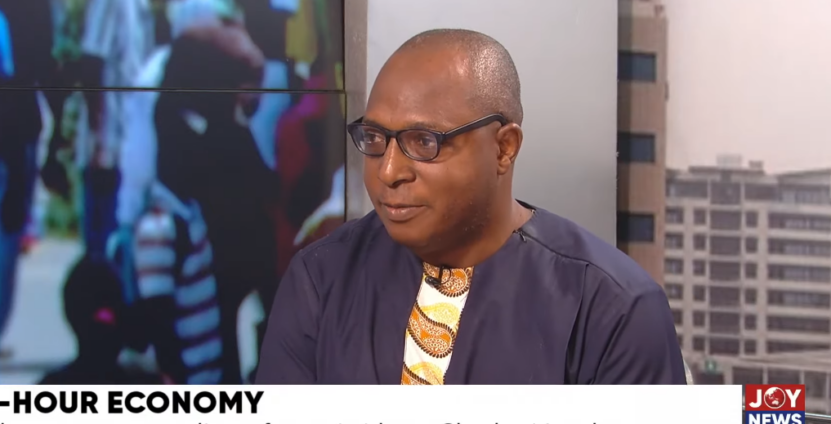
Senior lecturer at the Department of Finance at the University of Cape Coast (UCC) says the 24-hour economy is feasible in Ghana.
Dr Seyram Kawor says that numerous companies operate 24 hours, utilizing shift systems, but the level of engagement from the workforce in these operations is relatively low.
Speaking on the AM Show, he mentioned that security concerns have led some filling stations to cease night operations.
Proposing a transition to a 24-hour economy, he believes it would encourage broader participation to enhance security in these areas.
“Some of the filling stations or fuel distribution companies stop whatever they do. The transportation has been thwarted at a point in time because of security issues. Going into a 24-hour economy will make everybody come on board to enhance security in the system,” he said on Monday, November 27.
The lecturer expressed concern about implementation challenges, emphasizing the need to avoid rushing the project. According to him, a rushed approach could hinder the country's progress.
“We do not have to rush this particular project. If we rush it as we have done for previous policies, then we are going to be where we are again.”
He asserted we need a strong stakeholder policy and engagement to bring everybody on board, especially the industry players and agrees that it is the private sector that will lead the 24-hour economy.
“The private sector is the one that is going to lead the 24-hour economy, not the public sector. The public sector is just to create the enabling environment.”
Dr Kawor also emphasized the importance of protecting labor rights, clarifying that it's not solely about the availability of jobs but ensuring fair wages and conditions.
The idea is to avoid a situation where individuals are compelled to accept low pay by arguing that if one refuses, someone else will take the job at lower wages.
“We need to protect labour. The jobs are there so if you cannot do it, somebody will come and do it and so this is the amount of money we are going to pay. We must factor it into a new policy so that once we do that, it’s going to make sure we close all the loopholes so that everyone feels comfortable in coming on board.”
He also added that family life may be disrupted and therefore policies must be put in place to address such issues
“Daddy is going to work at night, mummy is going to be home. If you’re a single parents, what systems are in place for you to keep your child during that particular child so it’s a holistic issue we need to look at.”
“We cannot say it’s not possible. It’s very possible as it is done in some other areas and in Ghana we can equally do that.”
Latest Stories
-
Catholic Bishops say moral values must match economic priorities in Anti-LGBTQ+ debate
19 minutes -
IGP Yohuno urges merit and hard work ahead of Police Academy exams
31 minutes -
Queendalyn Yurglee releases debut album ‘Clouds of Glory’
1 hour -
UDS moves to clear MPhil student wrongly linked to robbery case
1 hour -
Vodza Regatta 2026: Prof Audrey Gadzekpo rallies investors for coastal tourism growth
1 hour -
Introduction of 100 new Metro Mass buses won’t affect transport unions – GPRTU
1 hour -
Deputy Transport Minister backs Yellow Line traffic initiative
2 hours -
MTN Ashanti-Fest music concert set to hit Kumasi on Saturday
2 hours -
Authorities probe discovery of dead fish at Tema shipyard
2 hours -
Minority welcomes fuel tax cuts, demands accountability for GH¢1 levy
2 hours -
It remains a priority — Sam George on Anti-LGBTQ bill
2 hours -
Police arrest Nigerian national seen in viral videos wearing police uniforms
2 hours -
Free golf training empowers underprivileged girls in Accra
2 hours -
Why SIGA’s reset is not a market sin, but a national necessity
3 hours -
SIGA Directive: Beyond the theatre of institutional displacement
3 hours