


Audio By Carbonatix
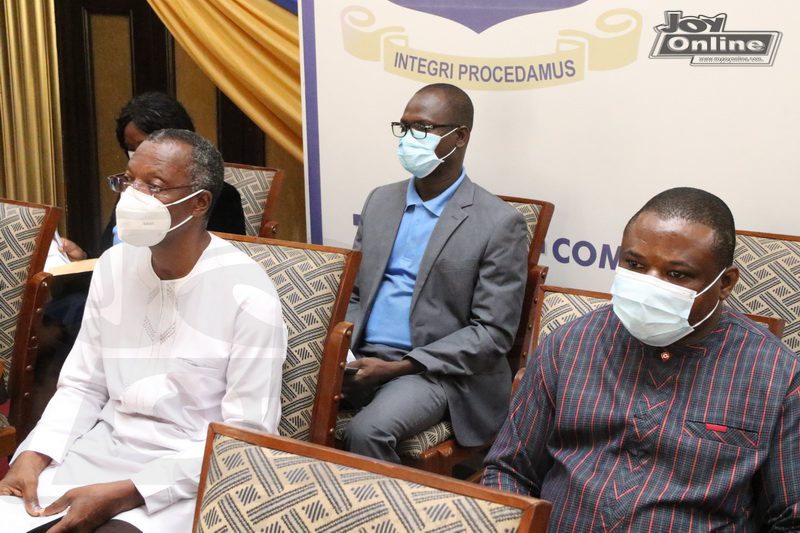
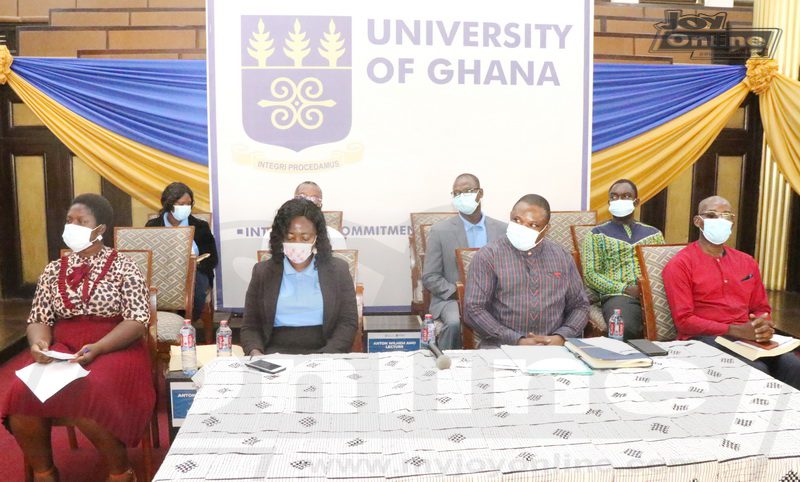
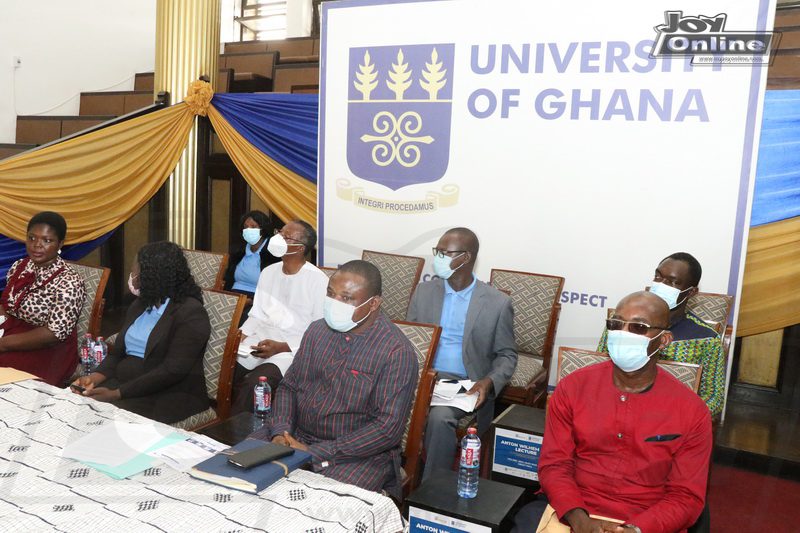
University of Ghana Laboratory Technologists and Technicians Association has been inaugurated at a ceremony in Accra.
The Association is aimed at contributing to building the capacities of the numerous laboratories in the country as well foster effective teaching, learning and research in the discipline.
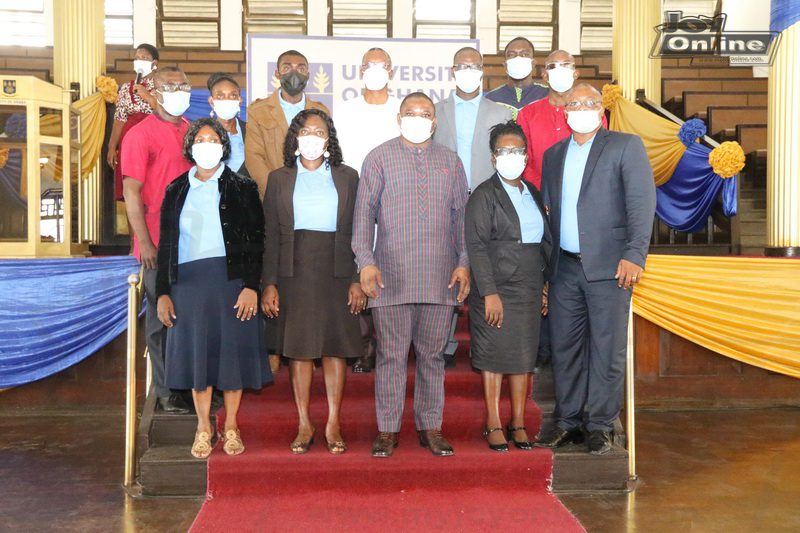
To achieve this noble objective, the leadership of the Association, since its establishment in 2019, has made efforts to help build the capacity of its members in the College of Health Sciences and College of Basic and Applied Sciences through workshops and seminars on laboratory quality management, ISO standards, the use and maintenance of various modern equipment, among others.
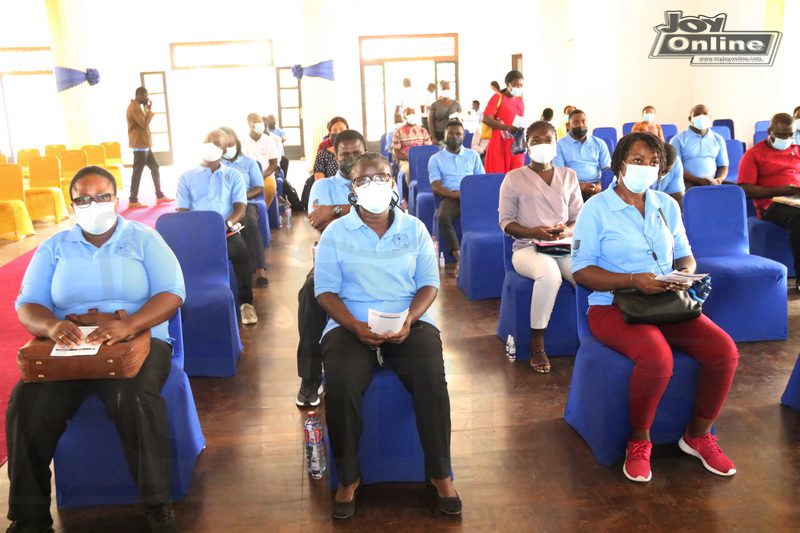
These trainings are the Association’s initial efforts towards strengthening the capacity of members in terms of providing laboratory services to the University and the public at large.
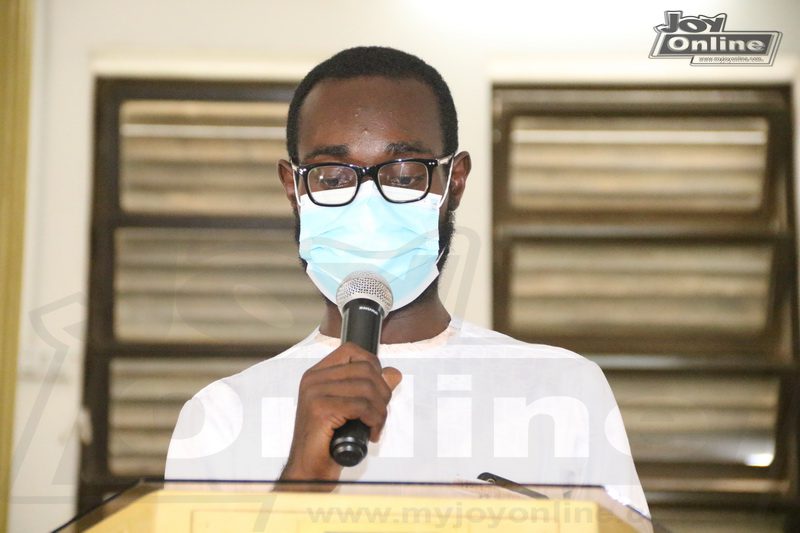
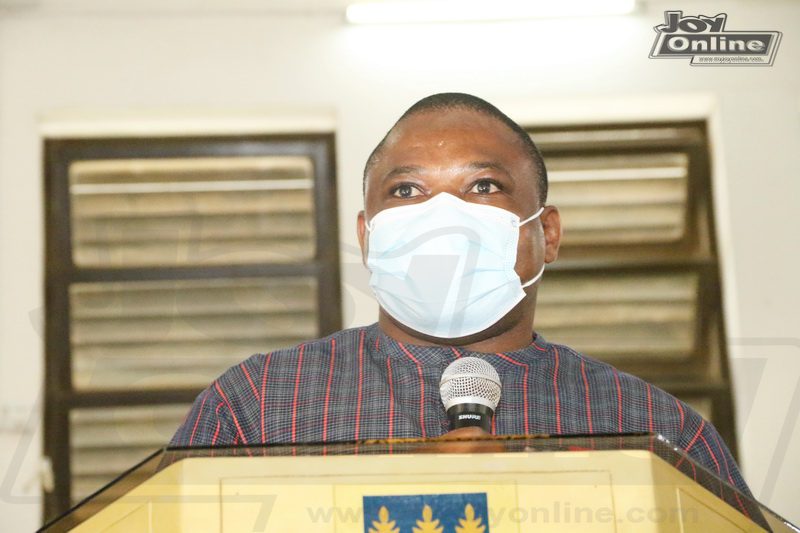
In her speech, the Chairperson of the Association, Mrs. Joyce Duah said it is an accepted fact that to progress and contribute significantly to the growth of institutions and nation as a whole, there is the need for collaboration among laboratorians of the departments within the University and beyond.
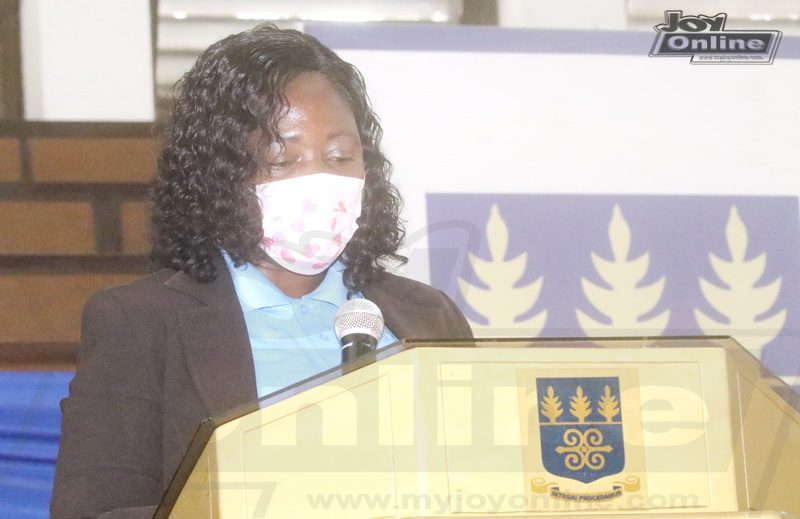
She said in today’s hi-tech world, coupled with the emergence of newer varieties of state-of-the-art equipment that become sophisticated by the day, a conscious effort should be made to train and upgrade this category of staff in the University to be abreast with best practices and to sharpen their skills and competencies.
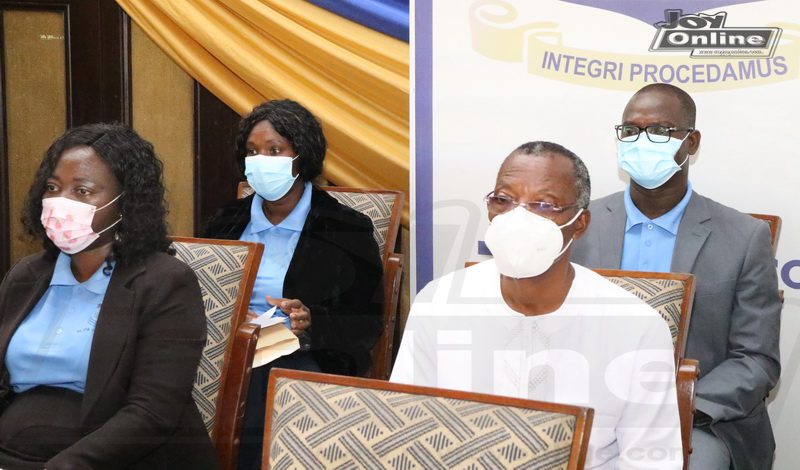
“It is therefore important for the University to make a paradigm shift in its current handling of the careers and terms of reference for its technical staff," Mrs. Joyce Duah stated.
Mrs. Duah stressed the need for members to be paid hazard allowance, which according to her is being pursued at the Fair Wages and Salaries Commission.
"We all know that there are some chemical, biological and physical sources of hazards that pose a wide range of health challenges for those who are exposed to these sources on a daily basis.
For instance, long-term exposure to chemical hazards such as silica dust (commonly used in desiccators found in every laboratory) has been shown to increase risk of heart disease, stroke and high blood pressure. Therefore, it is in order for personnel in the laboratory to be compensated for this risk.
We therefore urge management and the unions to work hard for government to accept to implement the excessive exposure to health hazard allowance," she noted.



Latest Stories
-
72 vessels, 17,336 fishing hours: The monitoring gap at Ghana’s first Marine Protected Area
1 hour -
Ansa-Asare questions rush to lower presidential age to 30
1 hour -
Minority challenges claim all 431 government-sponsored World Cup travellers have returned
2 hours -
No evidence linking government, NDC members to cocaine probe – Kwakye Ofosu
2 hours -
Minority demands full breakdown of GH¢58.9m spent on Ghana’s World Cup participation
2 hours -
Police arrest seven suspected armed robbers over series of robberies
2 hours -
Stay away from negative peer influences – MP warns SHS students
2 hours -
Mahama to commission Agbogbloshie waste evacuation to Nsawam landfill today
2 hours -
Kwadaso NDC supporters demonstrate to demand removal of MCE
2 hours -
GSA records 18% revenue growth in 2025
2 hours -
2027 Budget to target nine sectors to create jobs – Mahama
2 hours -
GMC exploring partnership for concession at Takoradi Port – Deputy MD
2 hours -
I’ll strengthen NDC structures, promote unity and build future-ready party – Oppong-Fosu
2 hours -
Mahama briefed on recent narcotic trafficking cases
3 hours -
Accra-Kumasi Expressway procurement underway – Mahama
3 hours