

Audio By Carbonatix
The Ghana Association of Banks is optimistic lending rates will come down before the end of 2022.
This is line with the Bank of Ghana’s forecast that inflation which is one of the key determinants of interest rates will dip in the next couple of months.
Inflation surged to 23.6% in April 2022, forcing the Bank of Ghana to adjust its key lending rate to 19%. This is expected to help mop up excess liquidity from circulation and control inflation.
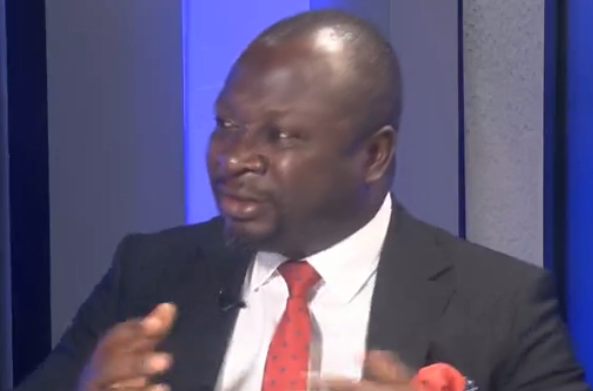
Speaking to Joy Business, Chief Executive of the Ghana Association of Banks, John Awuah, said the current hike in interest rates is an interim one and will thus be short-lived.
“The present situation [rising interest rates] is for the short term. We all know what is happening in the global economy.”
“We also believe that most of the inflation rates that have pushed the rates to where they are now are imported inflation; and circumstances around the world, supply chain constraints, tapering off”, Mr. Awuah pointed out.
He further said “we envisage a gradual decline in inflation which should positively impact lending rates. So we have every cause to believe that it is temporary though it is a concern”.
“It is for the short term but we believe that by next year, we should not be trending at the rate at which we are now”, Mr. Awuah added.
Banks cannot be blamed for rising interest rates
The Ghana Association of Banks also shot down suggestions to regulate the exchange rate regime in the country.
The Association of Ghana Industries in a recent reaction to high interest rates hinted that it will meet the Bank of Ghana to intervene in the market by engaging banks to reduce their cost of credit to the private sector.
But in response to suggestions by industry to bring in some control, John Awuah maintained that such a move will be counter-productive.
“Treasury bills in January or February this year was at 12%. As we speak it is at 21%. The Ghana Reference Rate which is a combination of policy rate, the interbank lending rate and the Treasury bills rate was 13.9% in January this year. But it is presently at 20.8%."
"So it’s not a matter of the banks, it is the fundamentals that are driving the rates that we are seeing now”, Mr. Awuah pointed out.
Latest Stories
-
‘Jesus was accused; he kept quiet’ – Afenyo-Markin softens stance on legal action against Gyamfi
6 minutes -
NSMQ 2026: Accra High steals one-eighth ticket from Sunyani SHS in stunning final-round twist
7 minutes -
Kejelcha breaks men’s half marathon world record by 29 seconds
7 minutes -
Nkoko Nkitinkiti programme has failed – Afenyo-Markin claims
33 minutes -
NDC yet to deliver key 2024 campaign promises – Afenyo-Markin
36 minutes -
Adamus welcomes 12-month roadmap to revive mine, restore investor confidence
2 hours -
T-bills: Government records 162% oversubscription, interest rates slump
2 hours -
UPSA moves to turn student research into market-ready solutions
2 hours -
Presby SHS, Suhum honour late coordinator with dominant One-Eighth qualification
2 hours -
NDC Volta team tracks development projects across four districts
2 hours -
NSMQ 2026: St. Monica’s SHS snatch one-eighth ticket from Amenfiman SHS in dramatic showdown
2 hours -
Why celebrate $2.62bn FDI while losing $1.7bn under the Domestic Gold Programme? IERPP asks
2 hours -
COKA urges NPP executives to return to party’s core values ahead of 2028
3 hours -
NSMQ 2026: Nsutaman stages comeback against Serwaa Nyarko Girls, Hope College to book One-Eighth spot
3 hours -
NSMQ 2026: Fafraha Community SHS defy odds to secure one-eighth spot
3 hours