

Audio By Carbonatix
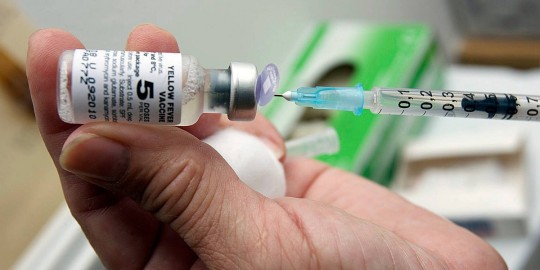
Pfizer, one of the world’s premier innovative biopharmaceutical companies, has in concert with partners, earmarked World Immunization Week 2023 as the beginning of a year-long global campaign to vaccinate millions of children and return to pre-corona virus pandemic vaccination levels.
World Immunization Week is celebrated in the last week of April each year (24 to 30 April for the 2023 edition), to highlight the collective actions needed to protect people from vaccine-preventable diseases.
This year’s celebration is on the theme; “The Big Catch-up.”
According to Pfizer in a statement outlining the year-long focus, this year’s campaign comes at a critical turning point for immunization following over two years of immunization backsliding caused by COVID-19 pandemic disruptions.
It is therefore imperative to catch-up, restore and strengthen immunization services to reach the millions of people missing out on the life-saving benefits of vaccines and stop outbreaks from accelerating.
Vaccines protect against more than 20 diseases like measles, diphtheria, HPV and polio, and while the diseases can affect anyone regardless of age, the WHO estimates that over 25 million children missed at least one vaccination in 2021 alone.
According to the WHO, vaccination levels also “decreased in over 100 countries, leading to rising outbreaks of measles, diphtheria, polio and yellow fever.”
“Every year during World Immunization Week Pfizer takes the time to celebrate the impact of vaccines, and this year is no exception even in the midst of heightened concern and apprehension around the status of vaccination programs around the world,” said the statement by Pfizer.
The statement quotes Pfizer’s Medical Director for Sub-Saharan Africa, Kodjo Soroh as saying Pfizer has a long history in vaccine research and development, including a pivotal role in the eradication of polio and smallpox, and that through the development of innovative delivery systems and technologies the company has created innovations for preventing deadly bacterial infections.
“Vaccines underpin our global health security by preventing and controlling over 30 infectious diseases, reducing unnecessary hospitalizations and controlling infectious disease outbreaks. We should not forget that they are one of the world’s most powerful and cost-effective public health tools available and have successfully helped to eradicate, eliminate, and manage many deadly infectious diseases. Smallpox has been eradicated and polio is nearly gone. Cervical cancer could become the first cancer to be eliminated.”
“Vaccines also play a critical role in combatting antimicrobial resistance: they can reduce antibiotic use by preventing bacterial infections in the first place, such as with the pneumococcal and meningococcal vaccines, and can also prevent viral infections such as flu, which can provoke secondary infections requiring antibiotics.”
“Today, more than at any time in history, people are benefiting from safe and effective vaccines to prevent infections and diseases. These injections have protected people of all ages, from newborns to seniors.”
He says however that the work is far from done as many viruses and bacteria still present a serious health risk, and so the need to continue to focus on research and development in new areas, with the goal of adding more approved vaccines to tackle pathogens.
“By getting vaccinated, you can protect yourself and also avoid spreading preventable diseases to other people in your community. Some people cannot get certain vaccines because they are too young or too old or they have a weakened immune system or other serious health condition. Those people are less likely to catch a preventable disease when you and others around them are vaccinated against it. Help protect yourself and the people you love by staying up to date on recommended vaccinations.”
Latest Stories
-
Adom FM Y2K Jam delivers a night of music, fashion and nostalgia
27 minutes -
Lawrence Kobena Nsarko Otoo, Esq
1 hour -
Bel-Aqua intensifies mental well-being campaign ahead of 15th anniversary
2 hours -
From banking to party finances: Alfred Kwadwo Thompson elected NPP Treasurer
2 hours -
George Christian Papa Mends
2 hours -
Ali Suraj elected NPP NASARA Coordinator
2 hours -
Mustapha Hamid misses out on NPP Vice Chairmanship by 31 votes despite early poll lead
2 hours -
Kojo Bamba, Henry Nana Boakye and Nana Akomea elected NPP Vice Chairmen
3 hours -
From Delta Force to NPP First Vice Chairman – Kojo Bamba’s political journey
3 hours -
Police restore calm at Larteh following Odwira festival disturbance
4 hours -
‘All the camps will dissolve’ – Bawumia demands one NPP for 2028
4 hours -
There is no time to waste – Bawumia orders NPP to begin 2028 work
4 hours -
Sarkodie visits MobileMoney Fintech LTD
4 hours -
John Boadu unveils new NPP strategy to win back youth and modernise party
4 hours -
Hawa Koomson elected NPP National Women’s Organiser
4 hours