


Audio By Carbonatix
A senior lecturer at the Kwame Nkrumah University of Science and Technology (KNUST) says Ghana needs a good medical intervention for hemophilia (bleeding disorder).
Dr Vivian Painstil, speaking about the disorder, said many including health workers did not have adequate knowledge on phenomenon.
The lecturer at the Department of Child Health speaking via a zoom call organised by Pfizer on Thursday, April 13, to commemorate World Hemophilia Day, which is celebrated on April 17 said more awareness is needs on the disorder and its care mechanisms.
The Senior Specialist Paediatrician at the Komfo Anokye Teaching Hospital (KATH) in Kumasi is concerned about the nonchalance from the government with regards to putting the necessary infrastructure in place and providing the needed logistical support in the country.
“The burden people living with hemophilia B face is significant, with many receiving routine infusions or injections which can interfere with their ability to take part in day-to-day activities that many take for granted,” she said.
According to her, the World Hemophilia Federation has shown commitment in providing support in terms of drugs and diagnostic equipment for people living with hemophilia.
She wants health facilities across the country to be provided with the adequate drugs and diagnostic equipment so they can give comprehensive care support for patients.
Dr Paintsil noted that Teaching Hospitals and some selected regional hospitals providing support for hemophilia patients in the country is not enough.
She also expressed the concern that due to poverty, many of the patients suffering from hemophilia were unable to access health care.
In addition, she noted, some socio-cultural practices also prevented people suffering from the condition from seeking early medical intervention.
According to her, some people with the condition blame it on witchcraft or curses, hence seeking care from spiritual leaders instead of going to the hospitals for proper diagnosis and care.
Dr Paintsil said currently, 309 patients had been registered by the Ghana Hemophilia Society, stressing that there were about 1500 cases yet to be diagnosed.
The senior lecturer said bleeding disorders could easily lead to death, hence their care culture ought to be prioritised.
Pfizer support
In reinforcing its longstanding commitment to haemophilia awareness while driving home the need for innovation in access to haemophilia treatments, Pfizer held a media round table to commemorate World Hemophilia Day.
Pfizer’s goal to make sure patients living with haemophilia are seen, heard, and never forgotten as it continues to work tirelessly to find breakthrough solutions and therapeutic options to change their lives was reiterated at the media roundtable.
Kodjo Soroh, Medical Director, Sub-Saharan Africa, Pfizer commented, “Pfizer’s efforts at advancing treatment for haemophilia and bridging gaps in access to care resonates with this year’s theme of World Hemophilia Day’s (WHD) Access For All: Prevention of Bleeds.
“Pfizer’s commitment to equity and continued investment in haemophilia is evident in its more than 30 years of experience in developing therapies for haematological disorders as it has a deep understanding of the significant challenges that people living with haemophilia continually face.
“Therefore, we will continue to amplify and celebrate the work of the global haemophilia community as we create awareness of the need for innovation in access to haemophilia treatments.”
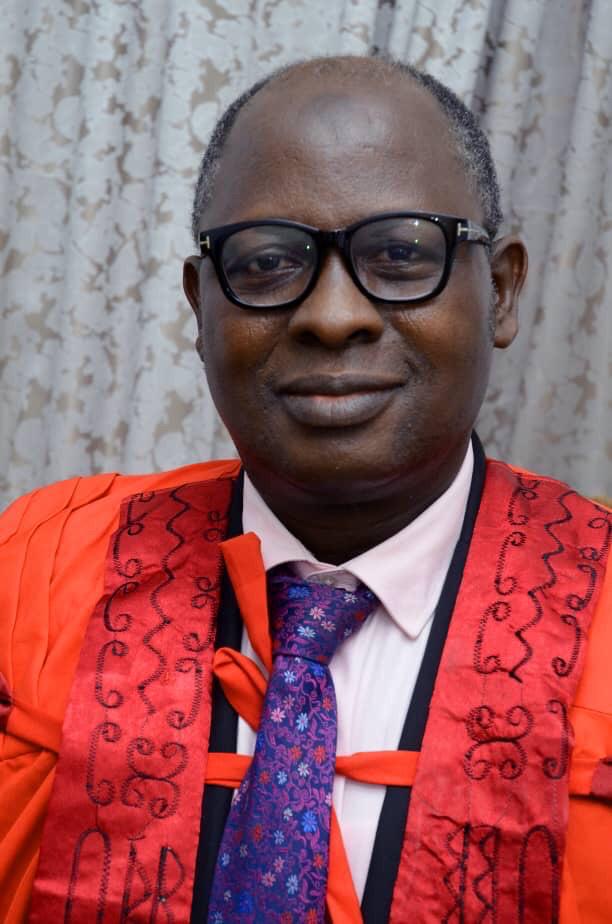
On his part, Prof. Akanmu Sulaimon, Professor of Hematology and Blood Transfusion at the University of Lagos said, “Hemophilia, a rare genetic bleeding disorder that causes the blood to take a long time to clot because of a deficiency in one of several blood clotting factors, is almost exclusively found in males.
“People with haemophilia are at risk for excessive and recurrent bleeding from modest injuries, which have the potential to be life-threatening. People with severe haemophilia often bleed spontaneously into their muscles or joints, rarely into critical closed spaces such as the intracranial space, where bleeding can be fatal.
“According to the World Federation of Hemophilia, an international not-for-profit organization, more than 38,000 people worldwide were living with haemophilia B in 2021. WFH works closely in partnership with haemophilia treatment centres (HTCs) in 29 African countries to share knowledge and build global awareness through information exchange, education, and training.
“WFH also provides ∼24 million units of CFCs annually to patients in sub-Saharan Africa through a humanitarian aid program. Pfizer is a visionary partner of the World Federation of Hemophilia for WHD.”
Latest Stories
-
Lawrence Kobena Nsarko Otoo, Esq
33 minutes -
Bel-Aqua intensifies mental well-being campaign ahead of 15th anniversary
36 minutes -
From banking to party finances: Alfred Kwadwo Thompson elected NPP Treasurer
41 minutes -
George Christian Papa Mends
46 minutes -
Ali Suraj elected NPP NASARA Coordinator
57 minutes -
Mustapha Hamid misses out on NPP Vice Chairmanship by 31 votes despite early poll lead
1 hour -
Kojo Bamba, Henry Nana Boakye and Nana Akomea elected NPP Vice Chairmen
2 hours -
From Delta Force to NPP First Vice Chairman – Kojo Bamba’s political journey
2 hours -
Police restore calm at Larteh following Odwira festival disturbance
3 hours -
‘All the camps will dissolve’ – Bawumia demands one NPP for 2028
3 hours -
There is no time to waste – Bawumia orders NPP to begin 2028 work
3 hours -
Sarkodie visits MobileMoney Fintech LTD
3 hours -
John Boadu unveils new NPP strategy to win back youth and modernise party
3 hours -
Hawa Koomson elected NPP National Women’s Organiser
3 hours -
John Boadu begins NPP rebuild from grassroots ahead of 2028 election
3 hours