

Audio By Carbonatix
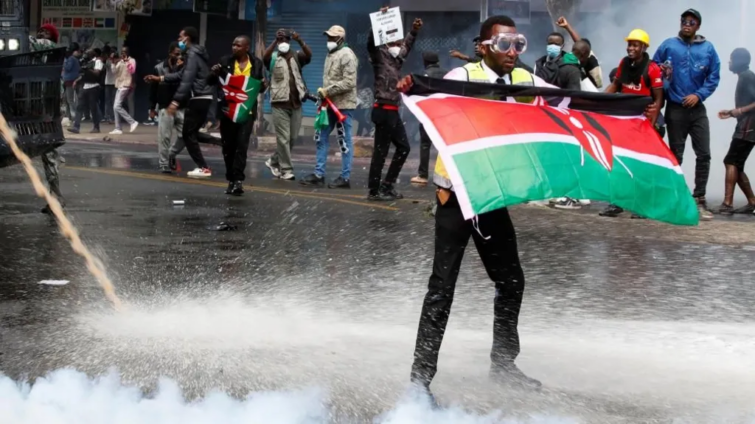
Protests over an unpopular finance bill have led to the deaths of at least five people in Kenya, with part of the parliament building set alight.
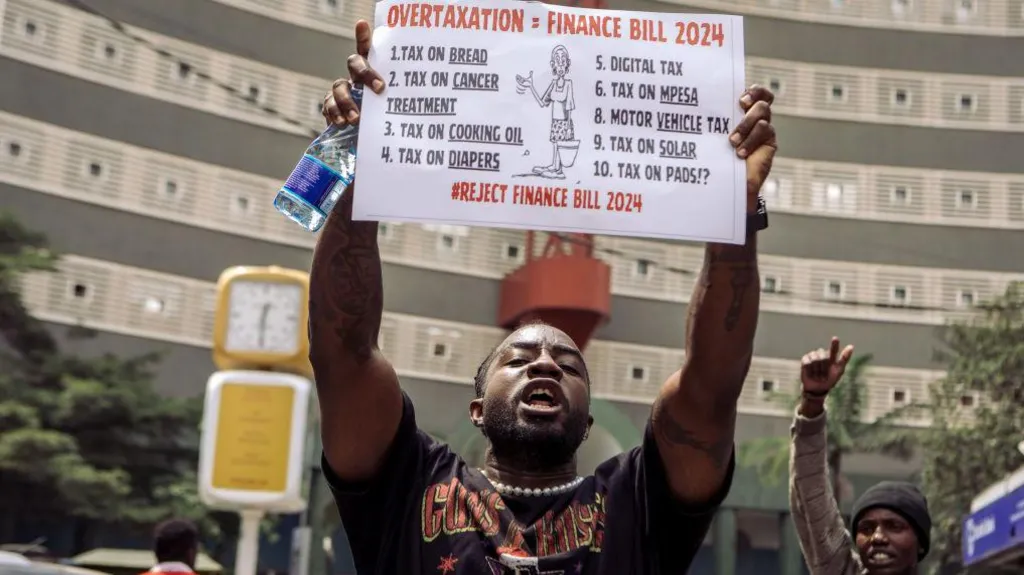
Protesters say the bill would impose unaffordable tax rises on ordinary citizens and businesses already weighed down by the high cost of living.
Police fired live rounds at protesters on Tuesday, leading to several deaths and hundreds of injuries.
The government has dropped some of the contentious proposals but protestors want the entire bill scrapped.
What did the orginal bill propose?
- Taxes on basic items
The bill initially proposed to introduce a 16% sales tax on bread and 25% duty on cooking oil.
There was also a planned increase in the tax on financial transactions as well as a new annual tax on vehicle ownership amounting to 2.5% of the value of the vehicle.
In response to public opposition, the government said it would drop these measures.
- The eco levy
A charge on products that contribute to waste and harm the environment was another key provision of the bill that the government has now suggested amendments to.
Critics pointed out that it would lead to the increase in the cost of essential items such as sanitary pads. They said many girls already unable to afford these products often miss school during their periods.
Babies' nappies would also be affected.
The government then said the levy would apply only to imported products.
The eco levy was also aimed at digital products, including mobile phones, cameras and recording equipment. But many Kenyans say they rely on these products, essential to the digital economy, for their livelihoods.
What are some of the measures that remain untouched?
- Tax on specialised hospitals
The finance bill introduces a 16% tax on goods and services for the direct and exclusive use in the construction and equipping of specialised hospitals with a minimum bed capacity of 50.
Many Kenyans worry that this could mean higher healthcare costs.
The chairman of the parliamentary finance committee, Kuria Kimani, has called claims that the bill would tax cancer patients "falsehoods".
- Higher import fees
The bill proposes to increase the rate of import taxes from 2.5% to 3% of the value of the item, to be paid by the importer.
The rise comes just a year after the rate was reduced from 3.5% to 2.5%. Protesters say the changes would lead to higher prices for imported products.
Getty Images
Why did the protests escalate?
On Tuesday, MPs passed the controversial bill, although without some of the most contentious measures.
Protesters broke through police lines to storm the parliament building, setting a section of it on fire.
Police officers opened fire with live ammunition, killing at least five people. A BBC reporter at the scene reported seeing dead bodies in the street.
Western countries have expressed concern at the violence and urged calm.
President William Ruto had previously promised to address protesters' concerns.
Why are protesters still angry?
Although the government has dropped some of the proposals, some remain, including the higher import tax.
But concerns are deeper than this bill. Exasperated Kenyans are angry at a government they long thought does not take their concerns into consideration.
- Why Kenya's president wants people to love the taxman
- Kenya protests: I feel betrayed by William Ruto
Demonstrators have not been convinced by Mr Ruto's argument that compared to other African countries, Kenyan taxes are relatively low.
A finance law last year, which also introduced a slew of unpopular taxes, was met with protests at the time.
What happens next?
Now that the bill has been passed, the president can either sign it into law within 14 days or send it back to parliament with a proposal for further amendments.
The government could also opt for other measures in a bid to defuse the pressure, including deferring the bill, although this is unlikely.
Latest Stories
-
Bellingham scores as Mourinho’s Real win again
6 minutes -
Tech trouble leaves Chelsea game ref without comms
14 minutes -
Wife of man who died after turbulence sues airline
25 minutes -
Russia says it helped to repel Niger attempted coup
34 minutes -
Michail Antonio helps young Ghanaians chase Premier League dreams
2 hours -
Zambian opposition leader charged with treason
2 hours -
Iceland votes against restarting EU membership talks
2 hours -
WhatsApp chat used to launder cash for crime and extremism
3 hours -
US judge blocks Pentagon’s Anthropic blacklisting
3 hours -
Tinubu files case in US court to block release of alleged drug trafficking record – Lawyer
3 hours -
‘Powder Guy’ denies $32,000 visa fraud charges
3 hours -
Two suspects arrested over lynching at Daboya
3 hours -
Mobile phones contributing to Christians’ spiritual decline – Bishop Patu
4 hours -
Government to develop 150-acre air cargo hub at Tamale Airport – Goosie Tanoh
4 hours -
Stronger GRA digital systems needed at ports – IEAG
4 hours