

Audio By Carbonatix
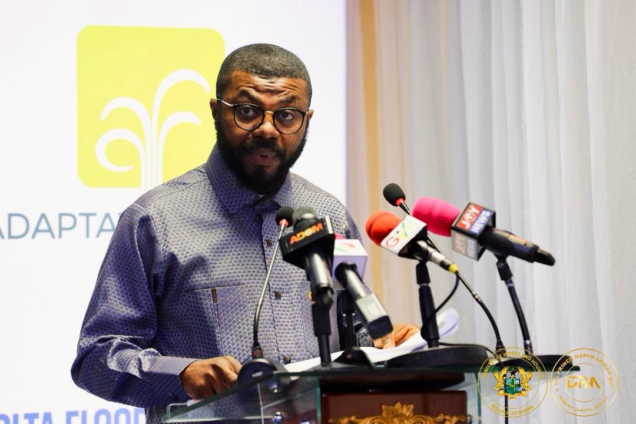
The Deputy Minister for Works and Housing, Dr Prince Hamid Armah, has emphasised the critical importance of early warning systems in climate change adaptation and resilience.
Addressing the closing ceremony of the Volta Flood and Drought Management (VFDM) Project on Friday, June 21, he highlighted the transformative potential of these systems in safeguarding communities against the escalating impacts of climate-related disasters.
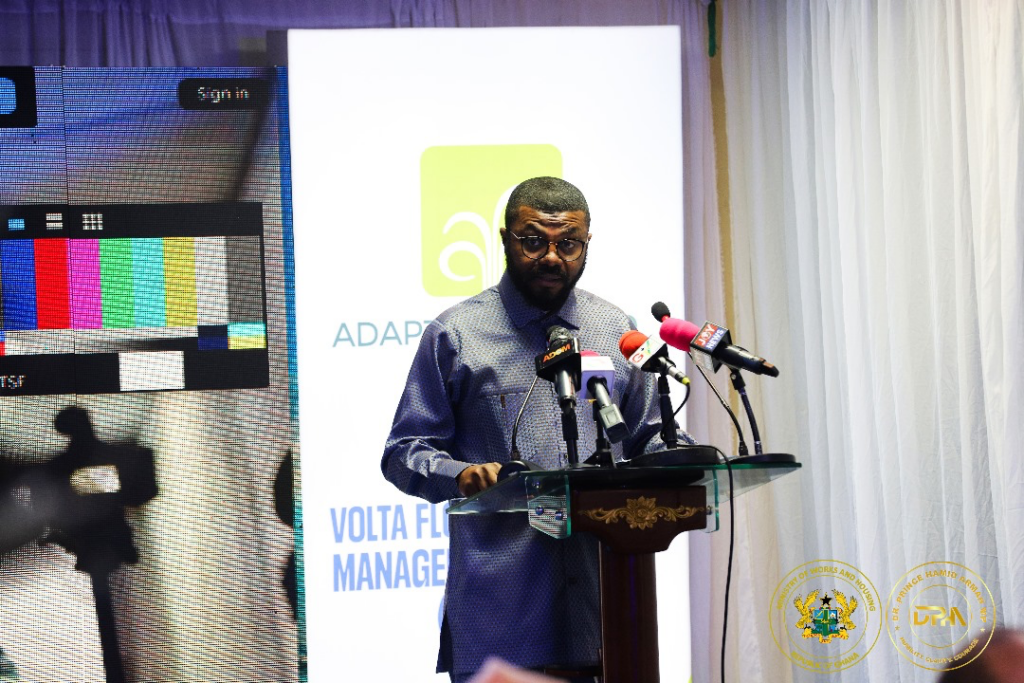
"Early warning systems are not just technological advancements; they are lifelines for communities facing the brunt of climate change," Dr Armah stated.
He acknowledged the proactive efforts of organisations such as the World Meteorological Organisation (WMO), Volta Basin Authority (VBA), Ghana Meteorological Agency (GMet), and others in disaster risk management, recognizing their pivotal role in flood and drought prediction.
The Deputy Minister cited the Secretary-General of the United Nations, who has prioritised comprehensive early warning systems by 2027, with a special focus on Africa.
This initiative aims to protect vulnerable communities from the devastating effects of extreme weather events.
Dr Armah emphasised that early warning systems provide timely, accurate, and reliable information, transforming uncertainty into actionable intelligence.
"In the face of increasing climate-related challenges, early warnings are indispensable tools for minimizing the adverse impacts on lives, livelihoods, infrastructure, and ecosystems," he remarked.
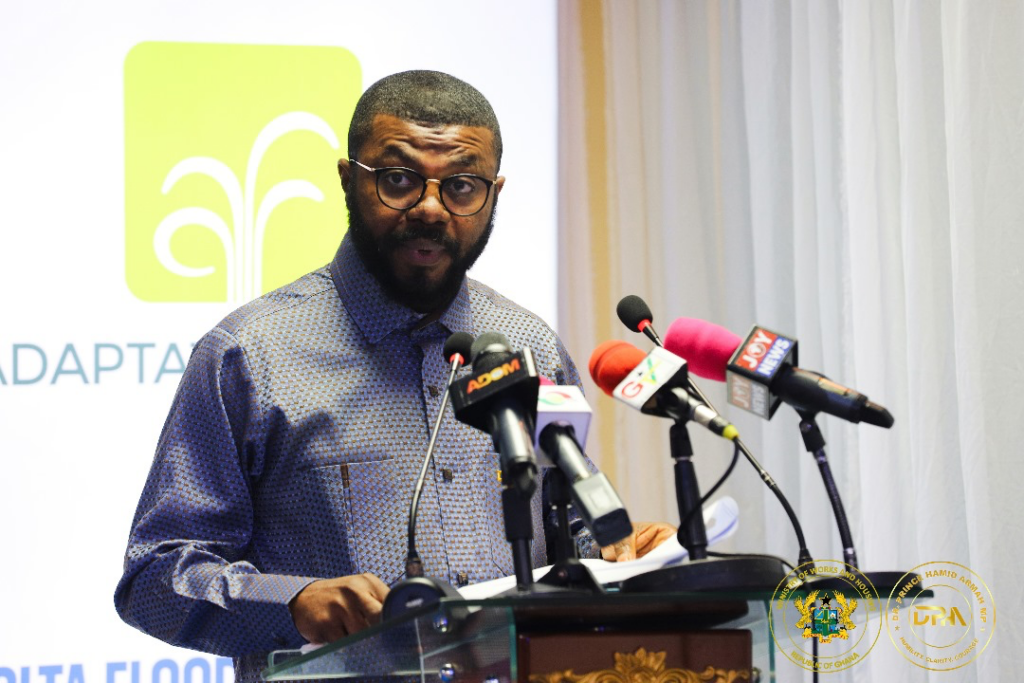
One of the significant achievements highlighted was the development and operationalisation of the “MyDewetra Volta Alarm System” during the VFDM Project. This system is designed to reduce vulnerabilities and enhance the adaptive capacities of communities in the Volta Basin countries, representing a significant step towards climate resilience.
Dr. Armah also highlighted the global efforts led by the WMO and its partners under the "Early Warning for All (EW4All) in Africa" Action Plan.
This initiative seeks to strengthen collaboration, enhance policy advocacy, and secure commitments from beneficiary countries to build resilience.
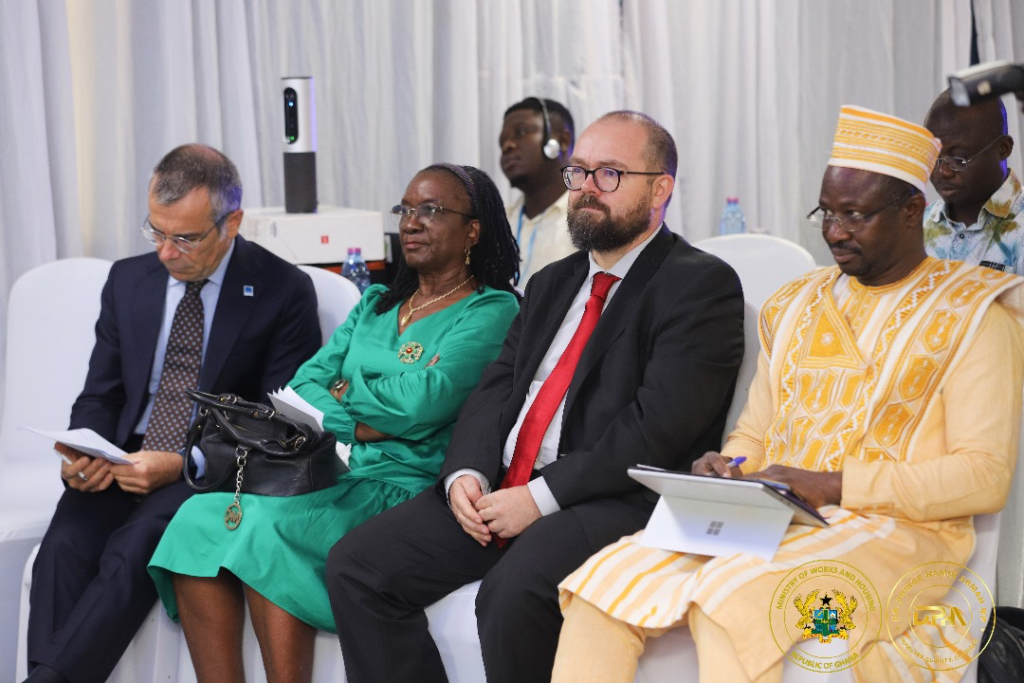
The Ghana government’s active contributions to reinforcing early warning systems were also spotlighted. Dr Armah noted the recruitment of 250 staff for GMet, with a commendable 30% female representation, the procurement of Automatic Weather Stations (AWS), Calibration Equipment, a Message Switching System, and vehicles to enhance GMet's operational efficiency.
Additionally, the enactment of the Ghana Hydrological Authority Act, 2022, was highlighted as a crucial step in protecting lives and livelihoods.
The government’s collaboration with GMet, the Water Resources Commission (WRC), and the National Disaster Management Organization (NADMO) in implementing the Flood Early Warning System for the Greater Accra Region (FEWS-Accra) under the World Bank-funded Greater Accra Resilient and Integrated Development (GARID) Project was also emphasised.
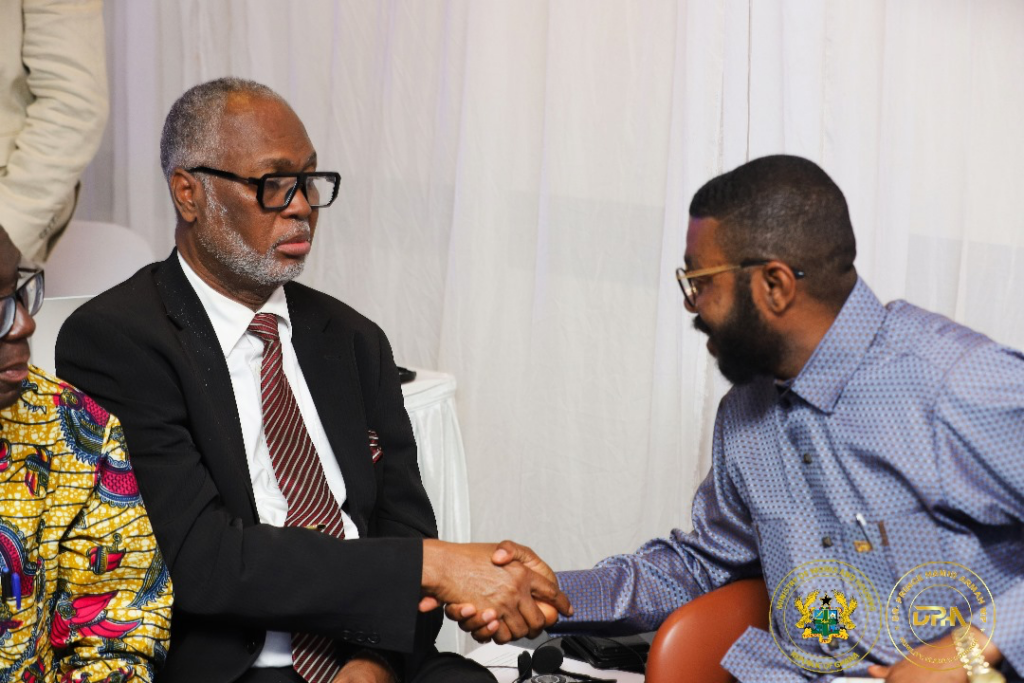
This system is intended to be expanded nationwide, aligning with the "Early Warning for All (EW4All) in Africa" Action Plan.
In his closing remarks, Dr. Armah expressed gratitude for the financial support from the Adaptation Fund and the leadership of the WMO, Volta Basin Authority, and Global Water Partnership (GWP) during the project.
He called for continued strategic collaboration, capacity building, and international cooperation to enhance global resilience against climate-induced challenges.
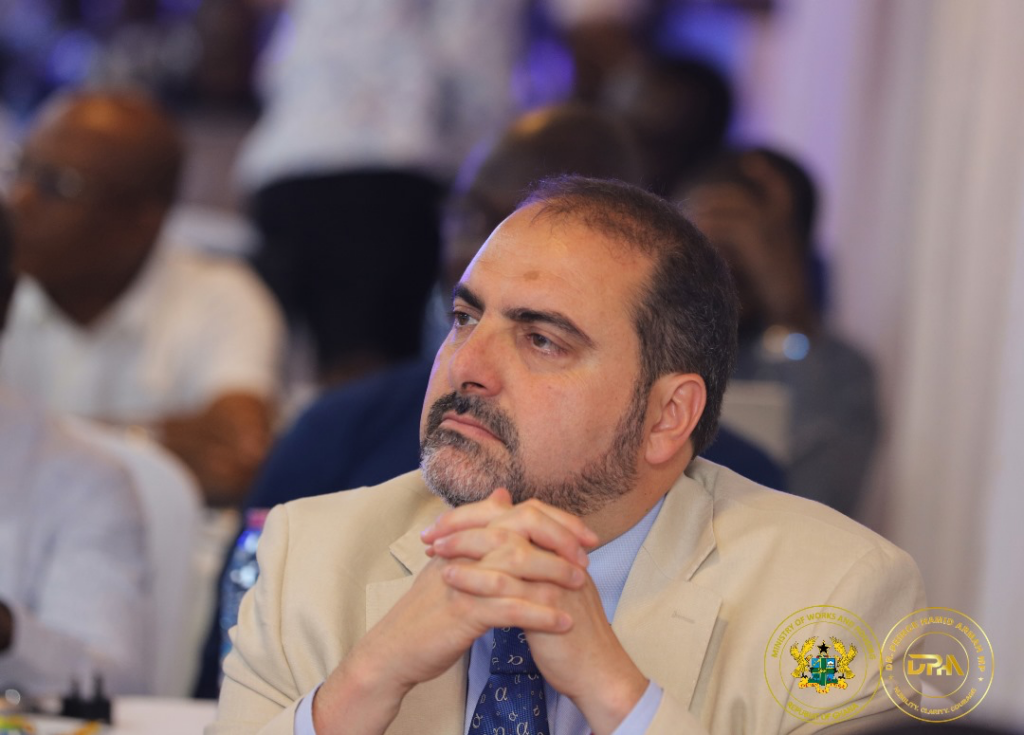
"The collective efforts of nations and organisations, exemplified by initiatives such as the 'MyDewetra Volta Alarm System' and 'Early Warning for All,' underscore our commitment to a more resilient and prepared sub-region," Dr Armah concluded.
"Through strategic collaboration, capacity building, and international cooperation, we can ensure that no one is left unprotected in the face of climate-induced challenges."
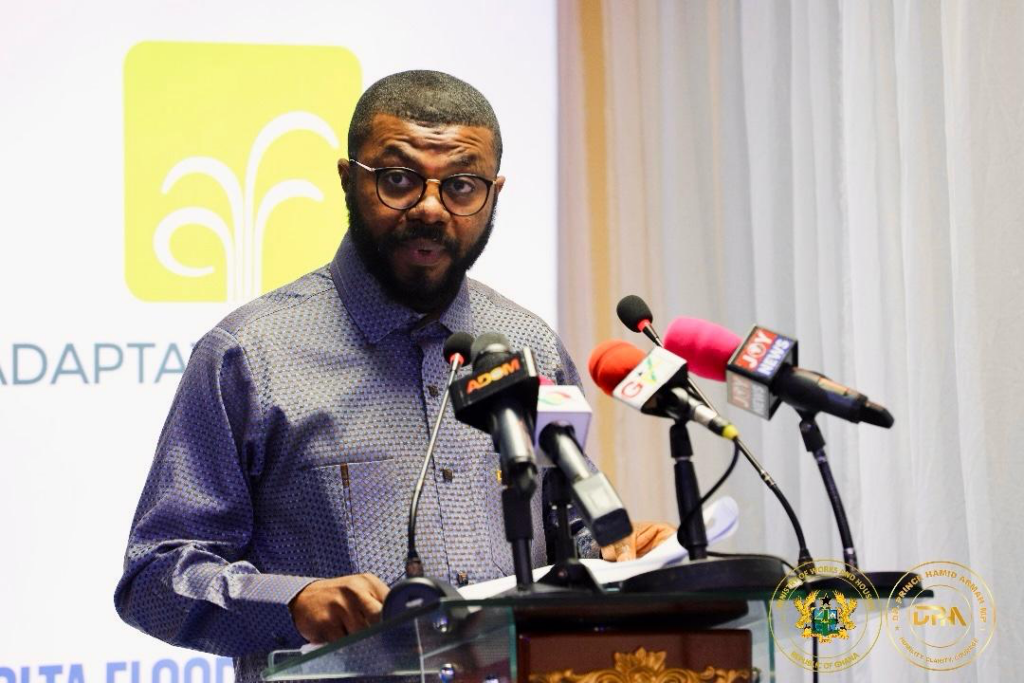
Dr Armah's address at the VFDM Project closing ceremony has set a clear path forward for Ghana's climate resilience efforts, inspiring all stakeholders to turn aspirations into actionable outcomes for a safer and more resilient future.
Latest Stories
-
Mobile Money Fintech LTD, UMB train hairdressers and beauticians
1 hour -
Asylum votes show people want help, says Kemi Badenoch
2 hours -
Badenoch welcomes expanded grooming gangs inquiry
2 hours -
GACL MD sues Samuel Buabeng over alleged Facebook defamation
2 hours -
Christa Pike in critical condition after surviving two lethal injections, lawyer says
2 hours -
Kemi Badenoch backs face covering ban at protest
3 hours -
Man City not ‘above the rules’, says No 10 after backlash to Burnham remarks
3 hours -
Real Madrid submit ‘substantial’ dossier in Barca payments case
3 hours -
Messi completes purchase of second Spanish club
3 hours -
Government must engage horticulturists on tomato crisis – GhIH
3 hours -
King Promise’s ‘Can’t Tame Us’ becomes official Chelsea anthem
3 hours -
Afenyo-Markin demands Baffour Awuah’s release from EOCO’s custody, end to alleged political intimidation
3 hours -
Rapper Rick Ross arrested on domestic violence charges
3 hours -
Minority demands security review of Ghana-Colombia visa waiver and port deals
4 hours -
Pursue drug kingpins, not persecute political opponents – Afenyo-Markin tells EOCO
4 hours