

Audio By Carbonatix
As heatwaves wreak havoc in several parts of the world, including Europe, North America, and Asia, Ghana faces an opportunity to learn from these climate-induced crises to better prepare for its own environmental challenges.
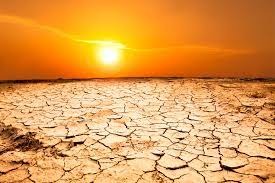
Global reports highlight the devastating impacts of heatwaves: loss of lives, strained health systems, and economic disruptions. Countries experiencing these extreme weather events are also witnessing their agricultural outputs plummet due to crop failures and water shortages. These conditions are direct results of climate change, a global issue to which Ghana is not immune.
Ghana, like many African nations, is vulnerable to increasing temperatures. The country has already experienced changes in its rainfall patterns and rising sea levels, which threaten agriculture, water resources, and coastal communities. Heatwaves in other parts of the world underline the urgent need for Ghana to adopt proactive measures to mitigate and adapt to climate change.
Health preparedness is a key lesson from the global heatwave crisis. Hospitals in countries affected by extreme heat have reported a surge in cases of heat exhaustion, dehydration, and heatstroke. Ghana's health sector must be equipped to manage similar risks, ensuring adequate training for healthcare workers and the availability of cooling centers in urban areas.
The heatwaves depict the importance of urban planning that considers climate resilience. Many cities abroad are increasing green spaces, adopting heat-reflective building materials, and implementing cooling systems in public spaces.
Ghana's rapidly urbanizing cities, like Accra and Kumasi, could benefit from similar initiatives to combat urban heat islands and improve living conditions for residents.
With heatwaves adversely affecting agriculture globally, Ghana must act to protect its farmers from similar threats. Developing drought-resistant crops, improving irrigation systems, and educating farmers on sustainable agricultural practices can help mitigate the impacts of rising temperatures.
Countries grappling with heatwaves are accelerating their transition to renewable energy to reduce greenhouse gas emissions. Ghana, with its abundant sunlight and untapped solar potential, has an opportunity to diversify its energy mix while addressing its climate commitments.
Global heatwaves remind us that climate change is a shared challenge. Ghana can collaborate with international partners to share knowledge, access funding, and implement policies that address climate risks.
Raising awareness among citizens about the consequences of climate change is equally essential. Encouraging practices like water conservation, waste reduction, and tree planting can make a significant difference.
As the world continues to grapple with the impacts of heatwaves, Ghana has the chance to learn and act decisively.
By investing in climate-resilient infrastructure, empowering communities, and embracing sustainable practices, the nation can safeguard its future against the escalating threats of climate change.
By observing and adapting to lessons from global heatwave experiences, Ghana can turn today’s challenges into opportunities for a sustainable tomorrow.
Latest Stories
-
29 Players to commence Black Starlets preparations ahead of 2026 WAFU U-17 Championship
10 minutes -
U-20 Women’s World Cup: Sampson demands response after ‘cheap’ goals cost Ghana
14 minutes -
Ghana had no budget for South Africa evacuation but had to act – Ablakwa
15 minutes -
Here’s the breakdown of the GH¢49.7m spent on evacuating Ghanaians from South Africa
22 minutes -
GIGS commends Armed Forces for Accra-Kumasi Expressway progress
23 minutes -
Ibrahim Mahama’s Engineers & Planners contributed GH¢16m as gov’t spent GH¢33.72m on SA evacuation
38 minutes -
Errand boy linked to murder of Dr Jesse Amuah, wife deported from Dubai
45 minutes -
New cost-sharing model for Digital TV broadcasters to take effect in 2027
1 hour -
Poor English, Maths performance shows Ghana’s literacy crisis – Dr Peter Anti
1 hour -
Xenophobic attacks: 1,964 Ghanaians evacuated from South Africa – Ablakwa
1 hour -
Ghana’s SIM registration history from 2010 to the new biometric verification system
2 hours -
Police arrest dozens, recover weapons in nationwide anti-robbery operations
2 hours -
Parents cautioned against fraudsters promising SHS placement changes
2 hours -
Selecting schools after results a backward approach – Abuakwa MP
2 hours -
Ransford-Yeboah Königsdörffer scores on emotional return as Mainz hammer Hamburg 5-0
2 hours