

Audio By Carbonatix
The lack of attention given to Non-Communicable Diseases (NCDs) is raising concerns among advocates and experts, who warn that it is a troubling trend.
They urge the government to focus more on addressing the issue to improve the lives of NCD patients.
“We are not doing much to address the issues of Non-Communicable Diseases," National Coordinator of Ghana NCD Alliance, Labram Musah told the media at a two-day training for People Living with NCDs in Ahafo Region.
While Mr. Musah acknowledged that there have been some interventions, such as free dialysis treatment, he expressed hope that the policy will continue to support those most vulnerable to renal conditions because it costs to treat the condition.
“It costs so much to treat people with Non-Communicable Diseases - same applies to cancers, sickle cells,” he stated.
Mr. Musah stated that the Ghana healthcare system faces significant challenges when it comes to NCDs. He explained that whenever a patient visits the hospital, they rarely receive full assurance of treatment due to the high costs involved.
“People have to dip their hands into their pockets, this is what we call catastrophic out-of-pocket payment and because of that, people do not go to the hospital.”
He mentioned that the situation is pushing some patients to turn to unapproved herbal treatments, which only worsen their conditions.
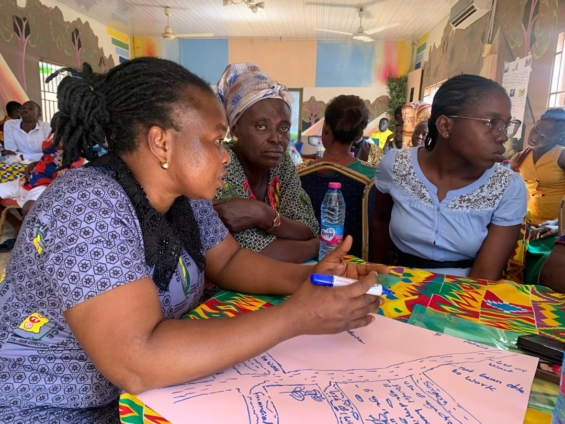
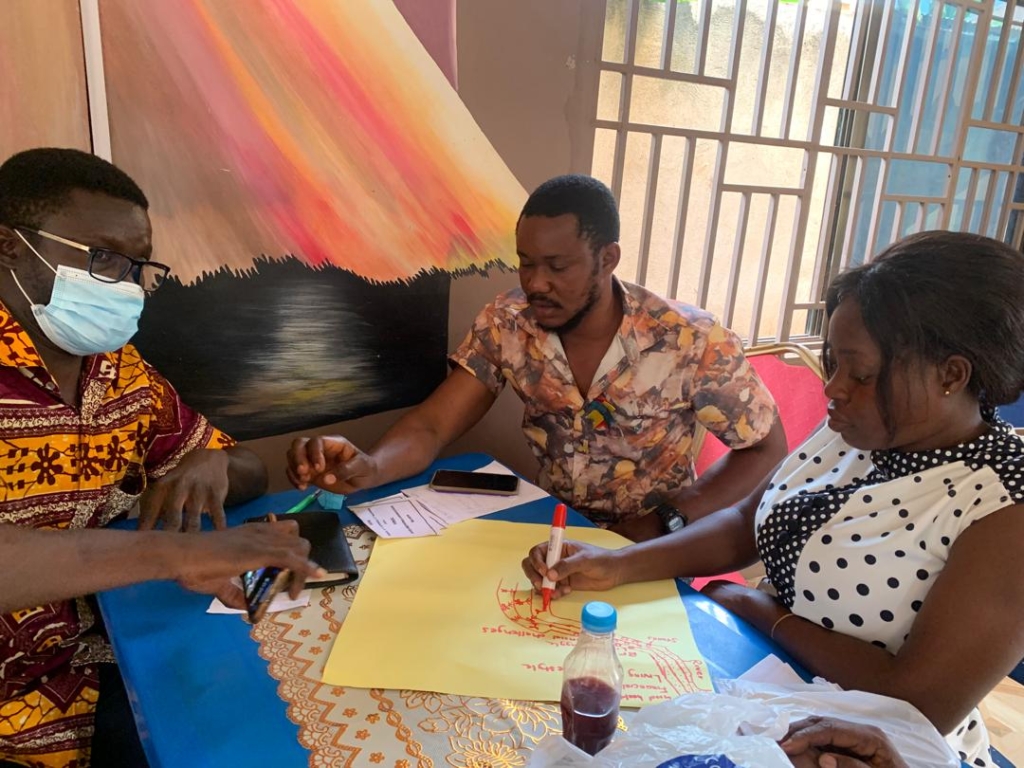
Our Views, Our Voice Training Workshop was organised by Ghana NCD Alliance in collaboration with ANAQ Foundation for Sickle Cell and Nutrition.
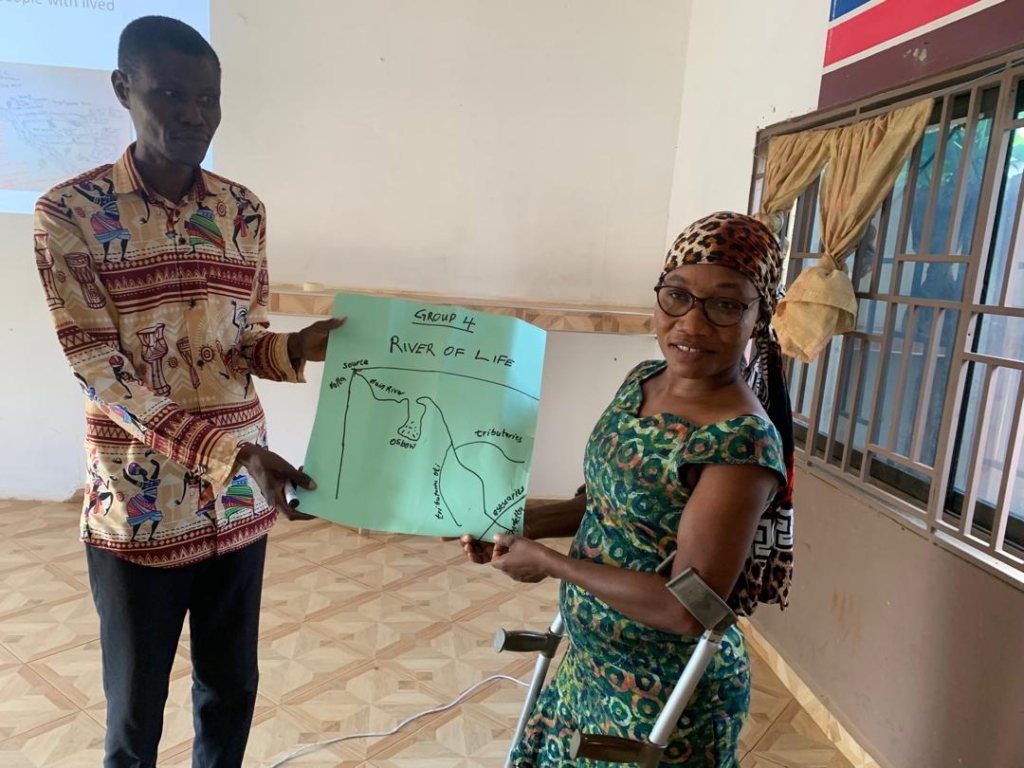
President and Founder of the Anaq Foundation, Ama Nyarko Attafuah Quainoo, emphasised the importance of amplifying the voices and perspectives of people living with NCDs. She explained that the workshop was organised to share their stories and inspire others who may have lost hope.
She also stressed that it is crucial for the country to implement national policies to combat NCDs as they are silently killing people, yet the nation is not giving them the attention they deserve.
"We are organising our views, our voices training workshop to training persons living with non-communicable diseases so that they can go out there into the communities to advocate and share their stories,” she said.
Latest Stories
-
Ghana’s Farida Iddriss elected Secretary-General of Africa Aquatics Zone II
9 minutes -
Amin Adam commissions four health facilities in Karaga
13 minutes -
Ghana’s state-owned enterprises return to profit with GH¢19.8bn gain in 2025 — SIGA
1 hour -
Fuel prices set to rise again from Sept 1; petrol could hit GH¢16.21 – COPEC
3 hours -
REGSEC restricts Akwasidae celebrations in Denkyira amid security concerns
3 hours -
Eric Adjei distributes free fertiliser to farmers in Jaman North
3 hours -
Akufo-Addo urges NPP factions to unite behind Bawumia for 2028 victory
3 hours -
NDC mourns Western Regional Elections Director Papa Assan
4 hours -
Minerals Commission warns against fake job recruitment schemes
4 hours -
NYA CEO Osman Ayariga rallies youth against drug abuse at ‘Red Means Stop’ campaign
4 hours -
10 recruits dismissed for defying phone ban – Interior Minister
4 hours -
IEAG commends GoldBod, BoG for improving forex stability
4 hours -
Bawumia donates GH¢50,000 to St Jude Catholic Church at Weija
4 hours -
Mahama calls for faster mobilisation of AU Peace Fund resources
4 hours -
Amin Adam pays tribute to late Tolon Paramount Chief
4 hours