

Audio By Carbonatix
The Electricity Company of Ghana (ECG) says it has invested more than US$408 million in the last three years to improve electricity supply and customer service, and is now asking the Public Utilities Regulatory Commission (PURC) to approve a new tariff that will help sustain these gains.
The company proposes increasing its Distribution Service Charge (DSC1) from GHp19.0384 to GHp61.8028 per kilowatt-hour between 2025 and 2029, adding that the increase is needed because the Ghana cedi has lost about 74% of its value since 2022, reducing the company’s revenue in dollar terms by almost half.
The Distribution Service Charge 1(DSC1) is the portion of the electricity tariff allocated to ECG for its electricity distribution and retail services.
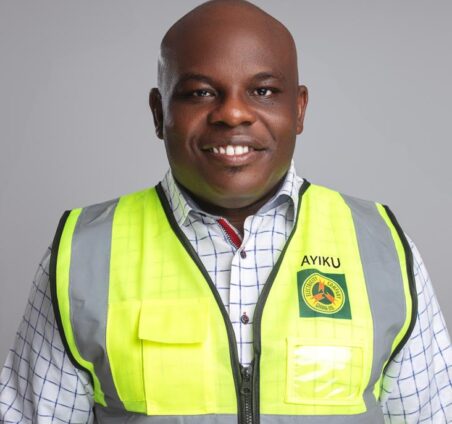
“Back in 2022, what we charged was equal to 2.27 US cents per kilowatt-hour. Today, it is worth only 1.23 cents. This makes it difficult for ECG to maintain and expand the network without upward tariff adjustments,” said Dr. Charles Nii Ayiku, General Manager for External Communications at ECG.
- slot pulsa
- situs slot 5000
- slot deposit 5000
- royalhoki77
- https://poolsafetygroup.com.au/what-we-do/
- https://patorama.com.au/helicopter-photography/
- https://reactmaintenancegroup.com.au/electrical-maintenance/
- https://www.100plumbing.com.au/work-with-us/
- slot maxwin
- https://finishingblade.ca/Banner/
- https://tubulousaustralia.com.au/gallery/
He added that the proposed percentage increase in electricity bills or the new Average End User Tariff (AEUT) is about 24 percent which is different from the DSC1. So the average end-user tariff is 24%.
He added that the new tariff will help ECG recover the cost of its recent investments, including new substations in Bibiani, Obuasi, Koforidua, and Afari; the installation of over one million smart meters; and upgrades to digital systems such as the ECG Power App, which allows customers to pay bills, buy credit, and make complaints online.
Customers, he assured, will directly benefit through system reliability and stability, improved voltage, faster response times, and more convenience. ECG projects that by 2029, average outage hours will fall by 41% and system losses will reduce from 27% to 22%.
“We are determined to build a stronger ECG that can deliver reliable service without depending on government bailouts. The proposed tariff is essential to achieving that goal,” Dr. Ayiku said.
ECG emphasised that with PURC’s oversight, the company will ensure transparency and accountability in the use of customer funds, reinvesting them into projects that improve power supply for homes and businesses across Ghana.
Latest Stories
-
When market traders want to lose weight: What are they doing and who are they listening to?
11 minutes -
‘I made the decision for him’ – Adebayor on Senaya representing Ghana
36 minutes -
Livestream: Ecobank-Joynews financial dialogue series
42 minutes -
AFCON 2027Q: Ghana face ‘difficult’ Ivory Coast clash without Kudus – Adebayor
1 hour -
Daily Insight for CEOs: Understanding the Competitive Landscape
1 hour -
IFC partners with Absa Bank Ghana and Complete Farmer to expand agricultural finance in Ghana
1 hour -
The thing that transforms An Image into Art is The Point of View
1 hour -
Mahama: Ghana’s health reset will prioritise local drug production
2 hours -
Mahama lists maternal and child health as first test of Accra Reset
2 hours -
Beyond the GH¢500b Target: A legislative blueprint to protect Ghana’s workforce (Part 2)
2 hours -
Alan Kyerematen explains why he contested 2024 election under Movement for Change
2 hours -
+233 to host Pat Thomas’ 80th birthday concert
2 hours -
EPA warns climate resilience plans face $22.6bn financing demand
2 hours -
Today’s front pages: Tuesday, September 22, 2026
2 hours -
Alan: ‘NPP has abandoned values of UP tradition, but I believe in those values’
2 hours