

Audio By Carbonatix
In the global race toward sustainability, Africa often gets typecast as the continent “to be helped”.
But that narrative is outdated.
Africa is not just a victim of climate change; it’s the stage for the next great green revolution — one rooted in technology, innovation, and a clear understanding that sustainability is not charity; it’s strategy.
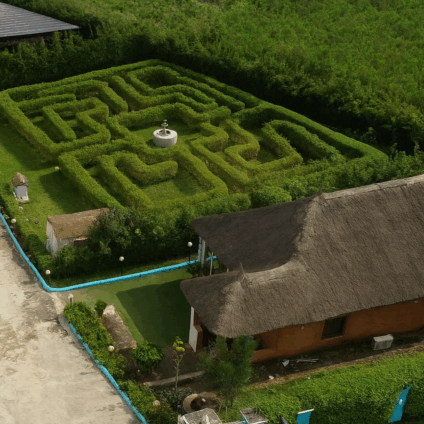
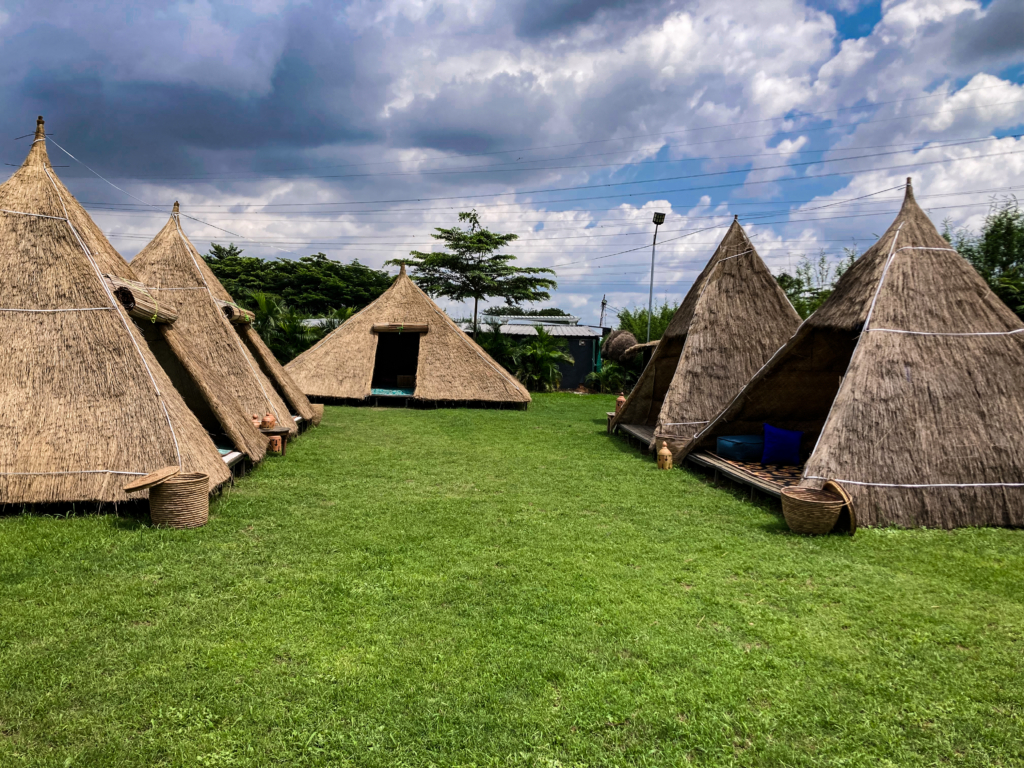
As the founder of Kahera Country Club in Abuja, Nigeria, I’ve seen firsthand how environmental consciousness can coexist with luxury.

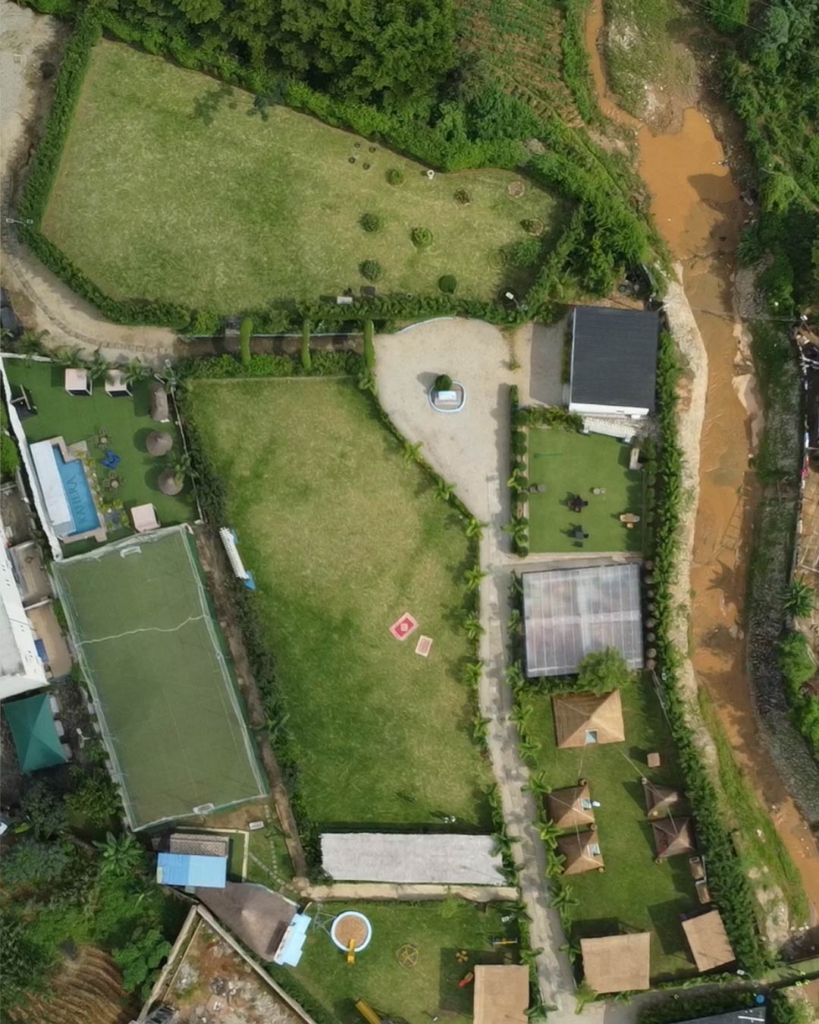
On our three-hectare property, we’ve designed a landscape that goes beyond aesthetics; it’s an ecosystem.
Over 750 trees, 6,000 shrubs, and 30,000 groundcover plants will transform the land into a natural carbon sink. Each tree will absorb roughly 10 kilograms of CO₂ per year as it matures, helping offset part of our operational footprint. But this is just the beginning.
Sustainability as a Business Model, Not a Buzzword
True sustainability isn’t about token gestures, it’s about building models that generate both impact and income.
The global carbon market is one of the few systems where Africa’s natural advantage- its forests, soils, and renewable energy potential-can translate into measurable value.
With credible frameworks and transparent verification, African nations can earn from what they protect, not just what they extract.
At Kahera, we’re creating the foundation to participate in this new green economy. Every tree we plant, every watt we save, every ton of waste we divert contributes to a measurable data set.
With the right digital tools, our efforts have evolved into verifiable carbon credits, assets that generate recurring revenue and fund further environmental initiatives.
Technology: The Great Enabler
The backbone of sustainability today is data. We can’t manage what we don’t measure. Across the continent, technology is allowing us to track emissions, monitor land use, and verify impact in real time.
- RFID sensors can trace sustainable materials and products from source to consumer.
- Satellite imagery and AI-driven analytics can calculate the carbon sequestration potential of every hectare of land.
- Blockchain platforms are emerging to ensure transparency and prevent the “double-counting” that has plagued early carbon markets.
For businesses and institutions alike, sustainability data is becoming as valuable as financial data. It tells the story of integrity, responsibility, and foresight.
Africa’s Carbon Credit Opportunity
Africa holds nearly 30% of the world’s carbon-sequestering ecosystems yet earns less than 3% of global carbon credit revenue. That’s a gap we can close.
By building credible, tech-enabled, community-driven projects, we can transform carbon credits from an abstract idea into a real development tool-one that funds jobs, protects biodiversity, and powers innovation.
Nigeria, Kenya, Ghana, and Rwanda are already creating carbon registries and green investment frameworks.
Imagine if hospitality estates, real estate developers, and even smallholder farms all participated in traceable carbon offset programs. The economic ripple effect would be enormous.
The Kahera Vision
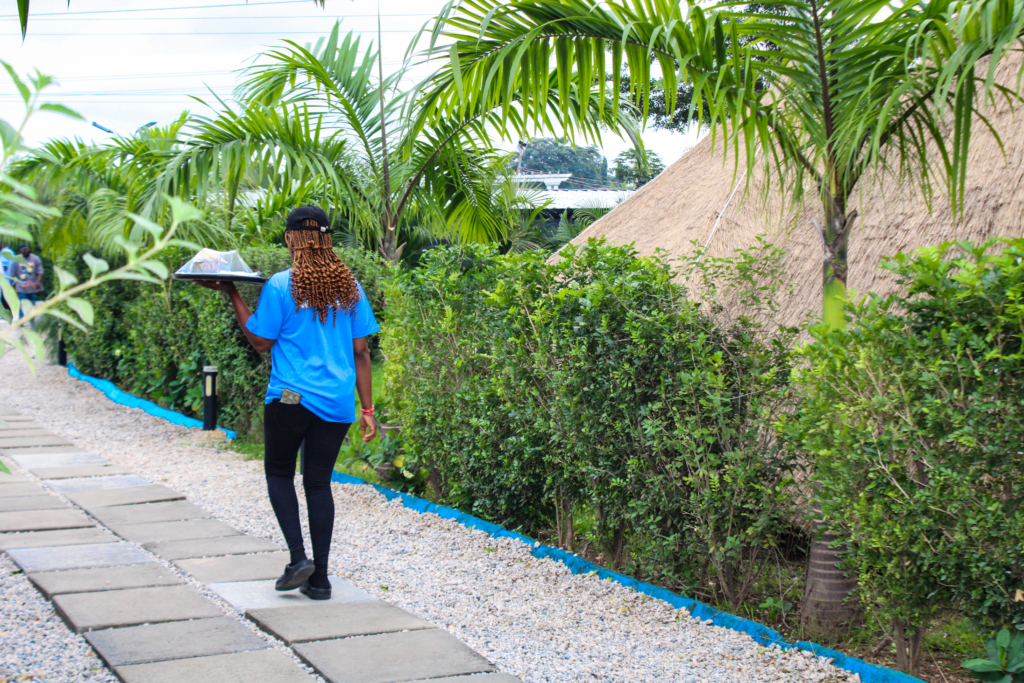
Our goal at Kahera Country Club is to redefine what luxury means in Africa. For us, luxury is clean air, shaded walkways, solar-lit nights, and water features fed by captured rain. It’s a place where sustainability is seamless- not a slogan, but a lifestyle.
We aim to publish a “Green Ledger” each year: tracking our trees, water use, waste diversion, and carbon offset performance.
These aren’t vanity metric, they’re part of a larger ecosystem of accountability and innovation. Because the future of luxury, tourism, and urban development in Africa depends on how responsibly we grow today.
A Call to Action
Africa doesn’t need to follow the West’s sustainability blueprint, we can write our own. With data, technology, and authenticity, we can turn climate resilience into economic advantage.
Sustainability isn’t a trend. It’s the new currency of credibility and Africa is rich in it.
-
By Kechi Ibe
The author is the founder of Kahera Country Club in Abuja, Nigeria.
Latest Stories
-
Photos: Housing solutions take centre stage at Day 2 of the 3rd Republic Bank-JoyNews Habitat Fair
18 minutes -
Video: Immunity should be exercised without creating classism – Inusah Fuseini on cocaine bust
51 minutes -
Ghana Air Force passes out 293 recruits after six months of intensive training
59 minutes -
EOCO vrs Baffour Awuah: EOCO should have secured warrant before arrest attempt at court – Inusah Fuseini
1 hour -
Triple fibre cuts disrupt telecom services across Northern, Oti regions – Sam George
1 hour -
Politicisation could undermine parliamentary probe into cocaine seizures – Dr Osae-Kwapong
1 hour -
EOCO chases MP: Can Section 41 cure lacuna in EOCO Act? – Inusah Fuseini asks
1 hour -
GNFS, GWL inspect fire hydrants in Ministries enclave; 23 found faulty
1 hour -
Gov’t directs release of 50,000 bags of grain to ECOWAS
1 hour -
Ghana, Germany deepen cooperation on railways, labour mobility
1 hour -
Huge crowds greet Pope in Paris for open-air Mass
2 hours -
‘I never said I’ll declare a state of emergency’ – President Mahama on galamsey
2 hours -
Bobby Banson condemns EOCO’s attempted arrest of Nana Agyei Baffour Awuah
3 hours -
When Kumasi begins to look like somebody is in charge
3 hours -
Parliamentary probe into cocaine seizure would be a waste of time – Inusah Fuseini
3 hours