

Audio By Carbonatix
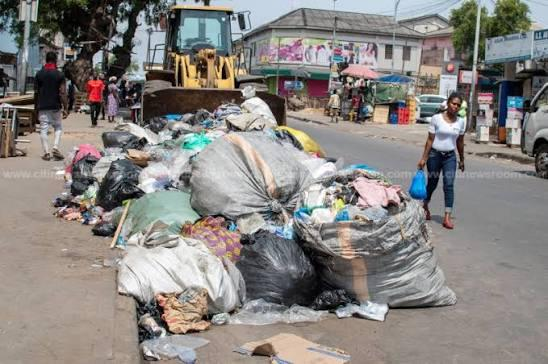
A new study on littering in Ghana suggests that public education messages may be more effective when they share two clear ideas at the same time: that more people are using bins and that the community supports and expects people to use bins.
The research comes at a time when littering remains a major concern, especially in large cities.
The study, titled “Examining Anti-Littering Intentions in Ghana Through the Theory of Normative Social Behavior and the Influence of Dynamic Norms,” was published in the 2025 edition of Current Research in Ecological and Social Psychology. It was authored by Kwaku Sarpong Danso, MA; Taylor Ann Foerster, PhD; and Rain Wuyu Liu, PhD.
The study notes that Accra generates over 3,000 metric tons of waste each day and that up to 40% may end up in streets and other public spaces.
What The Study Looked At
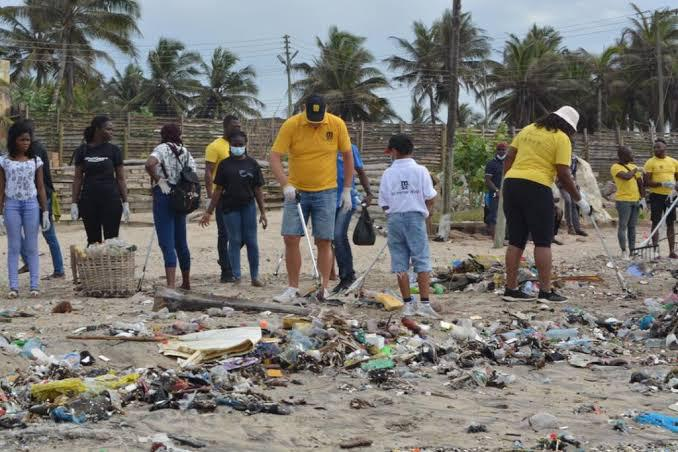
The study examined why people choose to dispose of trash properly and what kinds of campaign messages might encourage better waste disposal.
To do this, the researchers carried out in-person, paper surveys with 527 adults in Accra in August 2024.
Participants were approached in public places, including markets, malls, major roads, and suburban areas.
Key Findings
The study found that single messages may not be enough. For example, only telling people that “many people use bins” did not strongly predict whether they planned to dispose of trash properly.
However, messages were stronger when they worked as a pair—combining what people are doing (for example, “more people are using bins”) and what people expect (for example, “people think using bins is the right thing to do”).
The research also found that personal and health reasons mattered a lot.
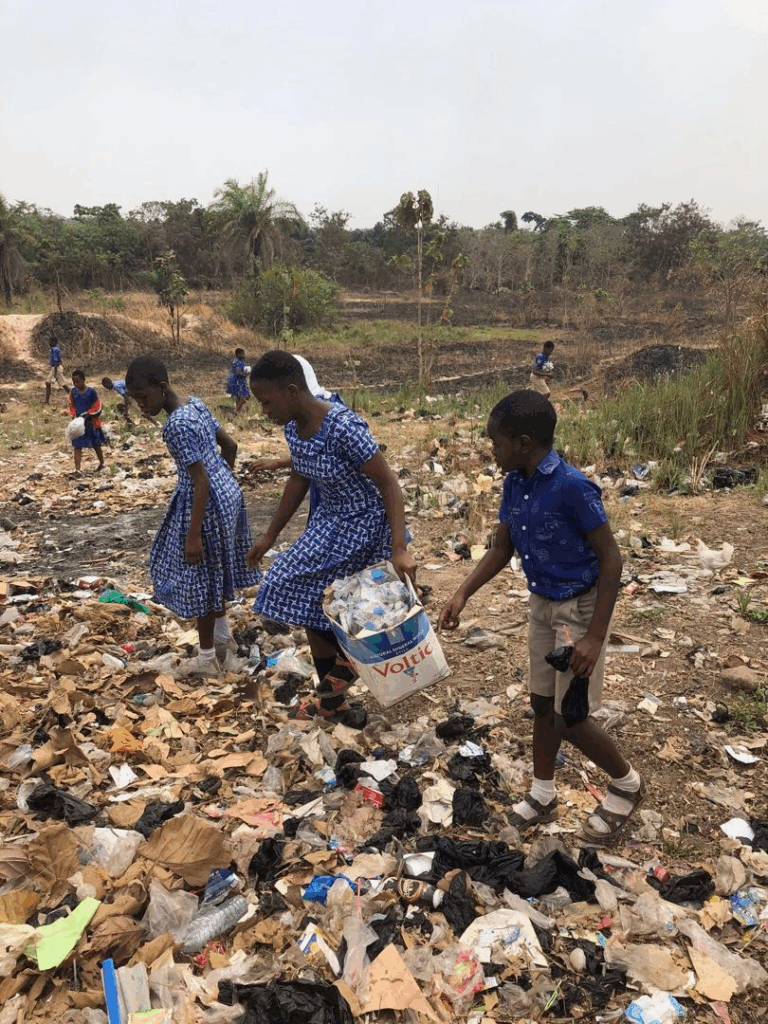
People were more likely to say they would use bins when they believed proper waste disposal protects their health and benefits them personally.
Why This Matters For Campaigns In Ghana
The authors suggest that anti-littering campaigns could be stronger when they show that good disposal habits are becoming more common, make it clear that the community supports proper disposal, and connect the message to everyday benefits people can relate to, especially health.
Latest Stories
-
T-bills auction: Government exceeds target marginally; yield on 91-day bill remains unchanged
2 hours -
GPL 2026/27: 10-man Aduana hand Kotoko defeat in Kumasi
2 hours -
GPL 2026/27: Medeama ease past Basake Holy Stars
3 hours -
Appiah Adomako writes: Why DVLA must stop treating every expired licence holder as delinquent
3 hours -
Localization must transfer decision-making power, not just project responsibilities
3 hours -
Modernising Ghana’s traditional markets through the 24-Hour Economy markets initiative
3 hours -
New economy will boost local production and create jobs – Finance Minister
3 hours -
Real-Time VAT on cross-border digital services – not a new tax and does not violate double taxation principle
4 hours -
Digitalisation, AI key to Ghana’s tourism transformation – GHATOF
4 hours -
Stronger GTA-private sector partnership needed to grow tourism – GHATOF
4 hours -
Amazon eyes Ghana for broadband expansion after talks with Mahama
5 hours -
National Investment Quiz 2026: Six schools qualify for quarter-finals
5 hours -
‘Do not let Russia pay for its madness with lives of your people’ – Zelensky to Ghana, 46 other countries
5 hours -
6,079 promotion cases fully processed and paid – CAGD says amid nationwide teachers’ strike
6 hours -
Teacher unions to meet government Monday over nationwide strike
6 hours