

Audio By Carbonatix
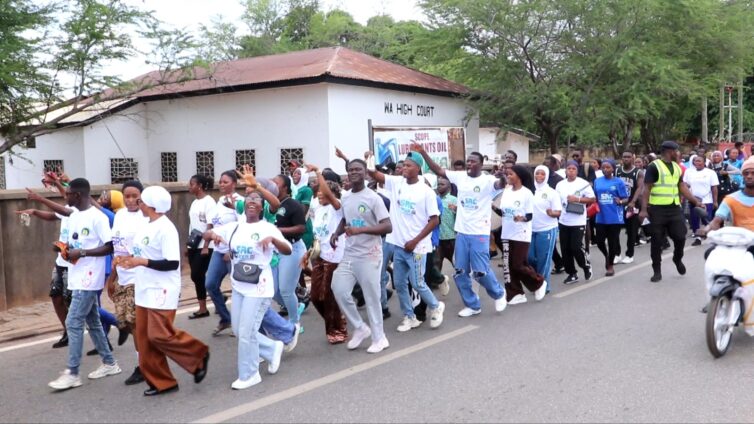
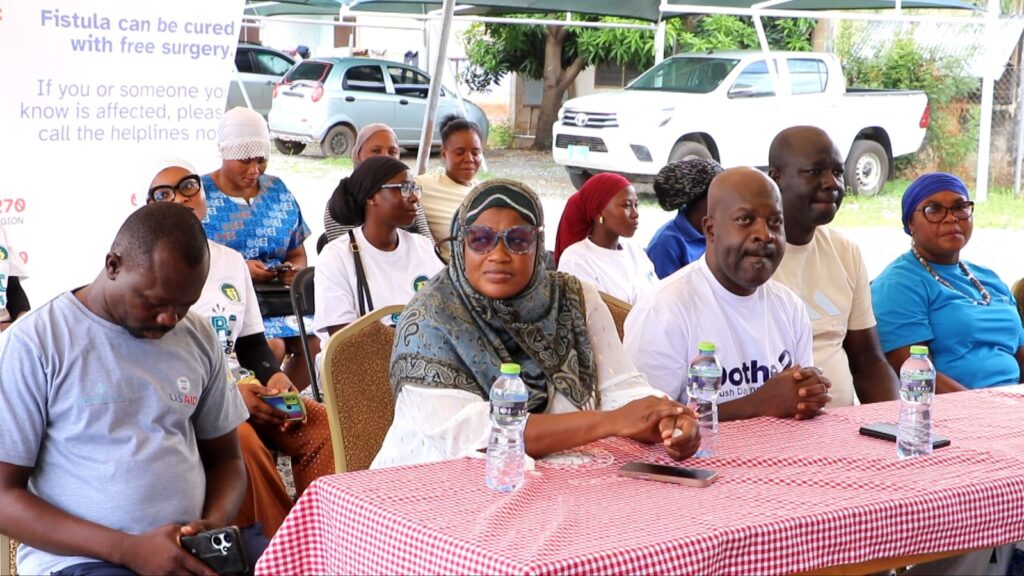
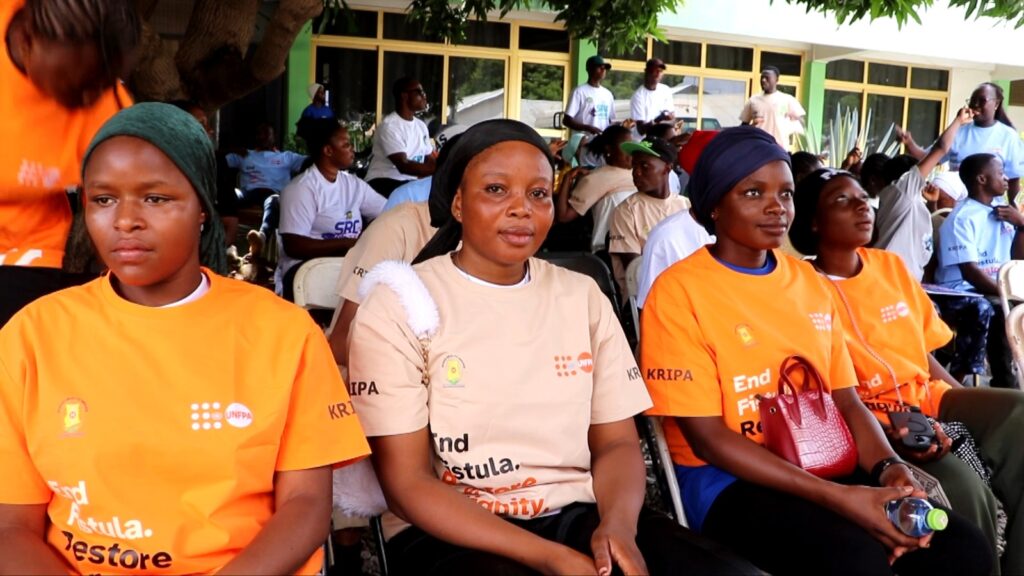
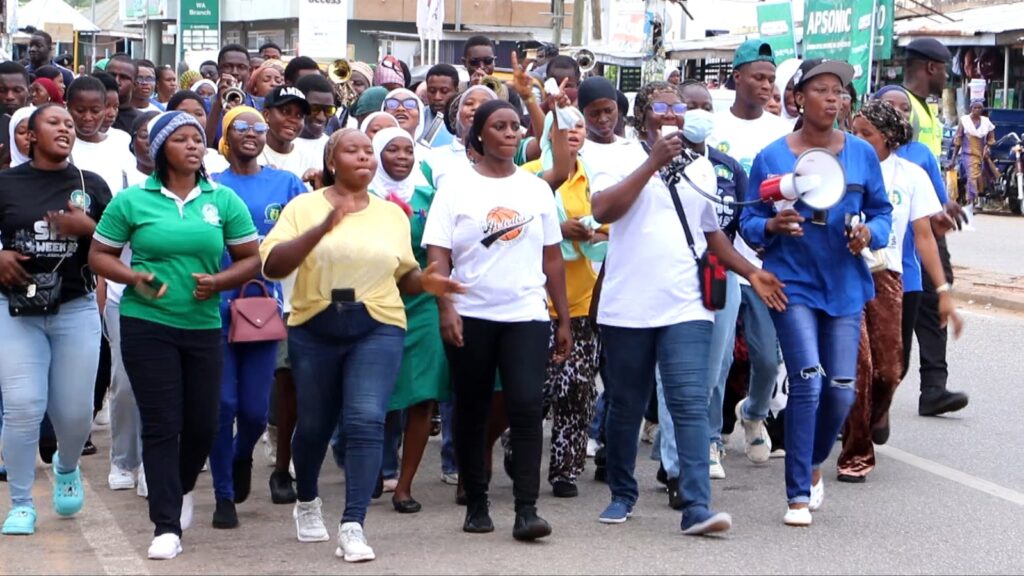
Staff members from the Regional Health Directorate, health workers from municipal and regional hospitals, and students from the Wa Nursing Training College flooded the principal streets of Wa on Saturday morning to commemorate the 2026 International Day to End Obstetric Fistula.
The massive procession was a collaborative effort spearheaded by the Ghana Health Service (GHS) with major backing from the United Nations Population Fund (UNFPA), the primary partner driving this year's awareness and intervention campaigns.
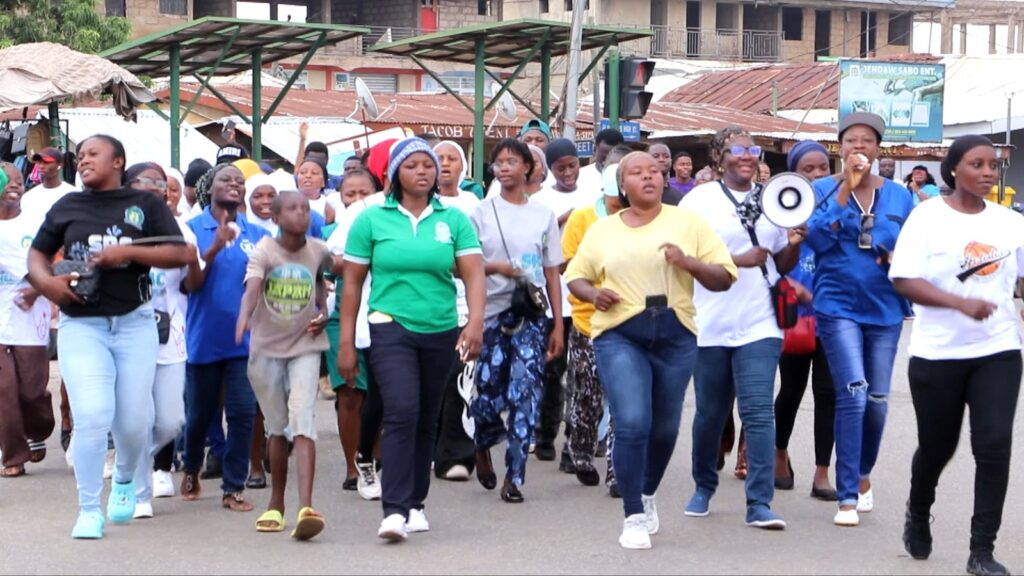
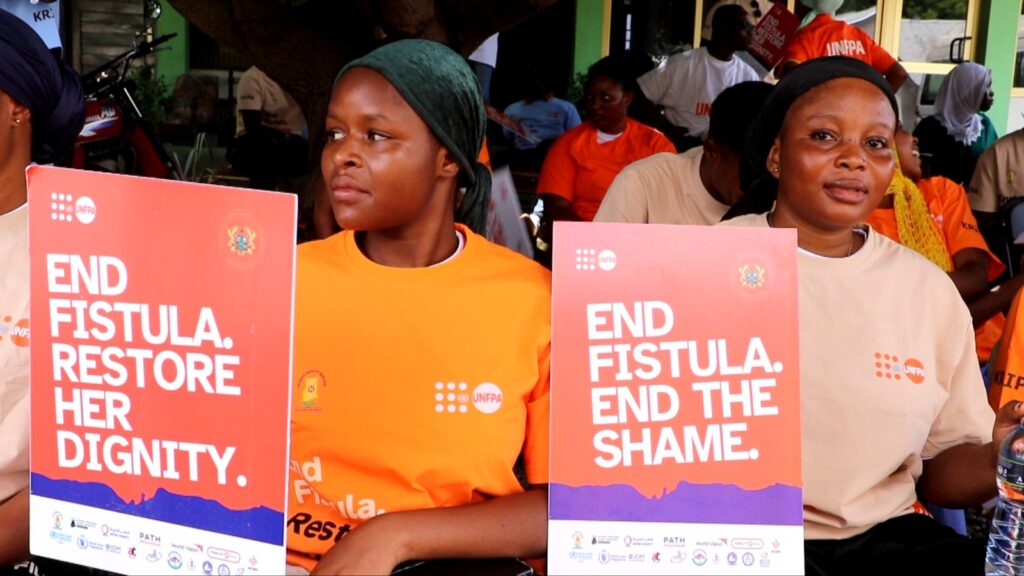
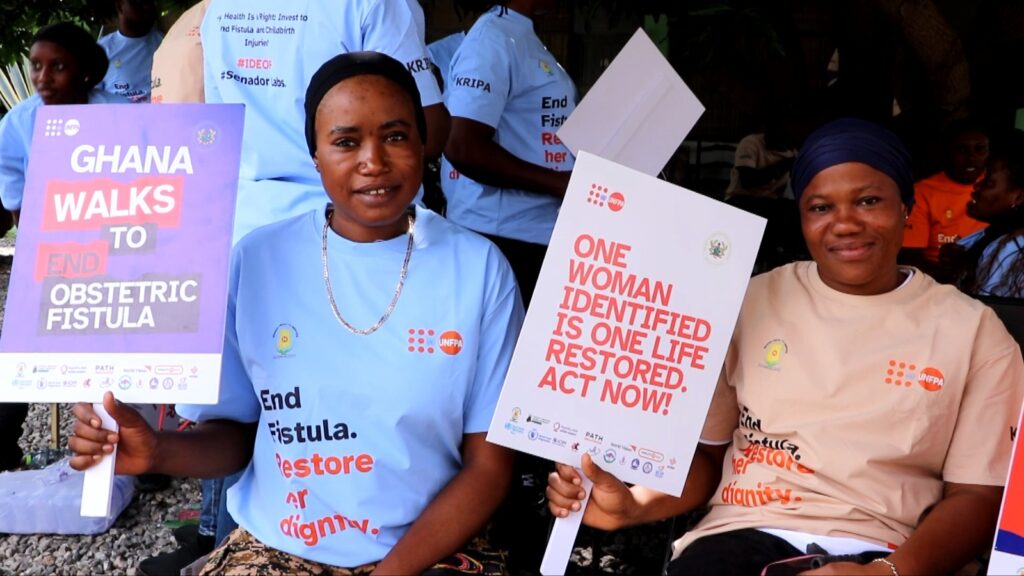
Starting at the Ministries Volleyball Court and gathering at the Regional Health Directorate, participants hoisted placards with urgent appeals such as “End fistula, end the shame,” and “One call, one cure, end fistula today.”
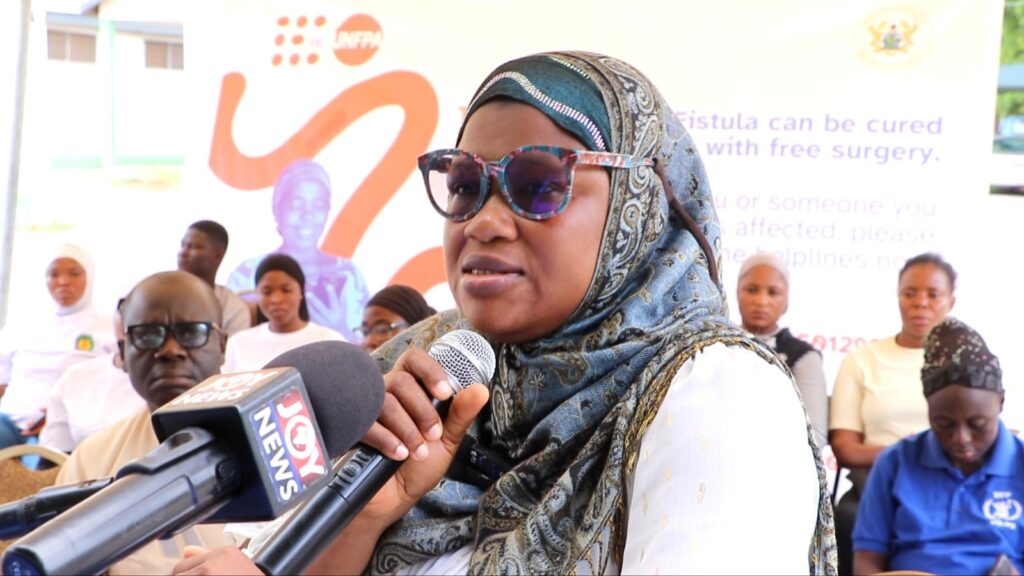
"We didn't just take a walk for exercise alone, but we were trying to create awareness on obstetric fistula," stated the Deputy Director of Clinical Care, Abarry Tahir Mohammed, who spoke on behalf of Regional Health Director Josephat Nyuzaghl.
Acknowledging the crucial support of the UNFPA and Mercy Ships, he urged families not to hide affected women.
"The treatment is free. The surgery is free. So let's come out," he declared.
The event, organised under the global theme "Her health is a right: Invest to end fistula and childbirth injuries," aimed to combat the deep-seated stigma surrounding the condition.
Regional Public Health Nurse Gladys Cheyuo highlighted the region's localised efforts and hurdles. She revealed that between 2006 and 2026, the Upper West Region "mobilised 211 suspected fistula cases", of which "96 of them were repaired at the regional hospital".
She identified delayed healthcare decision-making, poverty, and teenage pregnancy as significant barriers to ending the condition.
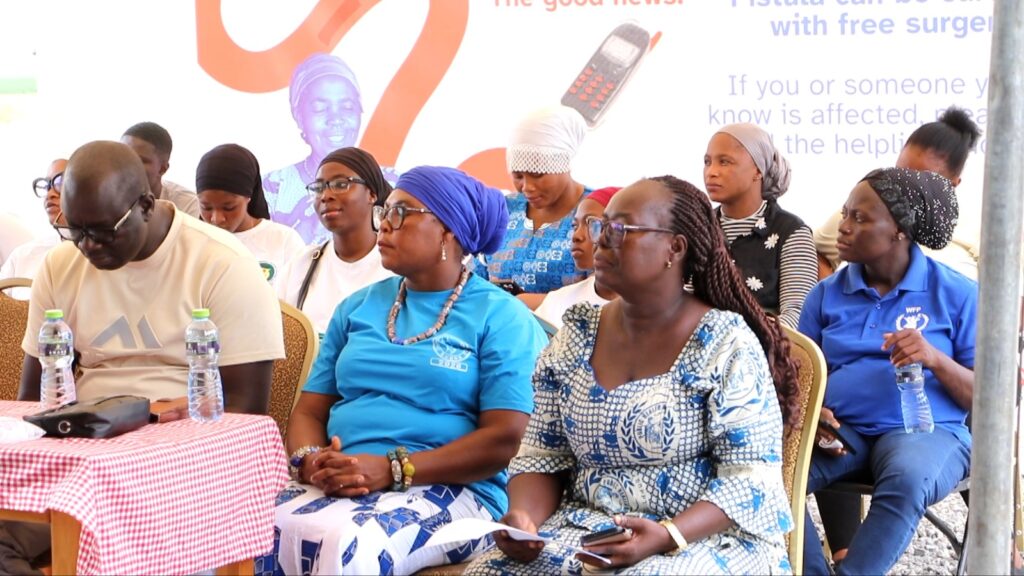
Obstetric fistula is a devastating childbirth injury primarily caused by prolonged and obstructed labour without timely medical intervention. An obstetrician-gynaecologist at the regional hospital, Dr. Amina Sanni-Toure, shed light on the physical and psychological torment of the condition. She emphasised that beyond the surgical repair, social acceptance is paramount.
"Our job as doctors is to prevent and treat, but it is for the community to help us reintegrate these people into the community," Dr. Sanni-Toure stressed, lamenting that many survivors "still can't get jobs to do because people have already stigmatised them."
Backing the advocacy with immediate medical action, Pognaa Rosemary Bangzie, the focal person for fistula awareness at the health directorate, detailed the upcoming free surgeries.
"Tomorrow we have 11 women who will be leaving here, Upper West Region, to Mankessim for them to repair their fistulas," she announced. Bangzie further noted that additional patients will be reporting to the Upper West Regional Hospital on May 26th, with admissions scheduled for the 27th for localized surgeries.
The march served as a powerful reminder that effectively eradicating obstetric fistula by 2030 requires a collective push from healthcare providers, traditional leaders, and families to eliminate stigma and ensure timely access to maternal healthcare.
Latest Stories
-
Engage Now Africa and LDS church commission boreholes for five communities in Upper East communities
19 minutes -
GPL 2026/27: Karela United bank on home form against Hearts of Oak
28 minutes -
NPLs declined to 15.7% in August 2026
45 minutes -
Existing Cedi notes to remain legal tender alongside Heritage Series – BoG
52 minutes -
Consumer, business sentiments positive – BoG
1 hour -
There’ll be no GH¢500 Cedi note as part of Heritage Series issuance – BoG
1 hour -
Heritage Series Cedi notes to modernise cedi while preserving national identity – BoG
2 hours -
Ghana’s business environment at ‘Inflection Point’ as private Sector takes greater lead — Vish Ashiagbor
2 hours -
At least 2 new airlines could join domestic aviation market by 2027 – GCAA Director General
2 hours -
What if Ghana’s next tourism boom begins with Ghanaians?
2 hours -
Energy Commission to monitor EV charging stations
2 hours -
Invest with confidence, Ghana’s golden era is beginning – Finance Minister
2 hours -
Do Ghana to launch The Great Ghana Day Out on World Tourism Day
2 hours -
Clean up our politics before politics cleans us up
3 hours -
2025 was a turning point, says Abradu-Otoo as NAFCO posts record GH¢91.7m profit
3 hours