

Audio By Carbonatix
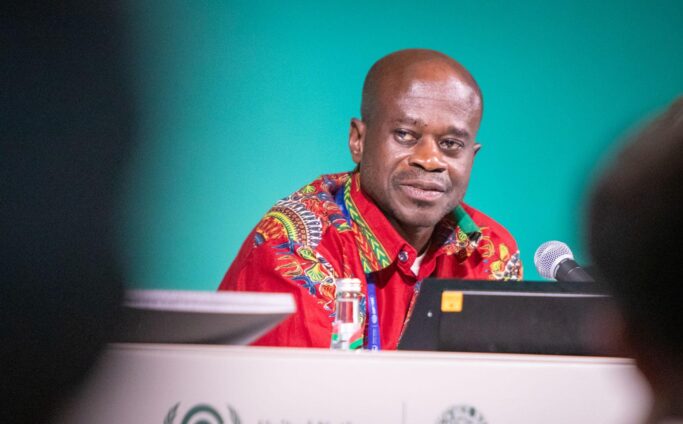
The African Group of Negotiators (AGN) has criticised the agenda of the ongoing United Nations June Climate Meetings in Bonn, Germany.
The group chair, Nana Dr. Antwi-Boasiako Amoah, argues that the absence of dedicated discussions on loss and damage and National Adaptation Plans demonstrates a worrying disconnect between the realities confronting vulnerable countries and the priorities of the global climate negotiation process.
Delivering the opening statement on behalf of all 54 African countries at the sixty-fourth sessions of the Subsidiary Bodies (SB64), Nana Dr. Antwi-Boasiako Amoah said the continent enters the negotiations under the shadow of another looming climate threat.
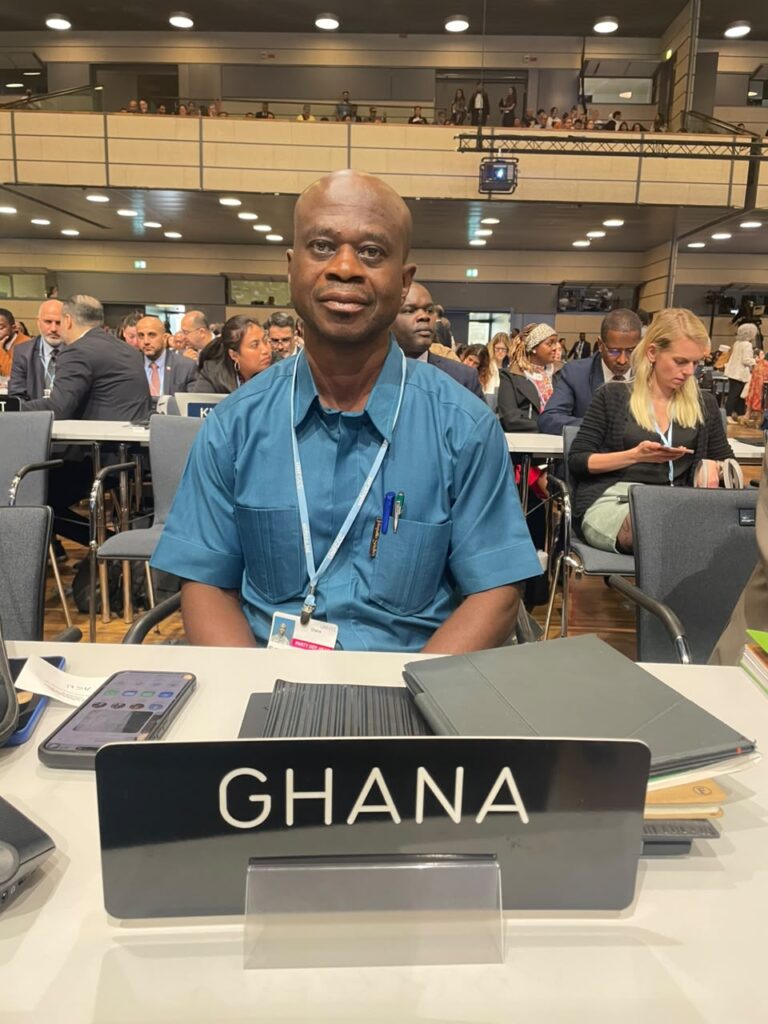
He referenced a recent warning by the World Meteorological Organization (WMO), which projects an 80 per cent likelihood that El Niño conditions will develop between June and August 2026, with nearly a 90 per cent probability that they will persist until at least November.
"For Africa, already burdened by severe climate impacts, the warming of worsening conditions starts catastrophe," he told delegates.
"It is of grave concern to all of us, and yet, in a process claiming urgency, we do not even have an agenda item of loss and damage or National Adaptation Plans. We find this process as insensitive to Africa's situation deeply worrying."
The remarks represent one of Africa's strongest opening interventions ahead of COP31, where developing countries are expected to renew demands for greater financial support to cope with the devastating consequences of climate change.
Loss and damage remains one of the most politically contentious issues within the UN climate process. It refers to the irreversible impacts of climate change that can no longer be prevented through mitigation or adaptation, including lives lost, destroyed infrastructure, displacement of communities, disappearing coastlines and declining agricultural productivity.
African countries have consistently argued that while they contribute only a small fraction of global greenhouse gas emissions, they continue to suffer disproportionately from floods, droughts, extreme heat and food insecurity driven by climate change.
Dr. Amoah suggested that the current negotiating agenda fails to reflect the urgency of these realities.
"Given our limited time on the floor, I will reflect on a few areas only," he said, adding that the African Group's comprehensive position would be submitted separately to the UNFCCC Secretariat.
His comments come as negotiators from nearly 200 countries gather in Bonn from June 8 to 18 for the annual technical negotiations that will shape decisions expected to be adopted later this year at COP31 in Antalya, Türkiye.
The Bonn meetings are designed to advance negotiations on adaptation, climate finance, transparency, technology transfer and implementation of previous agreements before political leaders meet in November.
However, the AGN believes discussions cannot continue without giving equal attention to the losses that vulnerable countries are already experiencing.
The intervention also comes at a time when many African countries continue to grapple with recurring droughts, floods and erratic rainfall patterns that have disrupted agriculture, threatened water security and strained national economies.
The AGN Chair's remarks reinforce Africa's long-standing position that climate negotiations must move beyond future emissions reductions to also address the immediate humanitarian and economic consequences already unfolding across developing countries.
By placing loss and damage at the centre of Africa's opening intervention, the continent has signalled that it intends to make support for vulnerable nations one of its defining priorities throughout the Bonn negotiations and at COP31 later this year.
Latest Stories
-
JoyNews–Republic Bank Habitat Fair ends on a high note after 3 days of strong patronage, expert engagement
22 minutes -
Emma Ofosua takes West African spoken word to three UK cities
24 minutes -
Traditional artists will become more expensive because of AI – Aewura Arts
28 minutes -
Clients would disappear after I finished their artworks – Aewura Arts recounts challenges
28 minutes -
Turkish police detain dozens in raids on gay bars and homes of LGBTQ+ activists
32 minutes -
Trump doubles down on united Ireland comments on day two of visit
35 minutes -
Best friends for decades – until a DNA test revealed they were sisters
42 minutes -
Russia hits Ukrainian train shortly after Boris Johnson and top European officials leave station
48 minutes -
GPL 2026/27: Berekum Chelsea record first win with 3-1 victory over Dreams FC
51 minutes -
GPL 2026/27: Kotoko beat Heart of Lions to end decade-long winless run
55 minutes -
GPL 2026/27: Hearts of Oak come from behind to beat GoldStars
1 hour -
Construction of new Wa airport to commence soon – Mahama assures
1 hour -
Government support for the arts industry is not enough — Aewura Arts
2 hours -
Art can be lucrative, but have a side hustle – Aewura Arts to fellow artists
2 hours -
No two-phone law – GRA clarifies Customs rules for travellers
2 hours