

Audio By Carbonatix
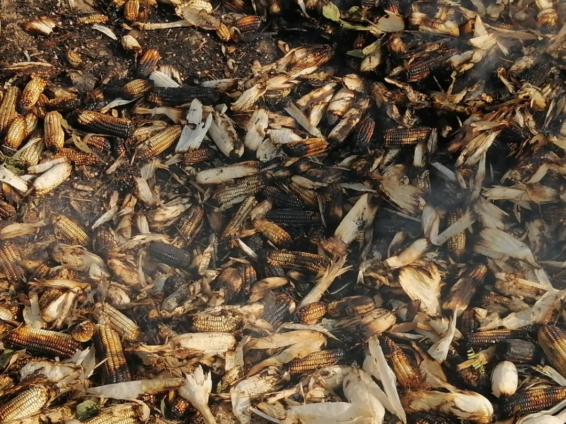
Some 300 acres of maize, cowpea, and soya bean farms belonging to the Tibzaa farms in the Northern Region have been burnt.
This brings the total number of farms destroyed by fire outbreaks in the Region this year to three.
Chief Executive Officer (CEO) of Tibzaa Farms, Sanitaro Mahama, tells JoyNews that the company invested GH₵700,000 into the farm, ploughing 480 acres of maize, cowpea, and soya beans.
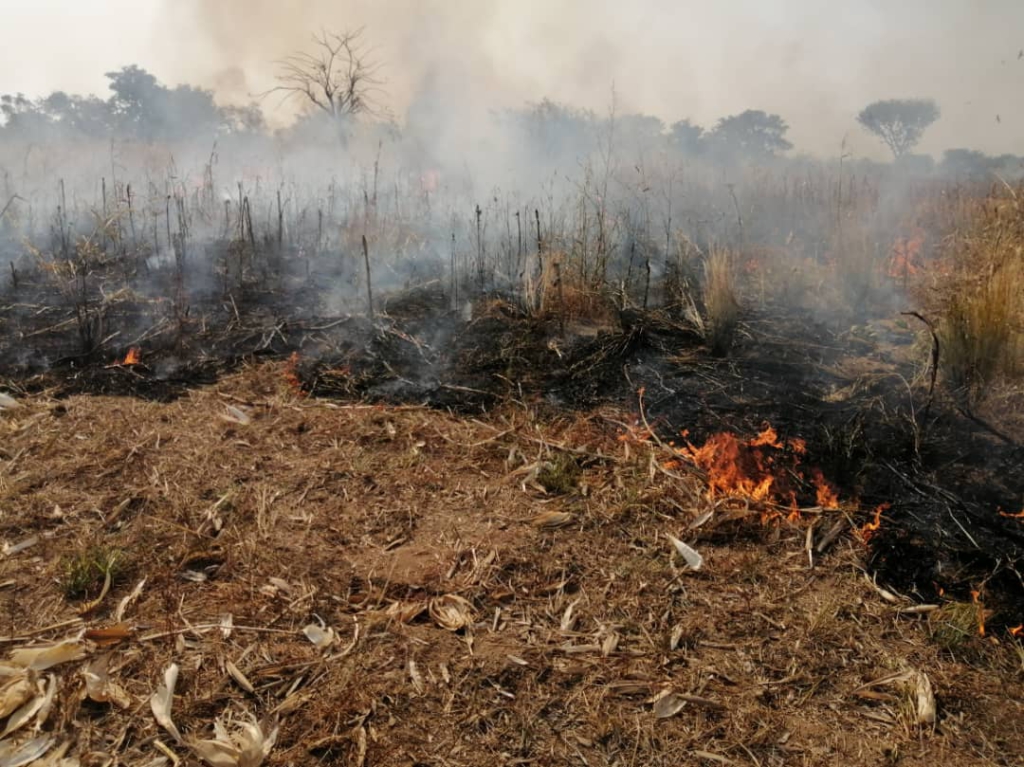
He observed that the fire burnt uncontrollably from morning to midnight.
All efforts to quench the fire proved futile, he stressed.
Mr. Mahama submitted that, with the good yield of all the crops and a ready offtaker to buy the produce, he was expecting substantial cash input which has unfortunately gone down the drain.
The Tibzaa Farm CEO said the company could have harvested earlier if the necessary machinery was available.
"One of the challenges in agriculture in the north particularly commercial farming is the unavailable source of financing. If we had affordable and access funding to buy the right machinery we could have harvested before this fire."
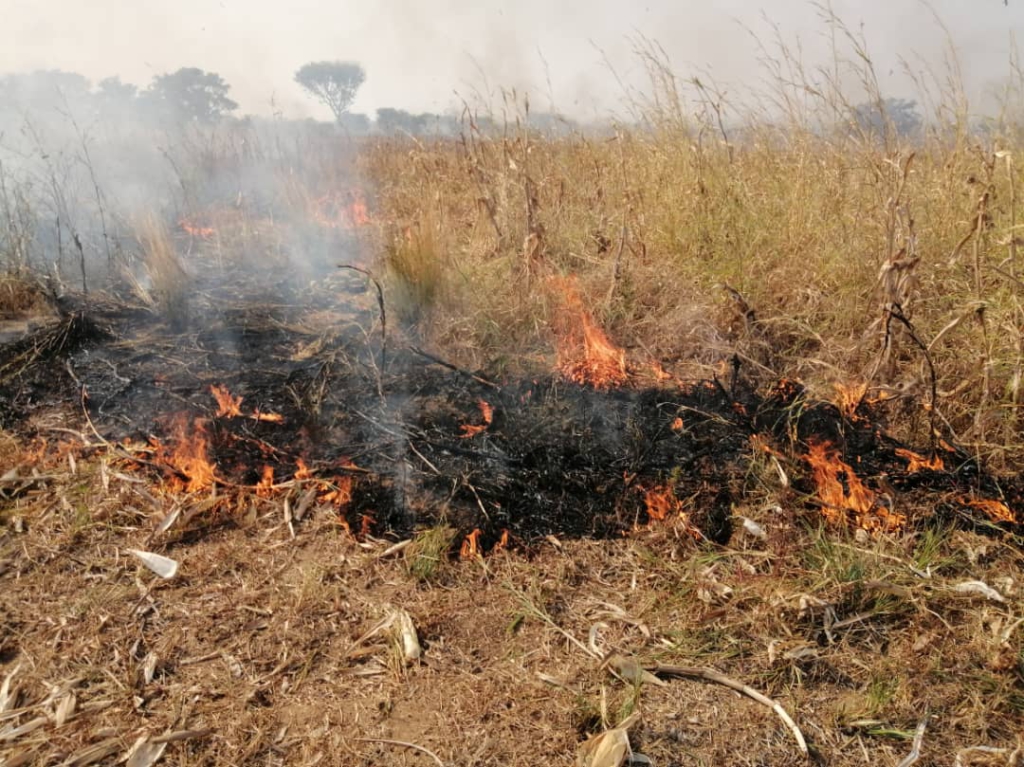
"The flow effect of the burning of the farm to the community is a huge one because we have not less than 150 people who work on this farm each year. This means their livelihood is all gone," he added.
Mr. Mahama is hence calling for the enforcement of stringent laws to protect farmers and farmlands in the area.
Each year thousands of farmlands are destroyed when young men start fire to hunt for rats, squirrels, rabbits among others.
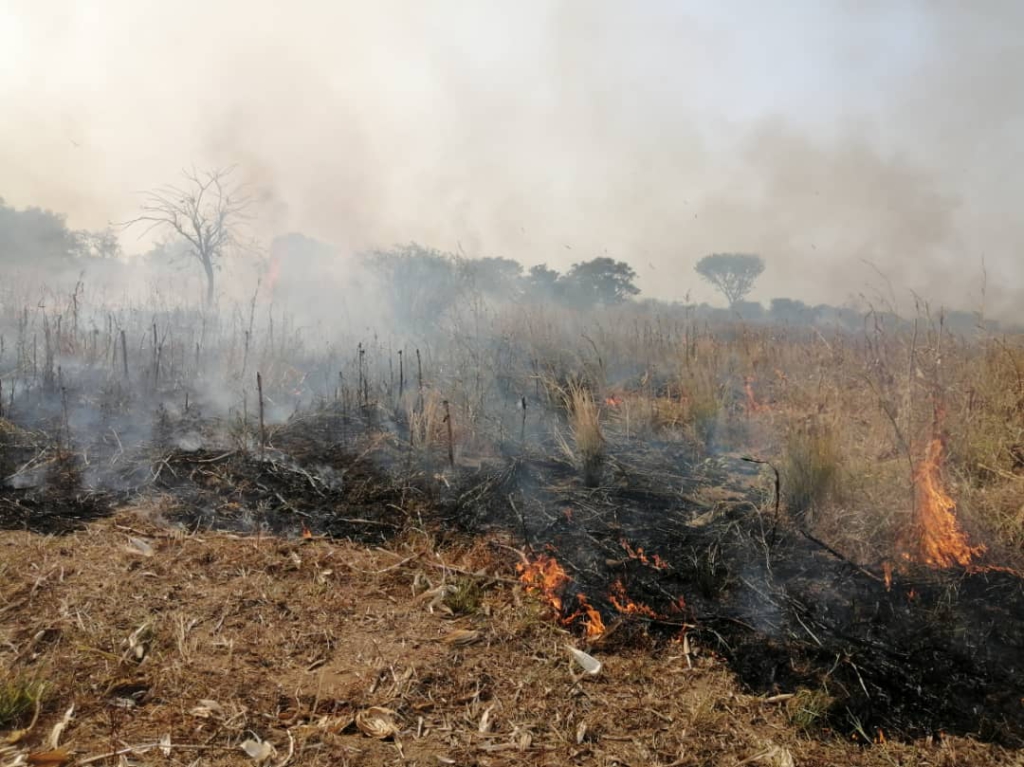
Herdsmen also burn bushes so that fresh grass can grow for their animals to graze.
These end up destroying farmlands and the vegetation in the region.
Amongst the victims of recent fire outbreaks is the Northern Regional Chairman of the NDC whose rice farm was burnt to the ground.
This was after the second national best farmer, Mahamud Mohammed Awal also lost some crops to a fire outbreak.
Other commercial farmers in the Region have also lost large farms and various sources of livelihood.
Latest Stories
-
Who gave Gbande the EOCO remote control?
3 minutes -
Ghana begins review of 1999 National Land Policy, targets new framework by 2027
43 minutes -
Tiptoe Lane’s tech takeover: The story behind Ghana’s booming informal phone market
2 hours -
Abanga vows to use social media to counter NDC messaging ahead of 2028 elections
2 hours -
Okai Mintah seeks Sabah Zita Benson’s support for NDC National Youth Organiser bid
2 hours -
Okai Mintah vows to strengthen NDC campaign machinery ahead of 2028
2 hours -
Mother of four and Jasikan teacher among new Telecel M’ahitti Promo winners
2 hours -
International Youth Shakers Conclave 2026 set to bring global young leaders to London
2 hours -
Gov’t is committed to addressing teachers’ conditions of service, deprived-area allowance – Education Minister
3 hours -
GoldBod’s structure encouraging galamsey – Afenyo-Markin
3 hours -
Tullow starts selling Jubilee, TEN crude to Ghanaian refineries
3 hours -
Local Government Service authorises rationalisation, redistribution of staff
3 hours -
PURC assures consumers of working to ensure quality services in Northern Region
3 hours -
Ghana develops US$4.28bn water financing framework
3 hours -
Christian Council calls for protection of mission schools’ religious identity
3 hours