

Audio By Carbonatix
As part of measures to mitigate the impact of climate change on food production, Actionaid Ghana is championing a sustainable agriculture practice with less impact on the environment.
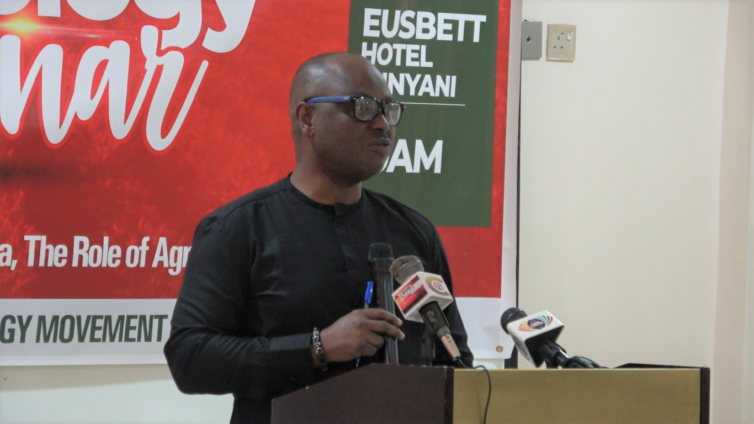
According to the Country Director of Actionaid, John Nkaw, practicing agroecology remains the most sustainable means of farming since it makes use of nature’s goods and services without damaging the resources.
In the practice of agroecology, farmers use organic materials like biomass, compost, agroforestry, conservation of water and soil, and other sustainable interventions of promoting resilient agriculture.
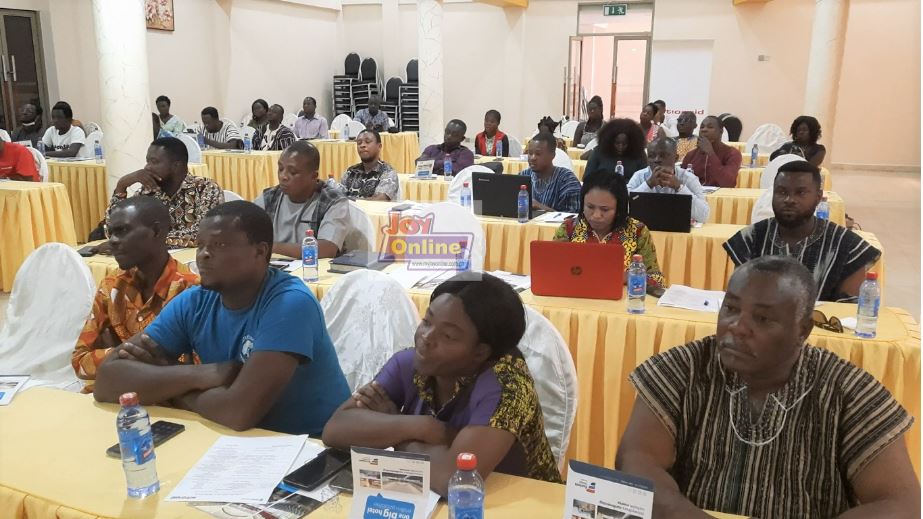
Because of that, Actionaid partnered with the University of Energy and Natural Resources, UENR, at a seminar in Sunyani in the Bono Region to discuss and strategize on means to ensure secure sustainable agriculture and food security through agroecology.
The seminar, which is part of efforts in addressing the impact of climate change, was themed: “Sustainable agriculture in Ghana, the role of agroecology”. It was attended by members of academia, representatives of state institutions, civil society groups, and smallholder farmers.
Mr. John Nkaw said the partnership is also aimed “at leveraging the strengths and capabilities of each other to champion sustainable development and improve the lives of the Ghanaian, especially people living in poverty”.
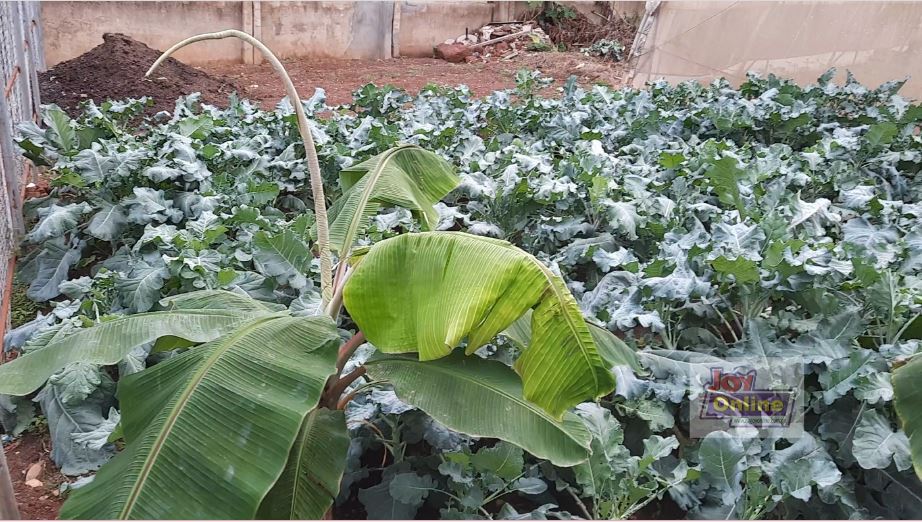
For successful farming, he noted that the agricultural practices should work with the local ecosystem where soils and plants are improved through available biomass and biodiversity rather than battling with nature with chemical inputs.
He said, “Agroecology practices are in line with Actionaid's mission priority of promoting system change for climate justice”, and they believe it is one of the most sustainable solutions in building the resilience of farmers and would contribute to addressing the impact of climate change.
He also said the high cost and unavailability of chemical fertilizers resulting in a high cost of production reinforces the need for the use of natural resources and agroecology, hence the need for stakeholders in agricultural development to work together to achieve sustainable agriculture.

The Vice-Chancellor of UENR, Prof Elvis Asare-Bediako, while commending Actionaid for the partnership, said the seminar would broaden the understanding of stakeholders on the agroecology phenomenon, which he insisted is not entirely new because “our forefathers practiced it”.
“They used ash to deal with insects, practiced mixed cropping instead of mono-cropping, they would not burn the weeds, etc, which minimizes the impact on the ecology while adding nutrients such that you don’t need to depend on external chemical inputs. So it is about going back to our roots in a more modernized approach”, he explained.
Dr. Kwadwo Gyasi Santo, School of Agriculture and Technology, UENR, said aside from reducing climate change, agroecology practices would also reduce the cost of production, enhance productivity, renovate the food system, increase soil fertility, boost the income of farmers, and ensure healthy food to consumers, among others.
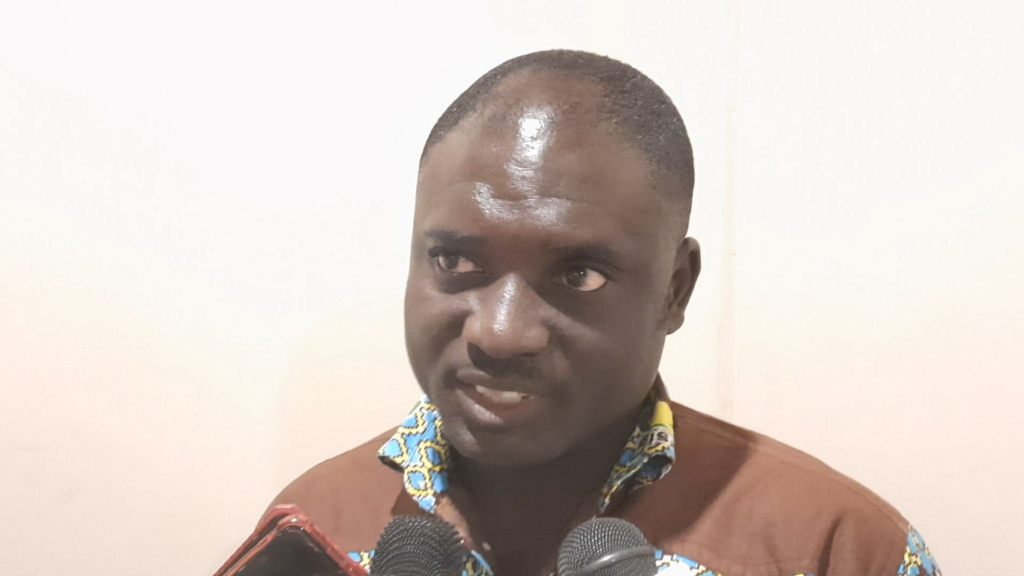
He, therefore, called for collective sensitization of the farmers on the causes of climate change and its effects on agriculture, the lives of the farmers, and society at large.
He also called for farmers to be educated on the choice of crop varieties which can resist some of the extreme weather conditions to enable them to maximize productivity and their welfare.

A farmer, Vivian Awuni, who is into vegetable farming in the Tain district, said the use of organic manure in her farm has boosted her production and income levels, and her customers confirm the healthy nature of her yields. She urged other farmers to also practice the use of organic manure instead of chemical inputs.
Latest Stories
-
Imprisonment should be rehabilitative, not punitive – Ghana Prisons boss at UNGA
30 seconds -
Ga Adangbe traditional priests petition Mahama over McDan aviation licence revocation
12 minutes -
Anti-LGBTQ Bill: NDC’s arrogance is worrying – Hassan Tampuli
22 minutes -
Let’s give OSP time to mature, not to scrap it – Hassan Tampuli
26 minutes -
Nigeria convicts 386 Islamist militants in mass trials
31 minutes -
Djibouti president wins election with 97.8% of vote, state media says
36 minutes -
We don’t have mandate to deduct tax from rent allowance of security services personnel – Interior Ministry clarifies
50 minutes -
Ablakwa receives Presidential Special Envoy on Reparations to advance global agenda
1 hour -
Christina Koch becomes first woman to travel around the moon on Artemis II
1 hour -
Epstein survivors’ calls to meet King Charles and Queen harder to ignore as US visit approaches
1 hour -
UN Secretary-General names Ghana’s Anita Kiki Gbeho as South Sudan envoy
1 hour -
Mali withdraws recognition of Sahrawi Republic, backs Morocco’s autonomy plan
2 hours -
Gov’t distributes over 8,500 laptops to One Million Coders project
2 hours -
Julius Debrah, ‘man to beat’ as NDC’s James Agbey dismisses Musah Dankwah’s polls
2 hours -
GPRTU in Savannah Region to protest alleged eviction in Damongo
2 hours