

Audio By Carbonatix
The West Africa Civil Society Institute (WACSI) has expressed worry about Africa’s high dependency on the West for assistance.
According to the Institute, it is about time African countries generated revenues internally in order not to face economic challenges.
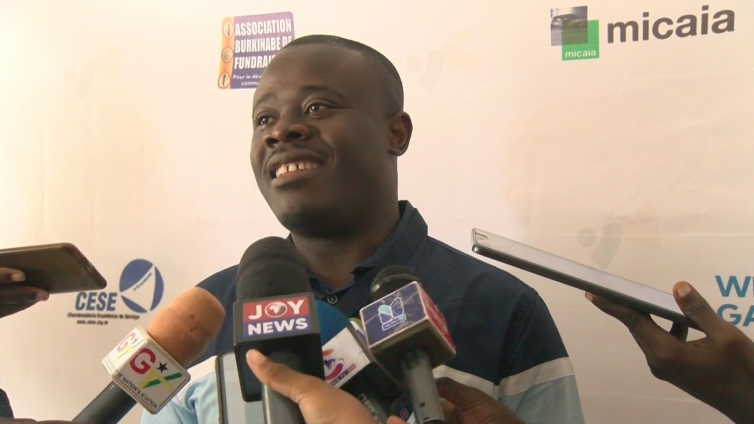
Speaking on the sidelines of the Giving for Change workshop held on Monday, July 11, the Head of Knowledge Management and Communications for WACSI observed that it is for countries to excite citizens’ interest in giving.
Jimm Chick Fomunjong stated that depending on foreign aid comes with unfavorable conditions, which do not benefit the receiving countries.
“Aid is tied to certain restrictive measures that may not really favour roles of organisations benefiting from the aid. Although we need aid, the conditions that we peck to the aid that we receive from the West are worth revisiting to ensure that aid is not an impediment.
“We need to pull the GH¢1 and the 50 pesewas together to complement the technical knowledge. You would see that we would build an industry of local philanthropy that would really help Africa to move faster than we are currently experiencing,” he said.
At the same event, the Executive Director of the Star Ghana Foundation, Ibrahim-Tanko Amidu, mentioned that Ghana's philanthropic culture over the years has changed.
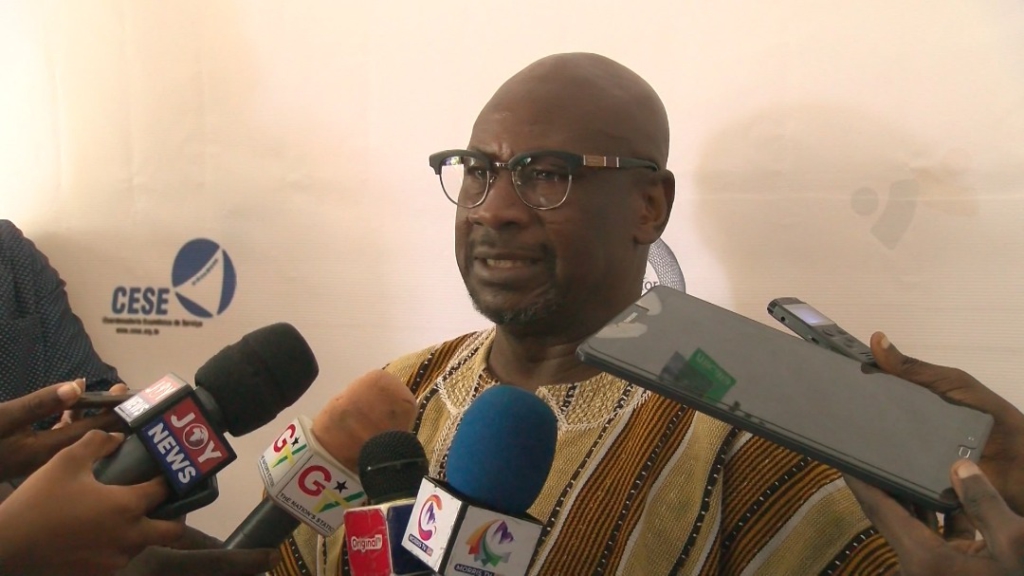
“People are willing to give but they must believe in the course that you are asking them to give for. Interestingly, we found out that a lot of people prefer to give to media organisations than the civil society organisations.
“When the media is mobilising funds for a sick person, it really works well than where an NGO says they are mobilising funds,” he noted.
The Executive Director of the Global Fund for Community Foundations, Jenny Hodgson, emphasised the need to capitalise on the philanthropic culture in Africa to advocate internal revenue generation.
“People across Africa and the rest of the world have always given. They’ve always given for funerals, illness and weddings. The systems already exist but, so far, they have been largely overlooked and ignored by the system of international development, which focuses on money coming from outside the continent.
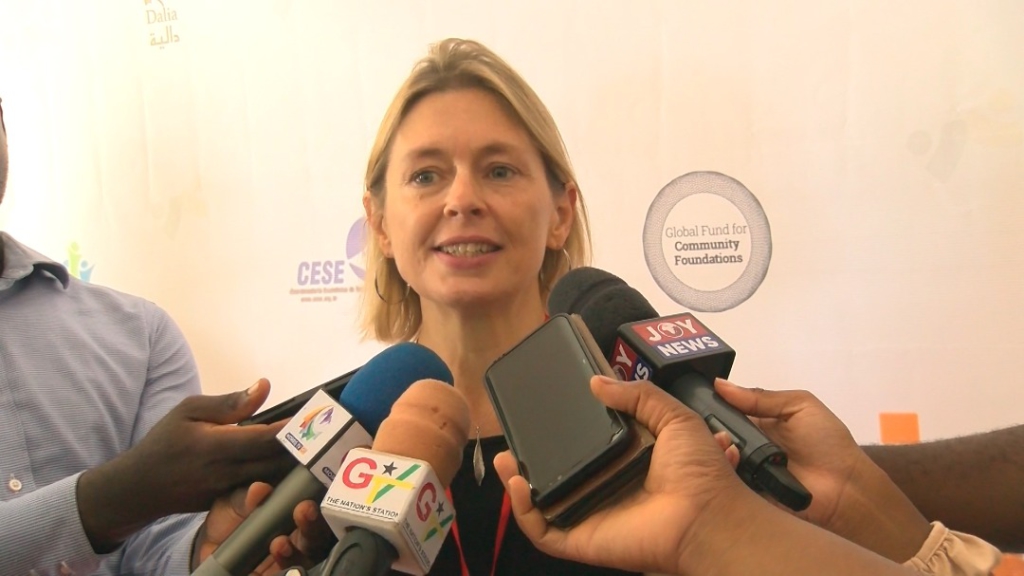
“So, the programme is really trying to look at how can we recognise and acknowledge and build on existing culture of giving.”
Giving for Change is a project that emphasises the need for countries to locally raise funds for development.
At its first Annual Learning and Reflection Workshop, issues regarding Africa’s heavy reliance on foreign aid were crucial.
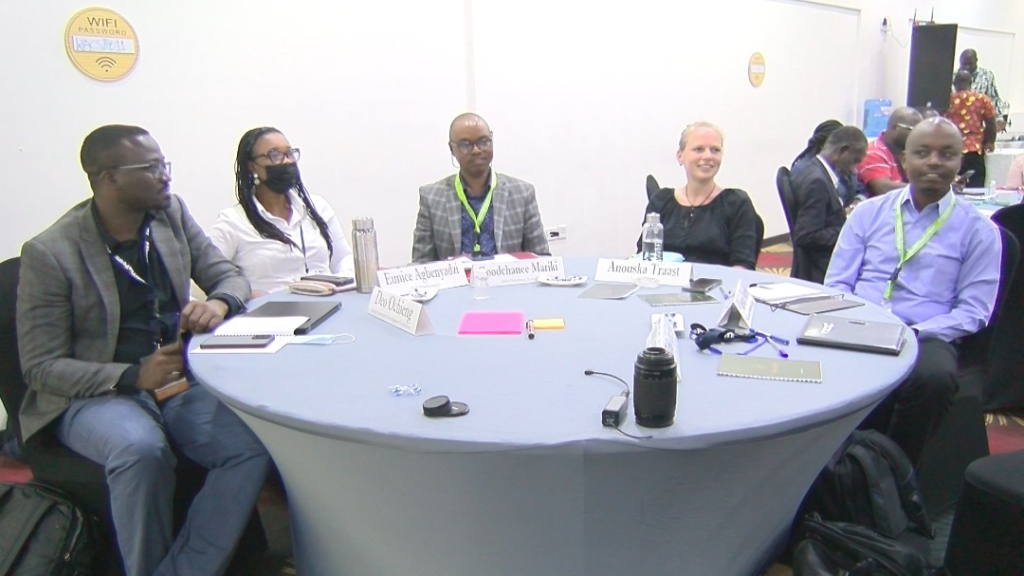
The Workshop brought together Giving for Change partner representatives from Africa, Asia and South America to learn and share ideas on the progress of the programme’s implementation over the past 18 months.
Latest Stories
-
Ghana at the heart of global PR excellence
5 minutes -
Ghana Institute of Architects clarifies position on ARC-ASG dispute amid ongoing case
6 minutes -
NDC supporters storm Fomena constituency office over alleged disqualification of chairman aspirant
9 minutes -
NPA CEO assures tanker drivers of action on welfare concerns
10 minutes -
Karpowership seeks contract extension as Ghana’s power demand grows
12 minutes -
Gender Ministry inaugurates committee to drive early childhood development
14 minutes -
Four Schools, One Crown: Prempeh, Corpus Christi, Mfantsipim and St Augustine’s battle for NIQ trophy
15 minutes -
HIV status cannot be used to deny employment under Ghana law – Ghana AIDS Commission
16 minutes -
Buffer Stock calls for expansion of national storage capacity as it falls below 50,000 metric tonnes
17 minutes -
Central Regional Minister urges use of religious platforms to change environmental, sanitation practices
39 minutes -
Henry Kweku Banning
40 minutes -
Execution of US murderer Christa Pike halted an hour before it was due to happen
42 minutes -
GoldBod generates US$1.87bn in FX in September, exceeds monthly target
45 minutes -
SOE comments controversy: ‘We must never abandon our humanity because of judicial office’ – CJ
55 minutes -
Samuel Kojo Brace declares intention to contest NPP parliamentary primary in Ahanta West
56 minutes