

Audio By Carbonatix
The Bank of Ghana is promising to continue to promote access to an inclusive financial system as by extension broad-based macroeconomic growth through its policy, regulatory, and supervisory tools.
To this end, it will promote the safety and soundness of financial institutions it regulate so that they are better able to provide finance to economic actors on a sustainable basis.
Again, it will monitor the implementation of Ghana’s Sustainable Banking Principles – a set of seven ESG –related principles launched in November 2019 by the Bank of Ghana, Ghana Association of Banks, and the Environmental Protection Agency – which enjoins banks to among other things, promote financial inclusion and gender equity internally and in relation to their products and services to clients.
Others are implementation of a new online reporting and analytics supervisory tool, the enhancement of critical credit market infrastructure such us the credit bureaux-based credit reporting system and ensuring tha regulation of the payments space is supportive of innovation and inclusion by allowing fintechs and other payments system service providers to partner with banks and other licensed financial institutions.
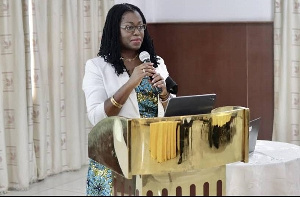
Speaking at the First + Gender Finance Workshop organised by Ghana Microfinance Institutions Network (GHAMFIN) and CapPlus, Second Deputy Governor, Elsie Addo Awadzi called on all stakeholders to get on board and see how best they can all work together to achieve the intended objectives of the First + initiative.
Access to finance for Micro, Small and Medium Enterprises remains a perennial challenge and most surveys including the Bank of Ghana business environment surveys confirm this. Women-owned MSMEs also face an even higher bar to accessing finance.
As of 2017, the World Bank’s Findex Report suggested that there was an 8% gender gap in access to finance in Ghana, and an average of 9% for Africa.
The Second Deputy Governor said the First + initiative is therefore timely and urgent, as part of efforts to help our economy recover from the pandemic and make it more resilient going forward.
“As this initiative focuses on the supply-side of access to finance by aiming to empower financial institutions to provide more products and services for MSMEs in a gender inclusive manner, it is important to understand what the constraints have been for our financial institutions beyond the sources of funding available to them, and how this initiative can address those constraints fully.”
“In addition, we need to also think about what the demand-side constraints have been, so that we can somehow address them to promote effective take-up of gender-inclusive MSME-focused products and services", she noted
Latest Stories
-
2,280 students graduate with B-Tech, M-Tech from Takoradi Technical University
6 minutes -
‘We were trained to serve, not lead’ – Special Prosecutor condemns colonial education legacy
1 hour -
Education must preserve identity and drive innovation – Special Prosecutor
2 hours -
Corruption raises bank risk, weakens diversification benefits, research finds
3 hours -
The Apostolic Church-Ghana bans ‘you may kiss your bride’ during marriage ceremonies
5 hours -
Ɔdadeɛ 95 marks reunion with GH₵200k Solar Project at PRESEC-Legon
5 hours -
AI is the new phase of the digital age, and Africa must be ready or risk being left behind – Dr Bawumia warns at LSE Africa Summit
5 hours -
Ghana’s Gold Reserve Policy Reversal: An Analytical Review of Costs, Timing, and Governance
6 hours -
Joyce Blessing blesses Adom TV Fufu Party patrons with thrilling performance
6 hours -
Toasehene commissions community centre, urges traditional leaders to prioritize development
7 hours -
ECG to replace transformers in parts of Accra to improve power supply
7 hours -
Photos: Two brothers who perished in the tragic Tema aircraft crash laid to rest
7 hours -
Pamela Bridgewater Project urges stakeholders to join outreach programme on teenage pregnancy
8 hours -
Shot on duty: A Ghanaian journalist’s five-year struggle for recovery
8 hours -
Rainstorm rips off Kassena-Nankana West District block
8 hours