

Audio By Carbonatix
Chief Medical Laboratory Scientist and Laboratory Manager at the National Cardiothoracic Centre of the Korle Bu Teaching Hospital, Odelia Tamakloe, has urged Ghanaians to embrace routine medical screening and preventive healthcare to reduce the growing burden of non-communicable diseases in the country.
According to her, many people continue to live with serious health conditions such as hypertension and diabetes without knowing their status because they rarely visit health facilities for regular check-ups.
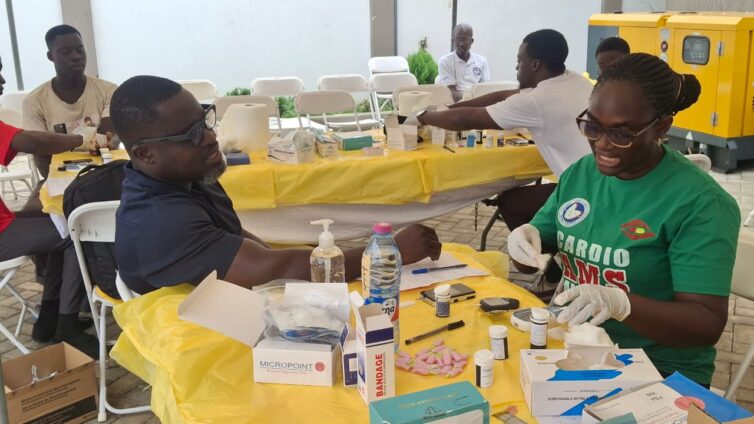
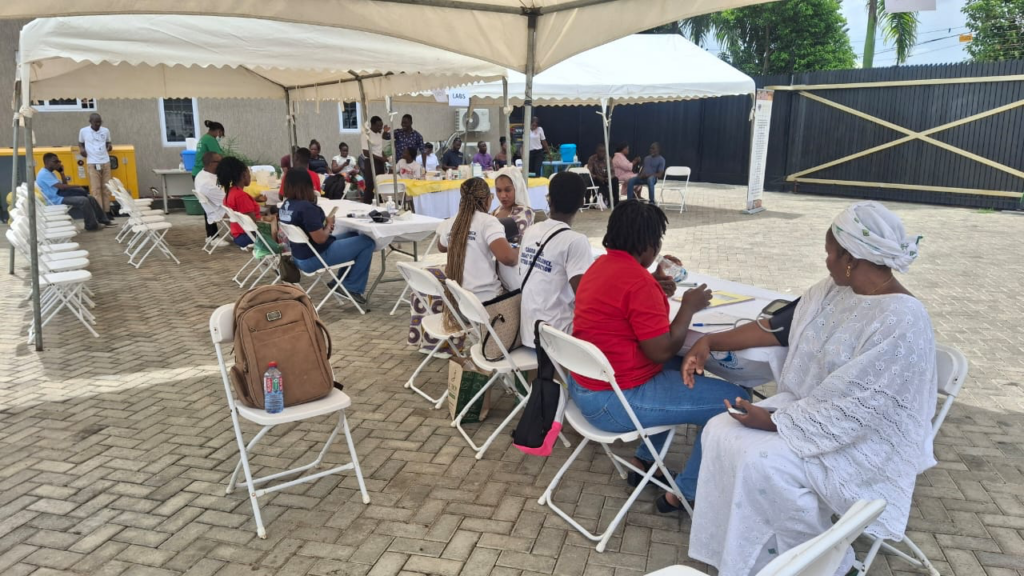
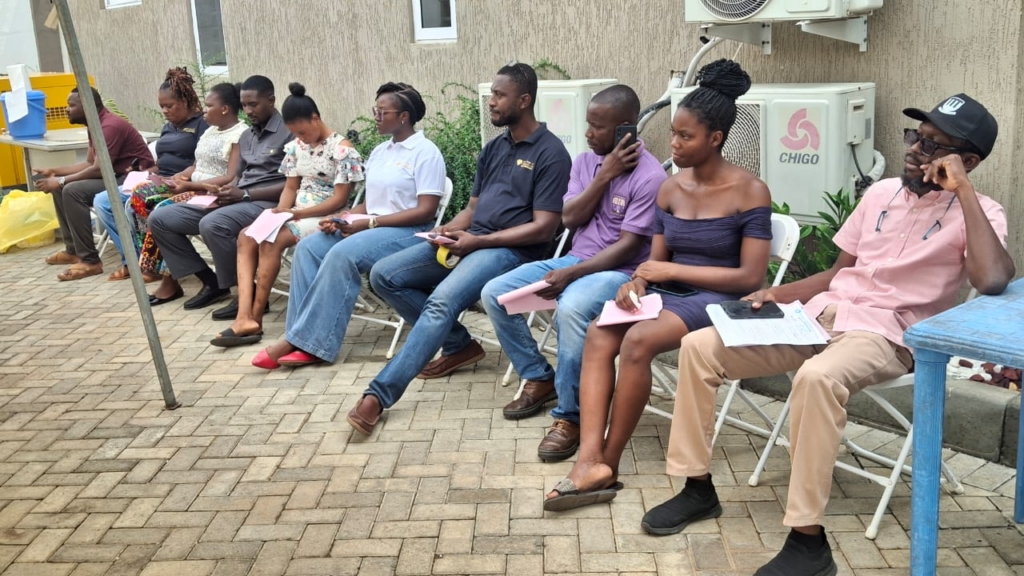
She made the call after a day-long free health screening exercise organised by the National Cardiothoracic Centre for staff of Quantum LC and residents of New Achimota in Accra.
The outreach programme, held last Friday under the theme, “Early Detection, Better Health, Brighter Tomorrow,” benefited about 150 people and formed part of the Centre’s corporate social responsibility and appreciation to partners who support its operations.
Ms Tamakloe explained that the National Cardiothoracic Centre serves not only patients in Ghana but also people referred from other African countries, including Nigeria, Cameroon, and Togo, for specialised heart-related surgeries and treatment.
She noted that because cardiothoracic surgeries are expensive, the Centre relies heavily on support from corporate organisations and partners who donate medical equipment, sponsor surgeries, and contribute to healthcare delivery.
“We have partners who support us with equipment, machines, and sponsorship for surgeries. Quantum LC is one of the organisations that has supported us, so this outreach is also our way of giving back and appreciating their contribution,” she said.
She said that other corporate organisations, including Kasapreko Company Limited, have partnered with the Centre over the years to support healthcare interventions.
Ms Tamakloe said the screening exercise focused on the early detection of conditions that are often silent but potentially life-threatening if left untreated.
The medical team screened participants for haemoglobin levels to detect anaemia, cholesterol levels to assess cardiovascular risk, blood glucose levels to identify diabetes and pre-diabetic conditions, and prostate cancer among men through Prostate-Specific Antigen (PSA) testing.
According to her, the team also assessed participants with known diabetes to determine whether their conditions were being properly managed.
“For some people, this was the first time they were checking their health status. Others who recorded abnormal or critical values were immediately referred to doctors for further assessment, while some have been scheduled for follow-up investigations at Korle Bu,” she explained.
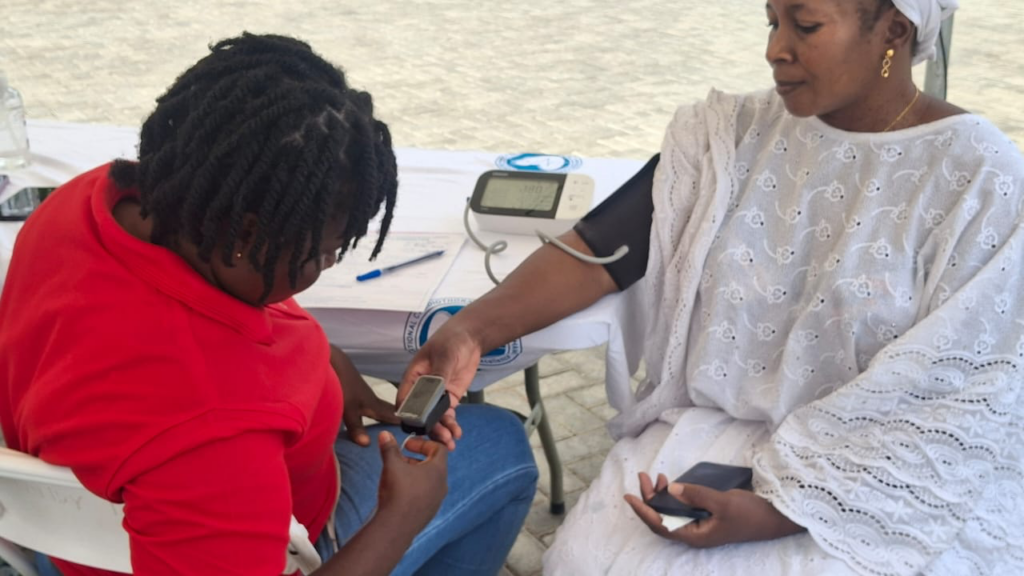
She stressed that hypertension remains one of the biggest hidden health threats because many people do not realise they have the condition until complications arise.
“Hypertension is a silent disease. Some of the people we screened had high blood pressure and were completely unaware of it. That is why routine screening is very important,” she cautioned.
Ms Tamakloe expressed concern about what she described as poor health-seeking behaviour among many Ghanaians, noting that people often take pride in avoiding hospitals rather than prioritising preventive care.
“People usually say they have not visited the hospital for years as though it is something to celebrate. But just as people buy clothes, phones, perfumes, and cars for themselves, they should also invest in their health by going for regular medical screening,” she advised.
She further encouraged the public to adopt proactive rather than reactive healthcare practices by knowing their medical baseline through routine screening.
“When you know your baseline health status, it becomes easier to monitor changes over time. If values are borderline, doctors can monitor you routinely before the condition worsens. We should stop being reactive and become proactive about our health,” she said.
The screening exercise formed part of the National Cardiothoracic Centre's broader efforts to promote preventive healthcare and raise awareness of the importance of early detection in reducing the impact of non-communicable diseases in Ghana.
Latest Stories
-
Newsfile to discuss EOCO-MP arrest, drug trafficking, speech arrests and $235m water debt
2 minutes -
JoyNews gets results as listeners raise GH¢40,000 to help 17-year-old student with cerebral palsy attend SHS
30 minutes -
Vice President calls for stronger local pharmaceutical production to reduce medicine imports
45 minutes -
The brewing tension at KNUST; Beware the Ides of October….
1 hour -
Health Ministry moves to integrate traditional medicine into mainstream healthcare
2 hours -
550 pupils in Kintampo South get educational lifeline as ‘Seeds of Hope’ reaches farming communities
2 hours -
Opoku Mensah urges Christian Council, House of Chiefs to speak up on democratic freedoms
2 hours -
Teacher unions’ strike: Minority demands immediate payment of teacher arrears, 20% deprived area allowance
2 hours -
The Accra-Kumasi Expressway: Building it right
2 hours -
Beyond gold exports: Building value and economic resilience from Ghana’s gold
3 hours -
2027 AFCONQ: Ghana under pressure as Gambia beat Somalia 2-1
3 hours -
Eastern NPP Women’s Organiser calls on AG, Police to secure bail for Salomey Baffoe
3 hours -
Poverty, illiteracy driving acceptance of vote-buying among women – Damongo Queen Mother
3 hours -
Photos: Democracy Is Not For Sale forum in Savannah region
3 hours -
GNFS launches 2026/27 National Anti-Bushfire campaign in Atebubu, records 62.8% reduction in bushfire cases
4 hours