

Audio By Carbonatix
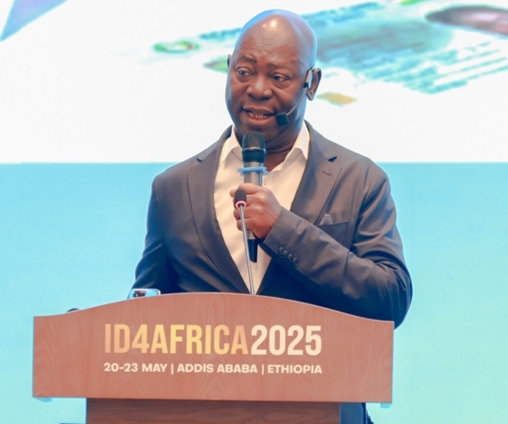
The CEO of Margins ID Group, Moses Kwesi Baiden Jr., has outlined the impact of Ghana’s national biometric ID system—the Ghana Card—on the country’s healthcare sector.
Speaking at the ID4Africa 2025 summit in Addis Ababa, Ethiopia, during a session focused on digital identity and public service delivery, Mr. Baiden described how the Ghana Card is being used to improve efficiency and reduce costs in healthcare.
According to Baiden, the integration of the Ghana Card into the healthcare system has allowed the government to eliminate the need for separate National Health Insurance Scheme (NHIS) cards. This consolidation, he said, is saving the government millions of dollars annually by streamlining identity verification and reducing instances of healthcare fraud.
The Ghana Card, a legally mandated biometric identity document, has now been issued to over 98% of the adult population, with efforts ongoing to register children. Baiden said that more than 200 million biometric verifications have been processed through the system so far.
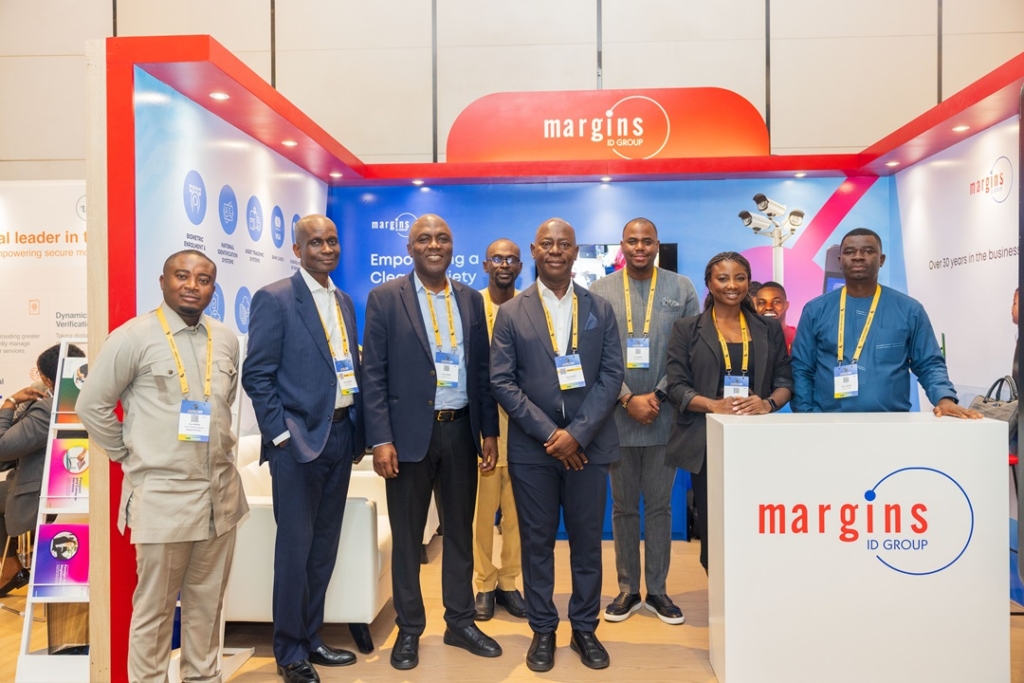
Margins ID Group, a private Ghanaian company, was one of only two African firms represented at this year’s summit. Through its subsidiaries, Identity Management Systems (IMS) and Intelligent Card Production Systems (ICPS), it partnered with the National Identification Authority (NIA) to develop and roll out the card.
In his address, Baiden argued that a single, integrated identity system is essential for digital governance and development. He pointed to the card’s application beyond healthcare, including its use in banking, education, and government services, as evidence of its broader value.
He also called for greater inclusion of African-developed digital identity solutions in global discussions, stating that Africa should not be seen only as a market but also as a source of innovation.
The ID4Africa summit, held annually, brings together identity authorities, technology providers, and policymakers from across the continent. As African countries work toward the UN Sustainable Development Goal 16.9—to provide legal identity for all by 2030—Ghana’s experience with the Ghana Card was presented as one possible model for others to examine.
Baiden stressed that the success of identity systems should be measured not just by technical achievements but by their ability to deliver tangible benefits to society.
Latest Stories
-
A source of excellence across generations – Vice President Opoku-Agyemang lauds Mfantsipim
21 minutes -
(Photos) Mfantsipim School launches historic 150th anniversary
45 minutes -
Knights and Ladies of Marshall group backs Catholic Bishops’ stance on anti-LGBTQ+
2 hours -
Bright Simons writes: All the Filla in the Ibrahim Mahama/E&P – Gold Fields Saga
2 hours -
Monetise Idiocy In Ghana
2 hours -
The Ghanaian prophet and the mysterious death of his scottish wife Charmain Speirs
3 hours -
Nearly 400 sentenced in Nigeria for links to militant Islamists
3 hours -
Ghana’s recovery supported by gold strength despite global oil price pressures – Standard Bank Research
3 hours -
Methodist Church hails Mfantsipim@150; calls for “fresh consecration” to excellence
4 hours -
‘Excellence is our inheritance’ – Nana Sam Brew-Butler hails Mfantsipim’s 150-year reign in leadership
4 hours -
Kwaku Azar writes: A-G vs OSP
4 hours -
Mfantsipim–Adisadel rivalry built excellence, not division – Sam Jonah
4 hours -
Vice President launches Mfantsipim’s 150 years of shaping Ghana’s greatest mind
5 hours -
I assure Otumfuo, Mahama will join him to commission KNUST Teaching Hospital by end of this year – Haruna Iddrisu
5 hours -
Barcelona dominate derby to extend La Liga lead
6 hours