

Audio By Carbonatix
Ghana is on the frontlines of the climate crisis. Across the northern regions, rising temperatures, prolonged droughts, and erratic rainfall are forcing farmers to abandon their lands in search of survival.
Many migrate south to cities like Accra and Kumasi, hoping to rebuild their lives but their movement is creating new challenges for both the environment and society.
Climate Migration: A Struggle for Survival
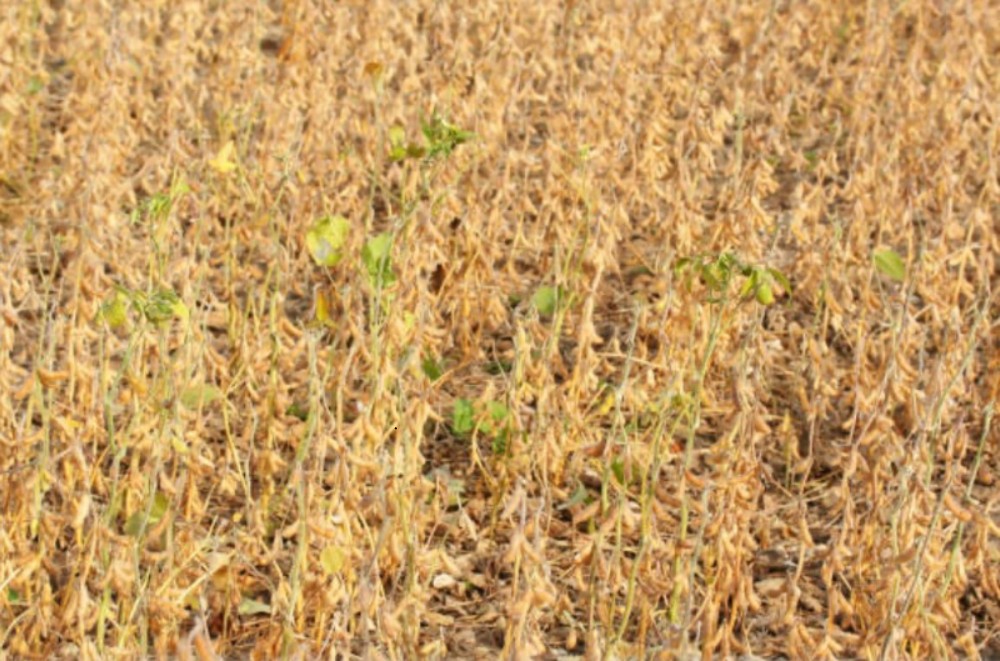
In the north, farmlands that once thrived now lie barren. Rivers and dams have dried up, and crop yields have plummeted, leaving thousands of families food insecure.
For many, migration has become the only option.
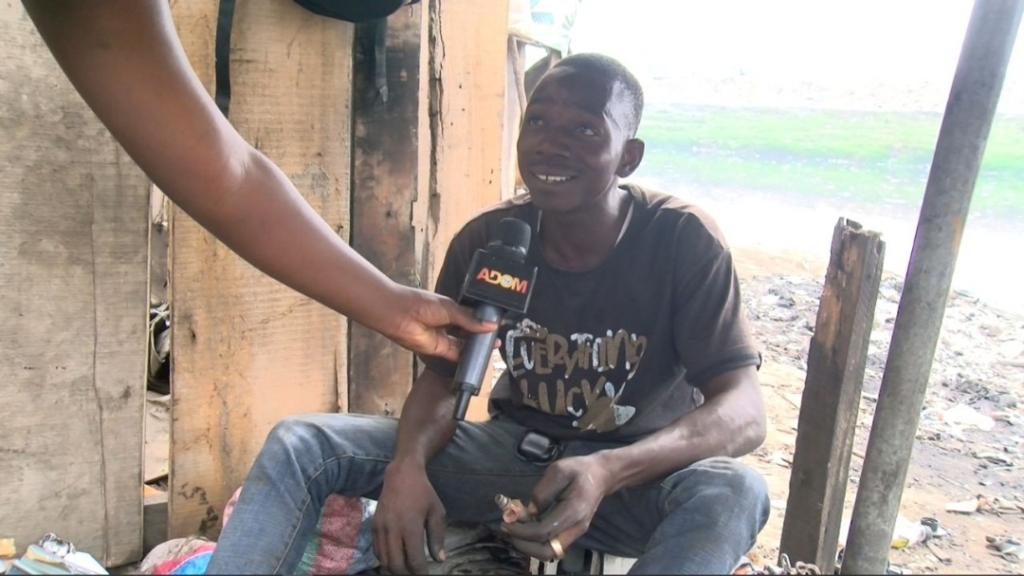
Yet, as they move south, the story doesn’t end in prosperity. Migrants often find themselves in the informal sector scavenging, carrying loads, or working as scrap dealers to make ends meet.
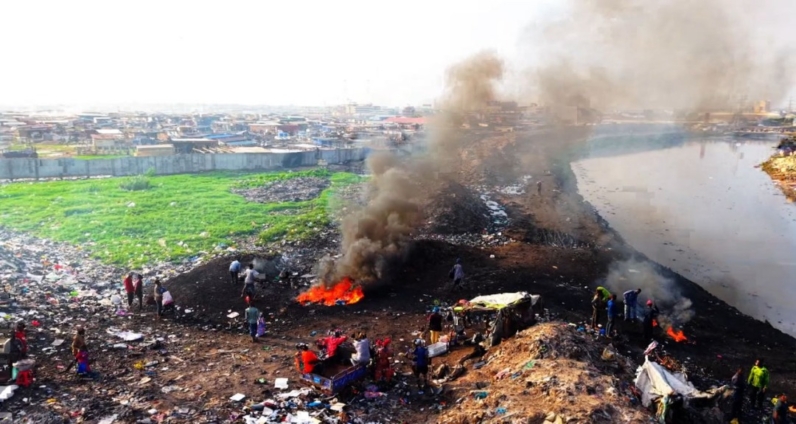
At Agbogbloshie, one of the world’s most notorious electronic waste dumps, hundreds of young men from northern Ghana burn metal scraps daily to extract copper and aluminium. Ironically, their search for income contributes further to greenhouse gas emissions, worsening the same climate change that displaced them.
Farmers Losing the Battle Against Drought
According to Charles Nyaaba, CEO of Akuafo Nketewa Company Limited and member of the Peasant Farmers Association, climate unpredictability is crippling northern agriculture.

“Last year, many farmers planted maize full of hope,” he explained. “Then came a two-to-three-month drought that dried everything. Later, heavy rains in August washed away what little survived.”
Nyaaba says that for two consecutive years, erratic rainfall has destroyed livelihoods across the Northern and Savannah regions. He believes the solution lies in investing in irrigation systems, particularly the Pwalugu Multipurpose Dam, which he says could sustain more than 60% of young people who currently migrate south.
Climate Change Fuels Rural–Urban Migration
Data from the Green Africa Youth Organisation (GAYO) confirms the link between climate change and migration in Ghana.
Its Executive Director, Richard Martey, says about 10% of internal migrants move south primarily because of climate-related factors.
“People are moving not just from the north but also from neighbouring countries like Niger and Mali,” Martey revealed. “High temperatures and poor rainfall are destroying crops, leaving families with no choice.”
He emphasised the need for climate-smart agriculture, alternative livelihoods, and awareness creation to reduce vulnerability and limit forced migration.
Government and Partners Respond with Sustainable Solutions
The Minister for Food and Agriculture, Eric Opoku, recently announced a partnership with the Canadian High Commission, led by H.E. Myriam Montrat, to help tackle the water crisis in the north.
Through this initiative, 25 solar-powered boreholes will be installed across the Northern, Savannah, and Upper West Regions.
Ten of these boreholes are already operational, providing water for irrigation and year-round vegetable production.
Feasibility studies have also been completed for 15 additional communities, with installation set to begin between December 2025 and February 2026.
These systems are expected to provide reliable water access and reduce climate-induced migration by supporting local farming livelihoods.
A Call to Action for a Climate-Resilient Ghana
The climate crisis in Ghana is more than an environmental issue; it’s a human story.
From the drought-stricken farms of the north to the smoky scrapyards of the south, lives are being reshaped by the climate emergency.
But there’s hope. With climate adaptation policies, sustainable agriculture, and collective action, Ghana can turn this crisis into an opportunity for resilience and reform.
This story is in partnership with CDKN and the University of Ghana C3SS with funding from CLARE R4I Opportunities Fund.
Latest Stories
-
Ghana to mark Africa Safer Internet Day on February 10
28 minutes -
‘A Tax For Galamsey’: Dr Manteaw warns NDC against shielding ‘galamsey’ DCEs
2 hours -
When a TV is not a vote but the Gospel according to the television set
2 hours -
Ghana can significantly expand domestic revenue without raising tax rates -UGBS Finance Professor
2 hours -
Policeman killed in bloody robbery on Zebilla–Widnaba road
2 hours -
Cedi under seasonal pressure as Q1 demand intensifies; one dollar equals GH¢11.80 at forex bureaus
2 hours -
Roads Minister rejects Minority’s claim of downgrading Suame Interchange Project
3 hours -
Eco-Africa Network demands dismissal of culpable officials in explosive JoyNews exposé
3 hours -
Ayawaso East vote-buying: Party will take decision after committee findings – NDC
3 hours -
Ayawaso Zongo Chiefs warn of possible chaos if NDC annuls disputed primary
3 hours -
I didn’t see failure as an option: Chicago Fire forward Shokalook
3 hours -
TI-Ghana condemns alleged vote-buying in Ayawaso East NDC primary
3 hours -
Karim Zito resigns as Asante Kotoko head coach following MTN FA Cup elimination
3 hours -
“Is your cell phone bugged?” Why privacy may be an Illusion in the age of smart devices
4 hours -
Politicians will soon distribute Range Rovers – Dr Asah-Asante warns over vote-buying
4 hours