

Audio By Carbonatix
A World Health Organization scientist said Covid-19 comes from bats and can infect cats and ferrets, but more research is needed into the suspected animal link to the disease.
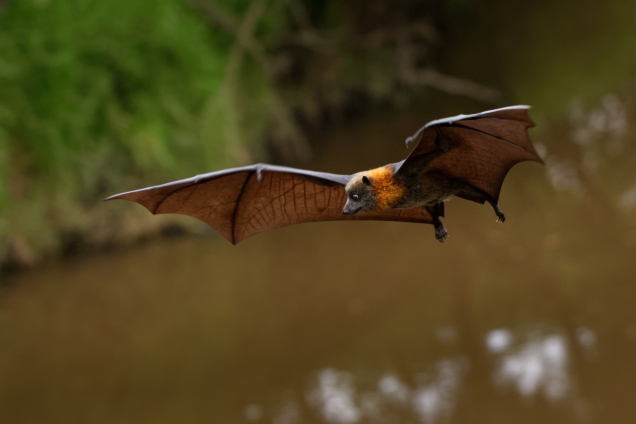
The novel coronavirus comes from a group of viruses that originate or spread in bats, and it’s still unclear what animal may have transmitted the disease to humans, Peter Ben Embarek, a WHO expert in animal diseases that jump to humans, said Friday in a briefing with reporters.
The virus probably arrived in humans through contact with animals raised for food supply, though scientists have yet to determine which species, he said. Studies have shown that cats and ferrets are susceptible to Covid-19, and dogs to a lesser extent, he said, adding that it’s important to find out which animals can get it to avoid creating a “reservoir” in another species.
Questions about the origin of Sars-CoV2, the virus that has caused the pandemic, have burned hotter since U.S. President Donald Trump suggested that it came from a lab in China. Scientists who have studied the issue maintain that the virus originated in an animal, and probably entered the human population in November.
The first human cases were detected in and around Wuhan, and most people had contact with the animal market, though not all, Ben Embarek said. The WHO intended to spend more time investigating the virus’s animal origin on an earlier mission to China, Ben Embarek has said. The lockdown of Wuhan, the region in central China where the pandemic originated, made that impractical, he said.
Trump has doubled down on claims that the Chinese mistakenly released the virus from the laboratory as the outbreak in the U.S. has grown to become the world’s largest and deadliest. Chinese officials have said that the U.S. has no evidence to back up those claims and called the allegations a blame game.
Latest Stories
-
Gov’t cuts fuel taxes, deploys buses to curb impact of rising fuel prices
2 minutes -
Interior Minister calls for intelligence-driven strategy as Ghana strengthens counter-terrorism efforts
3 minutes -
Adenta Circuit Court remands Pastor William Gyimah over viral threats against Vice President
48 minutes -
“We’ve implemented changes to prevent a repeat of the AFCON final” – CAF President Motsepe
51 minutes -
Gov’t orders deployment of Metro Mass buses to cushion commuters amid fuel price hike
2 hours -
Key Indian state polls begin in test for Modi’s party
2 hours -
Playback: Gomoa Easter Carnival in photos
2 hours -
Gov’t orders removal of fuel taxes to ease pump price hikes
2 hours -
“Whatever the decision of CAS, we will respect it” – CAF President Motsepe after AFCON final meetings in Morocco
2 hours -
Emma Ankrah: When waiting becomes part of treatment – Reflections on hospital care
2 hours -
Ghana urges travellers to prepare for new EU border system roll-out
3 hours -
Mahama enforces fuel coupon ban for ministers as cabinet moves to slash fuel taxes
3 hours -
Task force probes strange fish deaths in Tema
3 hours -
Neglected traffic lights turn Awoshie–Anyaa highway into deadly hotspot
3 hours -
EOCO declares Dr Gabriel Tanko Kwamigah-Atokple a fugitive over alleged gold fraud
3 hours