


Audio By Carbonatix
The Country Director of ActionAid Ghana, Mr John Nkaw has voiced serious concerns over the escalating incidents of violence against women and girls in Ghana.
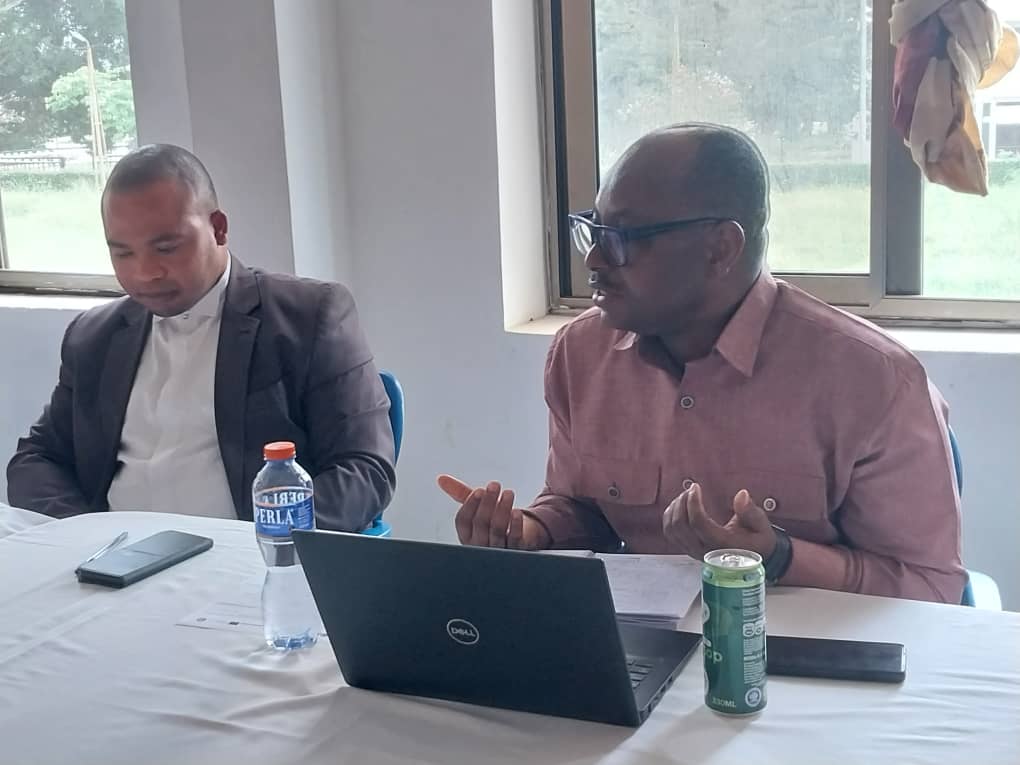
Speaking during a recent dialogue organised by the Volta Regional Coordinating Council, ActionAid Ghana, and the Gender Department, Mr Nkaw highlighted the urgent need for comprehensive measures to tackle this pervasive issue.
The event brought together lawyers and workers of the judicial service to foster a collaborative approach towards addressing gender-based violence. Mr Nkaw's remarks underscored the gravity of the situation, pointing to alarming data from various institutions that paint a grim picture of the state of violence against women and girls in the country.
Alarming statistics on Gender-Based Violence
According to a report by the Domestic Violence and Victim Support Unit (DOVVSU) of the Ghana Police Service, there were over 12,000 reported cases of domestic violence in 2022, with a significant proportion involving women and girls.
Additionally, data from the Ghana Health Service reveal that sexual violence remains a critical issue, with an estimated one in three women experiencing some form of sexual violence in their lifetime.
Mr Nkaw emphasised that these figures likely represent only a fraction of the actual prevalence, as many cases go unreported due to stigma, fear of reprisal, and lack of trust in the justice system.
He stressed the need for more robust data collection and analysis to fully understand the scope of the problem and to develop targeted interventions.
Legal and social interventions
The dialogue highlighted the crucial role of the judicial system in addressing gender-based violence. Lawyers and judicial workers discussed the challenges they face in prosecuting cases of violence against women, including insufficient evidence, reluctance of witnesses to testify, and lengthy legal processes that deter victims from seeking justice.
Mr Nkaw called for the strengthening of legal frameworks to protect women and girls, including the full implementation of existing laws such as the Domestic Violence Act and the Human Trafficking Act. He also advocated for increased funding for specialized units within the police and judiciary that handle gender-based violence cases, as well as training for law enforcement officers and judicial workers to handle such cases with sensitivity and urgency.
The role of community and advocacy groups
The dialogue also sheds light on the vital role of community and advocacy groups in combating violence against women. ActionAid Ghana, in collaboration with other non-governmental organizations, has raised awareness about gender-based violence through campaigns, education programs, and community engagement initiatives.
Mr Nkaw urged community leaders, religious institutions, and civil society organizations to join forces in creating a culture of zero tolerance toward violence against women. He highlighted the importance of education in changing societal attitudes and empowering women and girls to stand up against abuse.
A call to action
In his closing remarks, Mr Nkaw reiterated that the fight against gender-based violence requires a collective effort from all sectors of society. He called on the government to prioritize the issue and allocate adequate resources to combat it effectively. He also appealed to the international community for funding, expertise, and advocacy support.
"The increase in violence against women and girls is not just a women's issue; it is a human rights issue that affects the entire society," Mr Nkaw stated. "Ghana has a lot to do in addressing this problem, and it is time for us all to take a stand and make a difference."
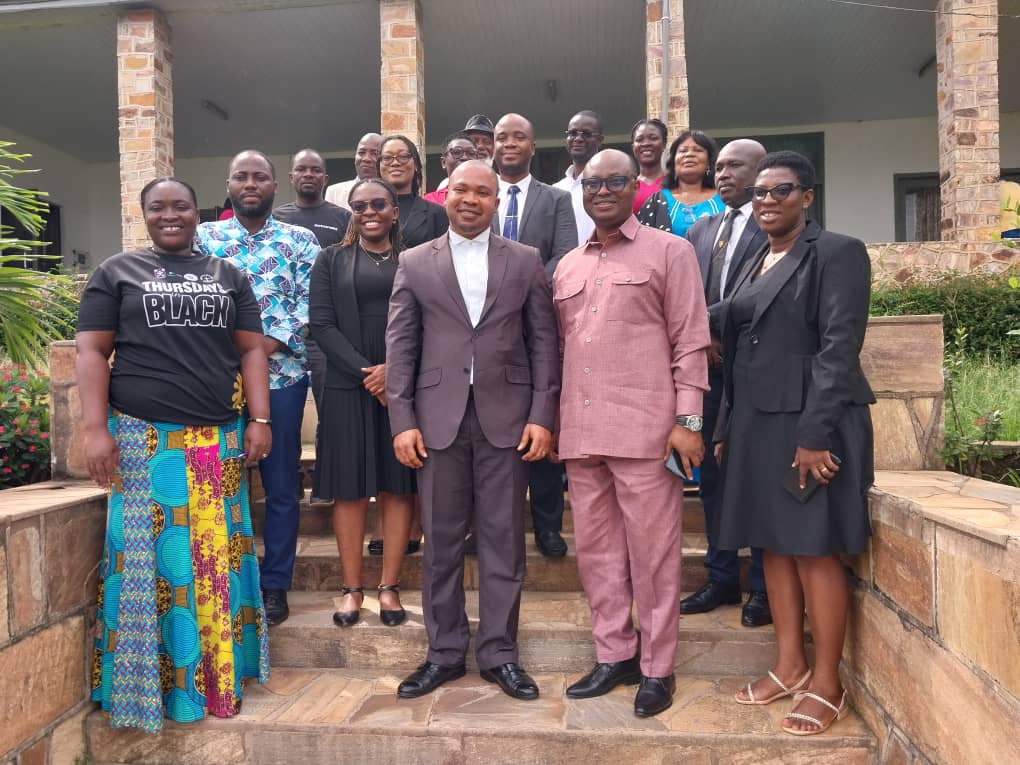
The dialogue concluded with a renewed commitment from all participants to work together towards ending violence against women and girls in Ghana. The collaborative efforts of the judicial service, government agencies, community organizations, and advocacy groups will be crucial in creating a safer and more equitable society.
The dialogue was supported by ActionAid Transformative Action Against Gender Equality (TAGE) project and funded by the European Union.
Latest Stories
-
Ghana to honour Christina Hammock Koch for historic Artemis II mission
19 minutes -
Supreme Court appointments require more than 15 years’ experience – Justice Adjei-Frimpong
36 minutes -
Fire destroys 3-bedroom house at Bogyawe
59 minutes -
Why the Supreme Court is a “policy court” – Justice Richard Adjei-Frimpong breaks it down
1 hour -
Playback: The Law discussed Supreme Court @150
2 hours -
MTN Momo staff walk to promote wellness and fitness
2 hours -
Assafuah: Sedina Attionu’s return from Nevada will test government’s commitment to accountability
3 hours -
How GRA’s Modified Taxation Scheme is boosting revenue compliance & SMEs competitiveness
3 hours -
Stonebwoy Can Do It: A call to unite behind 2026 BHIM Fest
3 hours -
World Shea Expo returns to Tamale for 2026 edition
3 hours -
Prioritise cocoa sector with better prices, timely payments-Annoh-Dompreh urges NDC
4 hours -
Lands and Mines Watch Ghana endorses Heath Goldfields’ mining capacity
4 hours -
Gbintiri residents protest alleged diversion of 24-hour market project
4 hours -
Justin Bieber headlines Coachella with nostalgia-fuelled set
4 hours -
Ukraine and Russia accuse each other of hundreds of ceasefire violations
5 hours