

Audio By Carbonatix
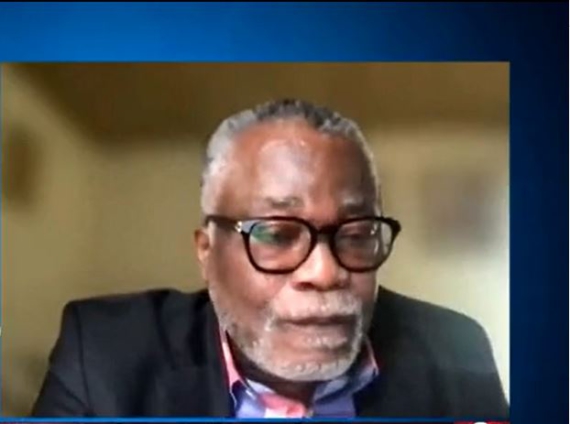
An international conflict resolution expert, Col. (Rtd.) Festus Aboagye says the reasons behind the coups in neighbouring countries are contagious and likely to spread easily.
Speaking to Samson Lardy Anyenini on Newsfile on Saturday, he explained that the likelihood of the coups to spread is high, “especially if the conditions are right.”
“First of all, what is going on is a contagion; forget that the UN Secretary-General called it an epidemic, and a contagion can spread in all manner of ways,” he said.
This comes after a series of coups in countries like Mali and Guinea, within a year.
Currently, Burkina Faso has followed the trend with its military seizing power. The military leader Lieutenant Colonel Paul-Henri Damiba, together with some mutinies, deposed President Roch Kabore.
The coup was due to deepening anger about Kabore’s response to violence by armed groups.
Commenting on these happenings, the former military official said factors and circumstances that led to military coups in other West African democratic states exist in Ghana, although with different context-specificities.
He, therefore, urged government must put stringent measures to deal with the grievances of agitated groups and individuals.
Rtd Col Aboagye further cautioned Ghanaians to be concerned about the trends of coups happening in other African countries.
“We could find some of the grievances that have been used in other countries in our own country, and therefore we need to be very concerned.
"Corruption is here, as in Mali, Guinea and Burkina Faso. Political influence on the security services in those countries are also present in our own country. It involves civil-military relations; for instance, about dismissing officers, promoting officers and so on are all here," he stressed.
He suggested that the growing social-economic challenges in the country ought to be addressed to prevent such coups in the country.
“All of us need to be worried. I belong to the school of thought that you don’t fight terrorism with only guns and bullets. Indeed, it will be more productive to address some of the socio-economic inequalities.”
Meanwhile, the Faculty of Academic Affairs and Research director at the Kofi Annan International Peacekeeping Training Centre (KAIPTC), Prof. Kwesi Aning, is predicting a couple of coup d'états in the West African Region.
This, he said, is a result of the trajectory of extreme violence and the toxicity in politics such as excessive corruption, unemployment, poor educational system and other underlying factors of political instability present in most West African countries.
Latest Stories
-
GPRTU in Savannah Region to protest alleged eviction in Damongo
23 minutes -
Re: Reinsurance does not replace process — A response to the SIGA–SIC defence
37 minutes -
Gender Ministry supports Harriet Amuzu in ongoing abuse case
50 minutes -
AG joins plaintiff to scrap OSP ?: We should be mindful of the mischief in this – Bobby Banson
56 minutes -
Samson Lardy Anyenini questions willingness of Attorneys-General to prosecute political colleagues
59 minutes -
It is only fair the OSP is heard in Supreme Court case – Bobby Banson
1 hour -
Asiedu Nketia resumes Ashanti tour, second leg kicks off on Sunday
1 hour -
NLA denies salary cut claims, threatens legal action over reports
1 hour -
BoG Governor honoured for stabilising cedi, improve inflation
1 hour -
Kyebi Easter Homecoming 2026: A resounding success!
2 hours -
Trade Minister applauds GUTA as a pillar of economic growth; Prez Mahama honoured
2 hours -
President’s brother’s takeover of Damang Mines is ‘untidy’ – Alhassan Tampuli
2 hours -
It’s not true that gov’t decided not to renew the lease for Gold Fields – Bobby Banson
2 hours -
Ghana to boost tomato production with 60-hectare irrigated farms and processing initiatives
3 hours -
E&P’s takeover process of Damang Mines was very clean – Inusah Fuseini
3 hours