

Audio By Carbonatix
History isn’t a dusty archive. It lives in the names we place on roads, schools, airports and monuments.
These markers aren’t just labels; they broadcast values to citizens, visitors, and especially to our children growing up, trying to understand who we are.
That’s why the debate over renaming Kotoka International Airport matters so much.
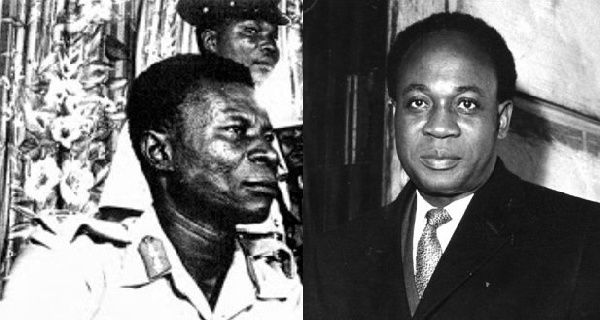
We celebrate Kwame Nkrumah as Ghana’s greatest president, a leader of independence, a visionary for African unity.
Across the continent, he’s lauded as one of the most influential Africans of the last millennium.
Yet at the same time, we honour Emmanuel Kotoka, a key figure in the military coup that overthrew Nkrumah in 1966, by naming our main international gateway after him.
Ask yourself: How does that square with our professed love of democracy?
How can we teach young Ghanaians that democratic governance is our core value when one of the first things visitors see on arrival is a celebration of someone who helped dismantle our first constitutional government?
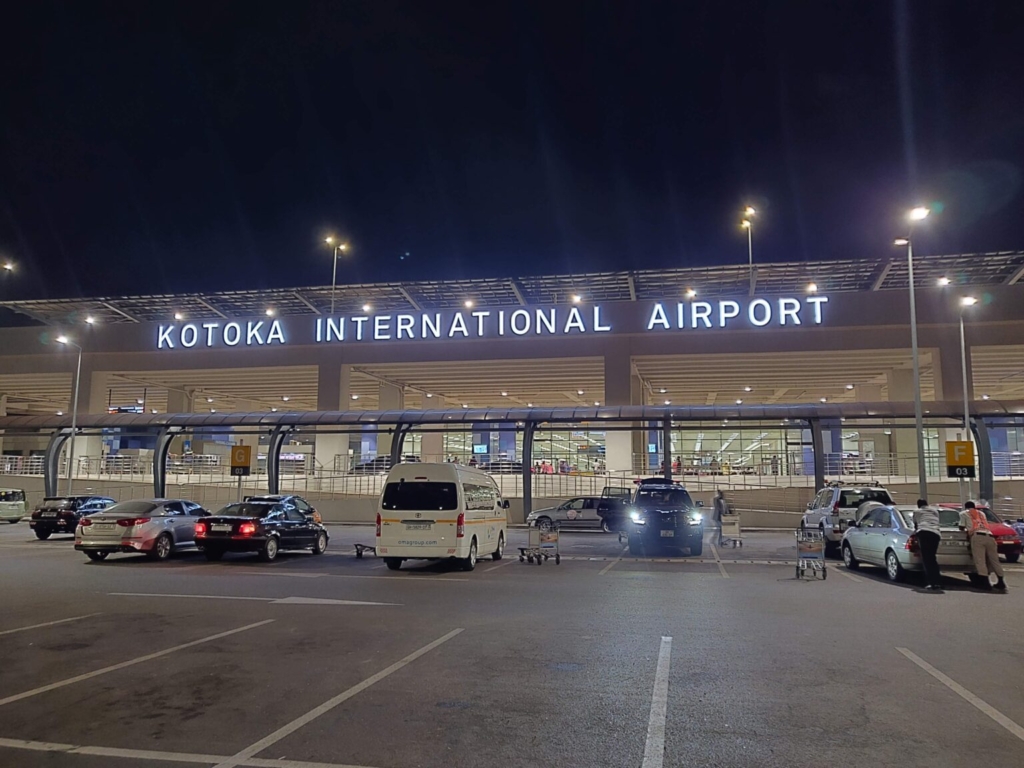
Monuments and names are chosen for effect. They tell a story about what we admire, what we want others to know about us.
Naming our airport for someone associated with a coup is not a neutral historical footnote: it is a statement. And that statement clashes with the narrative we claim to hold dear.
Is Kotoka a hero? If he is, why? By what measure of heroism – strategic, moral, democratic – do we elevate him above others?
If he is not a hero, then why should everyone who enters Ghana be greeted with his name, prompting the inevitable question: “Who is Kotoka?” Only for the answer to be, “He overthrew Nkrumah”?
And here’s where it gets deeper: our own cultural logic already tells us that names carry weight.
In many Ghanaian traditions, children are named after ancestors, events, virtues, or aspirations.
A name is a blessing, a memory, a legacy. We don’t give a child a name that honours someone dishonourable — that could bring confusion or bad omen into the family.
Public monuments should follow the same logic. If we wouldn’t name a child after someone whose actions we regret, then why name a national asset after them?
We are teaching the next generation and, signalling to the world, something contradictory: that we hate coups, yet we are comfortable celebrating a coup maker in one of the most prominent ways conceivable.
That confusion isn’t just intellectual, it’s moral and symbolic.
This isn’t about erasing history. It’s about choosing which parts of history we elevate and why.
History can be taught without enshrining every actor in our physical landscape.
We can remember Kotoka in history books, in academic discourse, in balanced curricula, without making his name the banner under which visitors and returning citizens enter our nation.
If we truly value democracy and the legacy of leaders like Nkrumah, as we say we do, then it’s time to align our symbols with those values.
Renaming Kotoka International Airport isn’t an erasure of history; it’s an affirmation of the Ghana we want to be: democratic, consistent, purposeful, and clear about who we honour and why.
If we can’t commit to that, then perhaps the confusion is real. And perhaps that’s the problem we need to confront.
Latest Stories
-
Power restoration fault suspected in Kumasi Central Market fire
2 hours -
The 7-foot giant of Ngleshie Amanfro: Seven-foot Ghanaian Ephraim Saawa dreams of joining the national basketball team
3 hours -
Government promises support for Kumasi Central Market fire victims
3 hours -
Vibes The Movie: Big Ghun’s Ghanaian film earns five nominations at 2026 REFFA
4 hours -
MamaCare CEO warns unresolved conflicts among health workers could undermine maternal and neonatal care
4 hours -
Health professionals urged to translate medical knowledge into practice to save mothers
4 hours -
Conflicts among care providers linked to maternal, neonatal deaths – Expert
6 hours -
GIS marks 10th TIME conference, champions improved teaching practices
6 hours -
BRICS Or Balance? What Ghana’s bid really means
6 hours -
GPRTU wants full TRAFFITECH-GH implementation to start in 2027
7 hours -
Mahama announces plans to import electric wheelchairs for PWDs
7 hours -
KGL U17 Colts 2026: Western beat Prempeh Elite Academy to set up final final with Greater Accra Region
7 hours -
Late Solanke strike salvages 10-man Spurs draw at Man United
7 hours -
Gender Ministry to monitor welfare of Nana Akua Addo’s children amid domestic violence case
7 hours -
Benedict Okyere Yeboah: Ghana’s football problem goes beyond sacking a coach
7 hours