

Audio By Carbonatix
Stakeholders at a high-level dialogue in Tamale have called for urgent investment and stronger policy alignment to scale up agroforestry across Ghana as part of efforts to combat climate change, land degradation and rural poverty.
The engagement, organised under the Agroforestry Technical Working Group (ATWG), followed a three-day mission to the Northern and Savannah Regions, where participants observed ongoing agroforestry and land restoration initiatives.
The dialogue, held at the Modern City Hotel in Tamale, brought together policymakers, development partners, traditional authorities, technical experts and farmers to discuss strategies for integrating trees into farming systems to improve climate resilience and food security.
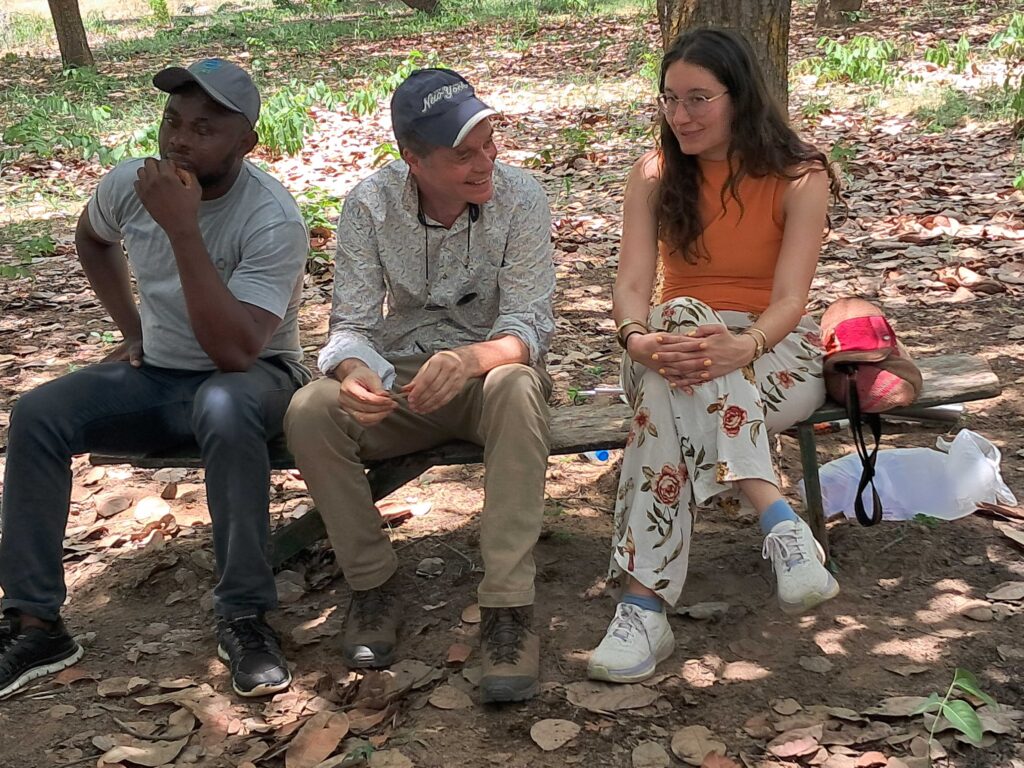
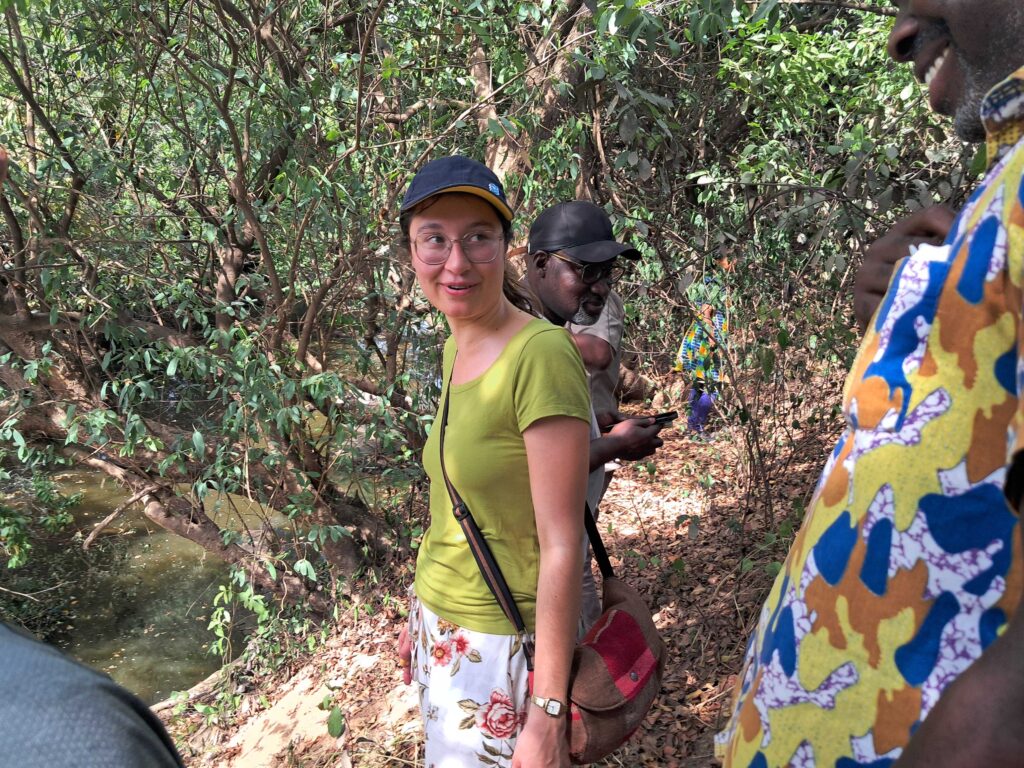
Before the dialogue, the 16-member ATWG undertook field visits to several project sites. On the first day, the delegation visited Yendi in the Northern Region, where activities were led by Tree Aid Ghana.
On the second day, the team toured Damongo, Soalepe, Attributu, Murugu–Mognori and the Mole National Park in the Savannah Region, with activities coordinated by Green for Change Ghana and other ATWG member organisations.
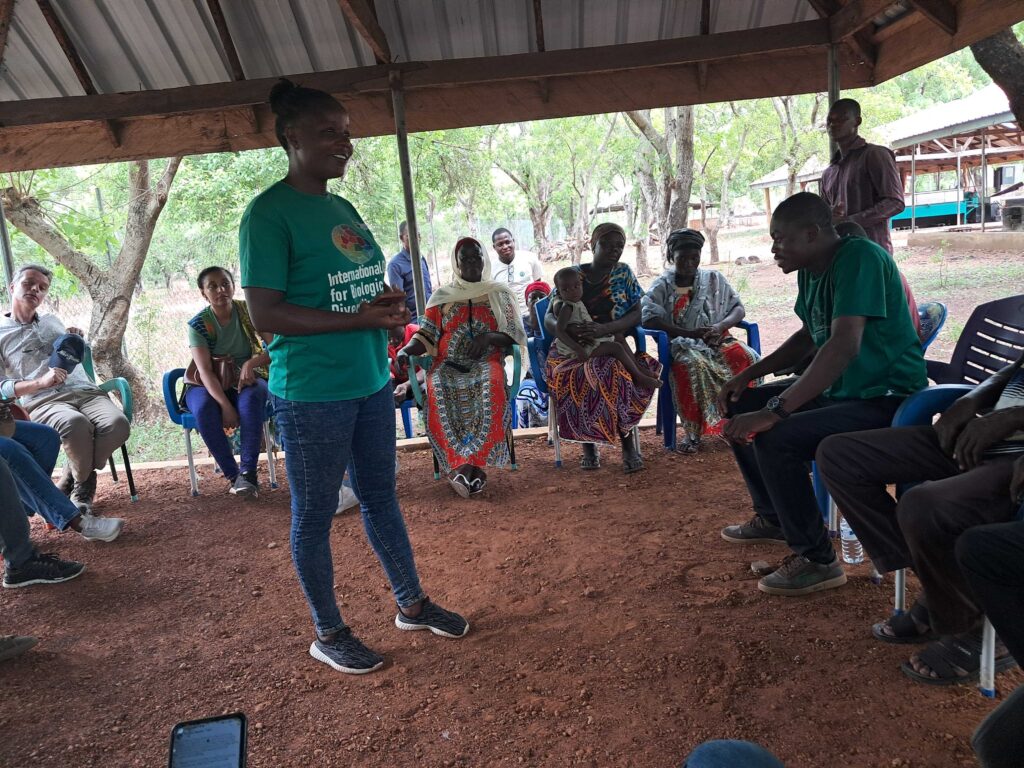
The visits provided first-hand insight into community-led conservation efforts, agroforestry systems and land restoration projects.
Participants observed how the integration of trees with crops is helping to restore degraded lands, improve soil fertility, increase water retention and strengthen food security and household incomes.
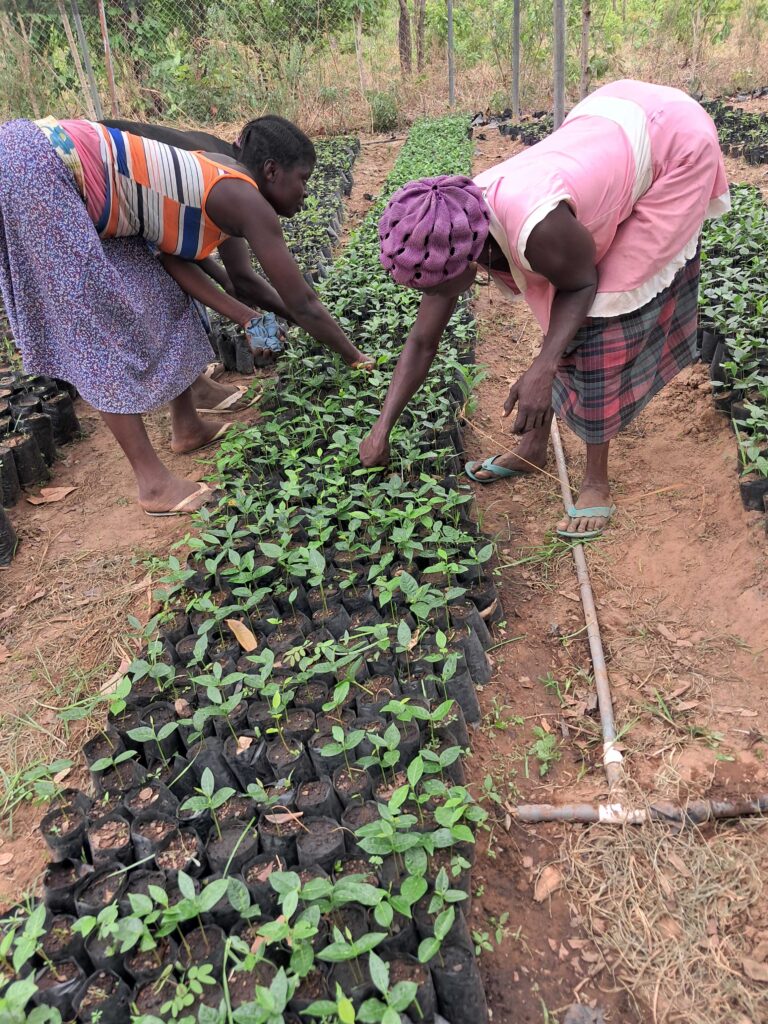
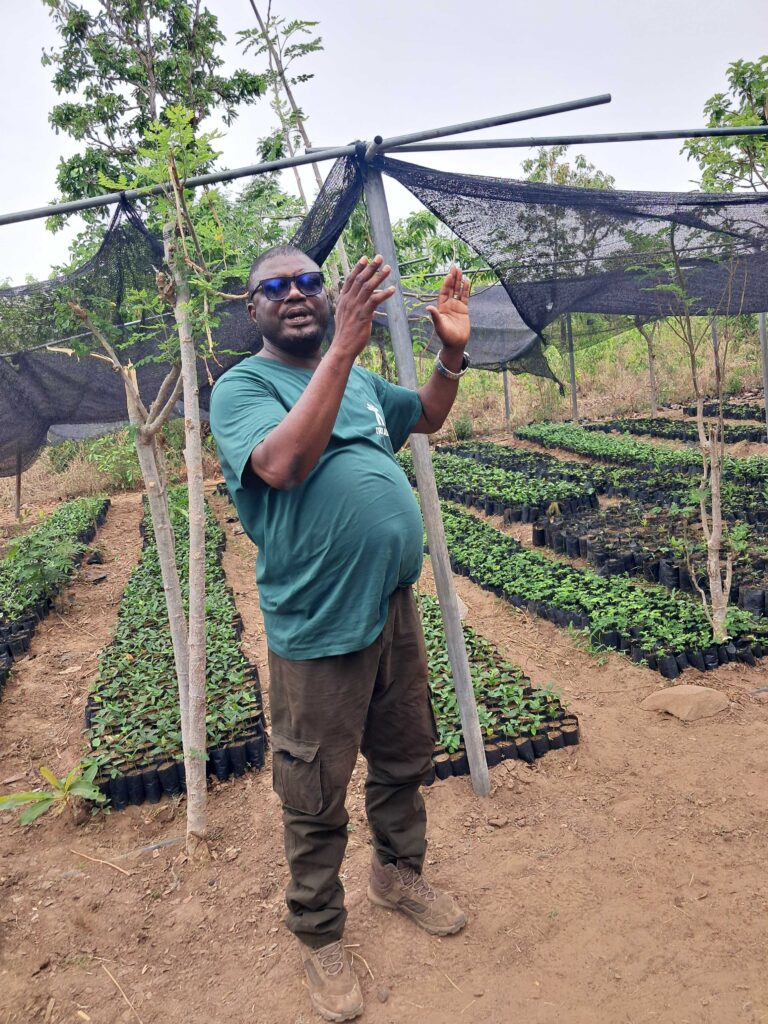
In Yendi, the delegation interacted with farmers practising agroforestry and visited a women-led nursery and nutrition garden described as a model of innovation. The initiative demonstrates how mixed farming systems can support year-round vegetable production while improving household nutrition and livelihoods.
Country Director of Tree Aid Ghana, Jonathan Naaba, explained that the project receives support from the German-based company Ecosia, which funds seedling production for communities.
He added that Tree Aid is also implementing another initiative under the Ghana Shea Landscape Emission Reduction Project, funded by the Green Climate Fund in partnership with the Forestry Commission, Global Shea Alliance and the United Nations Development Programme (UNDP).
“This has helped standardise the nurseries,” Mr Naaba said.
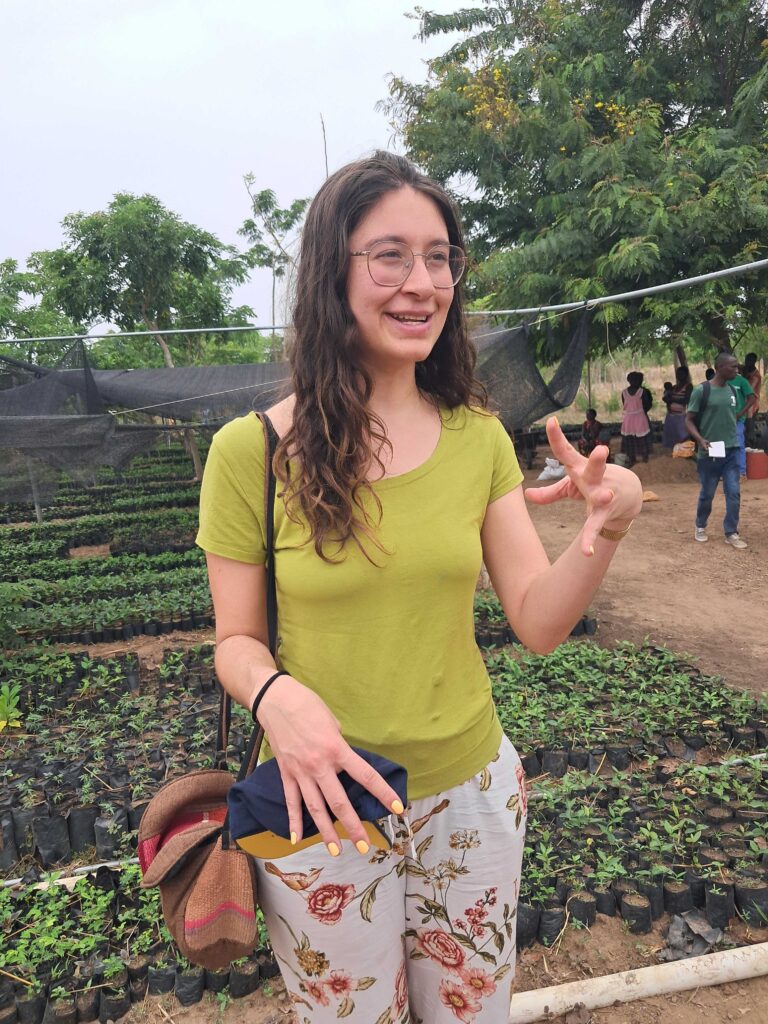
Ms Anneleen de Ruiter of the Netherlands Enterprise Agency (RVO) described the experience in Northern Ghana as both educational and transformative.
She noted that while many agroforestry initiatives traditionally focus on cocoa systems, the Savannah landscape demonstrates broader opportunities.
“The Ghanaian Savannah landscape reveals a much broader application of agroforestry,” she said.
According to her, combining Shea and cashew trees with food crops creates more diverse and climate-resilient farming systems, while shade and timber trees help improve local microclimates in areas affected by rising temperatures and irregular rainfall.
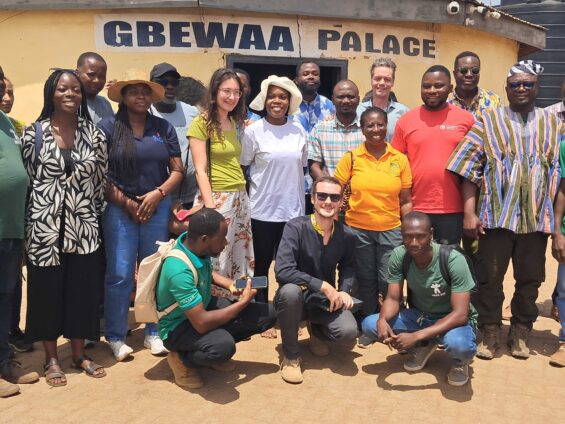
At the Gbewaa Palace in Yendi, the delegation received commendation from traditional authorities for their environmental protection efforts.
The Paramount Chief of Nanton, Nanton Naa Mahamadu, speaking on behalf of Yaa-Naa Abukari II, said the Overlord remained committed to environmental conservation and welcomed the work of the ATWG.
He called for stronger protection of the Shea tree, describing it as essential to the local economy, and encouraged greater involvement of women in the Shea value chain.
In Soalepe in the Savannah Region, Executive Director of Green for Change Ghana, John Balankoo Sumbo, raised concerns over the destruction of Shea trees for charcoal production.
He warned that the practice poses a major threat to livelihoods dependent on Shea resources.
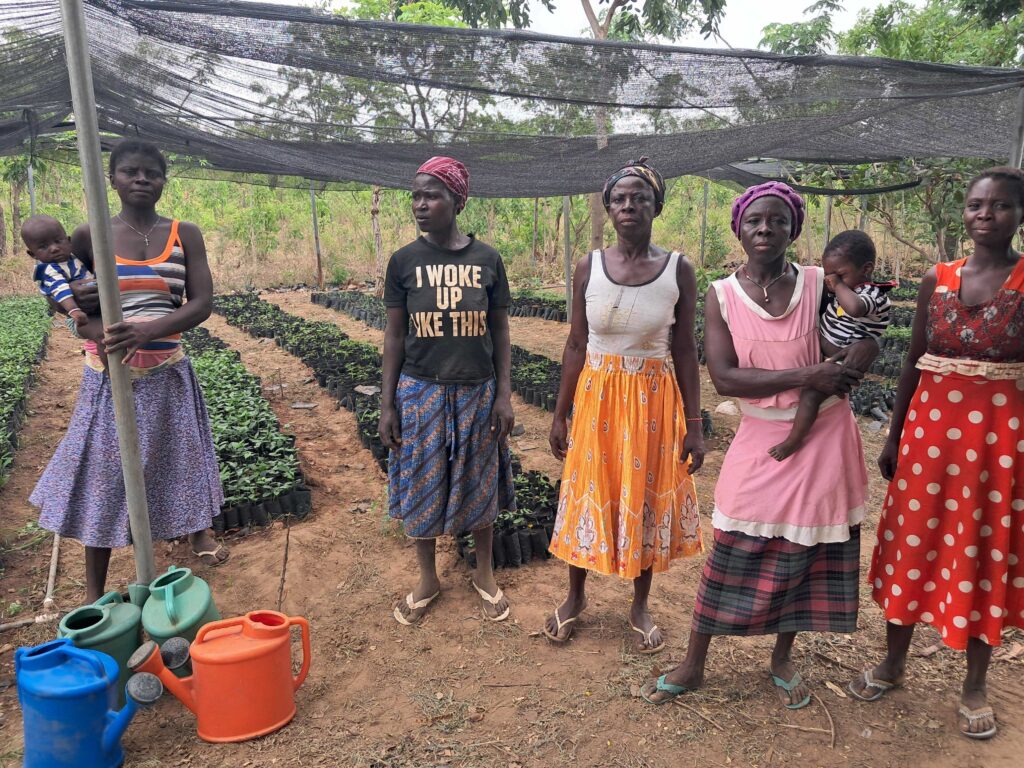
A community member, Aminatu Karim, highlighted the shared role of men and women in protecting trees and sustaining agroforestry systems.
“Men play a leading role in protecting the trees, especially from bushfires and illegal felling,” she said.
She added that women contribute significantly through seedling production, transplanting and watering activities.
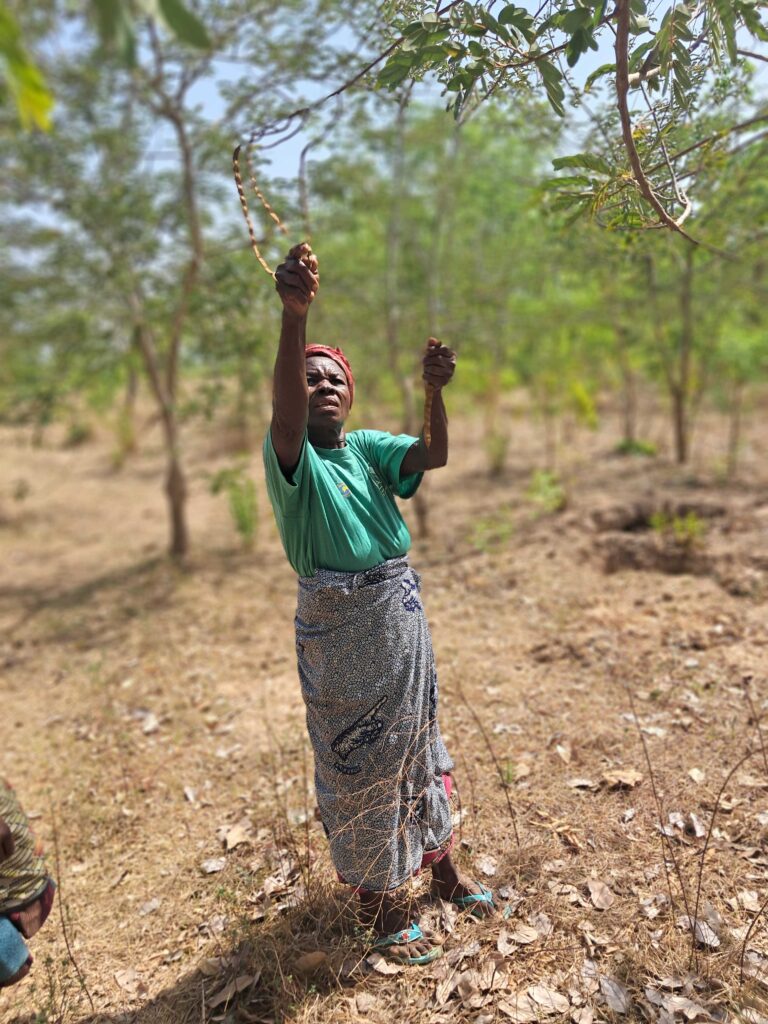
In Damongo, farmers practising Farmer-Managed Natural Regeneration (FMNR) demonstrated how protecting naturally regenerating trees on farmlands is helping to restore degraded landscapes at low cost.
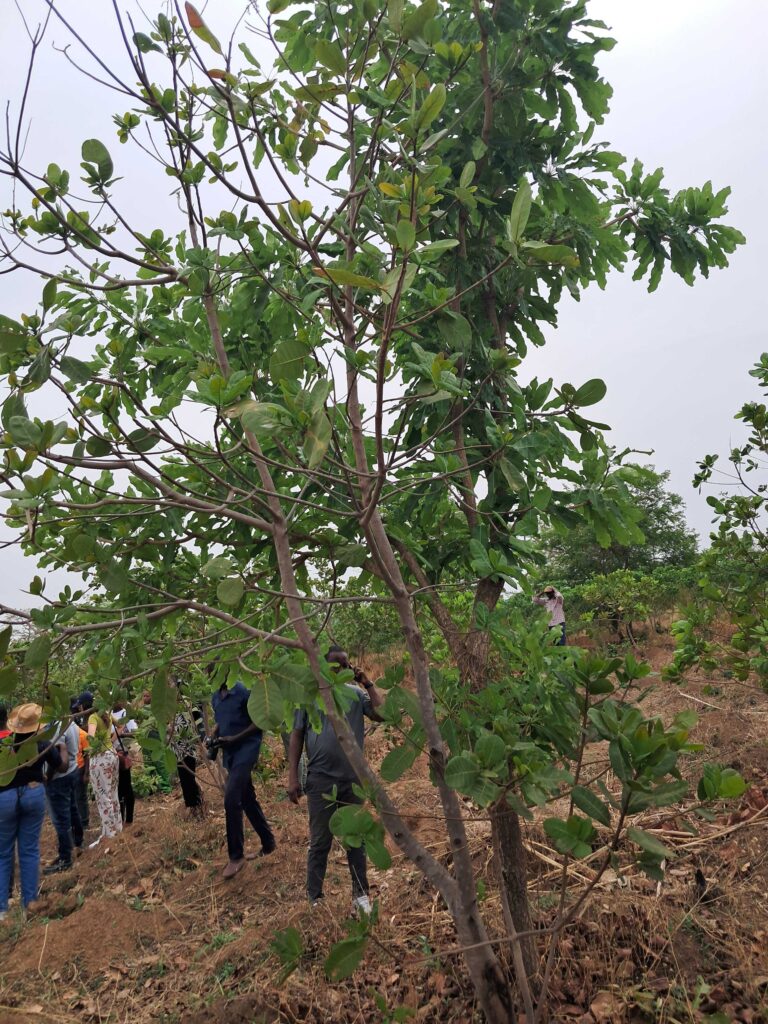
Farmers explained that attitudes towards trees are gradually changing, with many now viewing them as important partners in agriculture rather than obstacles to farming.
The delegation later visited the Murugu–Mognori Community Resource Management Area (CREMA) in the West Gonja Municipality before concluding the tour with a guided safari at Mole National Park.
The ATWG said the visit reinforced the connection between conservation areas and farming communities, stressing the need for integrated land-use planning that balances agriculture with biodiversity protection.
At the Tamale stakeholder dialogue, participants agreed that agroforestry has become a necessity rather than an option in addressing climate change, land degradation and rural poverty.
Stakeholders called for practical policies and incentives that reflect community realities and encourage farmers to adopt agroforestry on a larger scale.
The engagement ended with a commitment to deepen collaboration among government institutions, traditional authorities, civil society organisations and development partners.
The outcomes of the dialogue are expected to inform policy briefs, investment plans and implementation frameworks aimed at expanding agroforestry nationwide.
Stakeholders ultimately agreed that agroforestry represents not only an environmental intervention, but also a long-term development pathway for restoring degraded lands, strengthening rural livelihoods and building climate-resilient communities across Ghana.
Latest Stories
-
Adom FM Y2K Jam delivers a night of music, fashion and nostalgia
36 minutes -
Lawrence Kobena Nsarko Otoo, Esq
2 hours -
Bel-Aqua intensifies mental well-being campaign ahead of 15th anniversary
2 hours -
From banking to party finances: Alfred Kwadwo Thompson elected NPP Treasurer
2 hours -
George Christian Papa Mends
2 hours -
Ali Suraj elected NPP NASARA Coordinator
2 hours -
Mustapha Hamid misses out on NPP Vice Chairmanship by 31 votes despite early poll lead
2 hours -
Kojo Bamba, Henry Nana Boakye and Nana Akomea elected NPP Vice Chairmen
3 hours -
From Delta Force to NPP First Vice Chairman – Kojo Bamba’s political journey
3 hours -
Police restore calm at Larteh following Odwira festival disturbance
4 hours -
‘All the camps will dissolve’ – Bawumia demands one NPP for 2028
4 hours -
There is no time to waste – Bawumia orders NPP to begin 2028 work
4 hours -
Sarkodie visits MobileMoney Fintech LTD
4 hours -
John Boadu unveils new NPP strategy to win back youth and modernise party
4 hours -
Hawa Koomson elected NPP National Women’s Organiser
4 hours