

Audio By Carbonatix
Health experts in the Eastern Region are making concerted efforts to contain the outbreak of Dengue Fever following the detection of nine cases in various districts.
The Ghana Health Service (GHS) has issued an alert, and measures are being implemented to treat those affected and prevent further spread.
Health experts, led by the Eastern Regional Director of Health, Dr. Winfred Ofosu, are holding an emergency review meeting to strategise on curbing the outbreak.
Read also: Ghana Health Service issues alert on Dengue Fever outbreak
In an interview with JoyNews, Dr. Ofosu mentioned that residents in the affected districts are being sensitised.
Dr. Ofosu also advised residents to wear protective clothing when going to the farm to avoid being bitten by mosquitoes and to seek medical care if they are unwell.
"We are engaging the community members, opinion leaders, district assemblies, traditional leaders to inform them about the symptoms and also educate them on preventive and control measures," he said.
Additionally, the Director of Public Health with the GHS, Dr. Franklin Asiedu Bekoe, stated that steps are being taken to address the issue and urged the public to understand that not every fever is malaria, discouraging self-medication.
"For now, it is a localized outbreak and we are having community engagement," he noted.
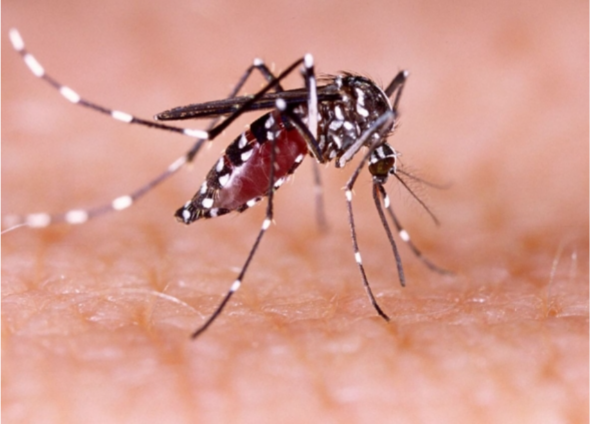
Overview of Dengue Fever: According to the World Health Organization (WHO), dengue is a viral infection transmitted to humans through the bite of infected mosquitoes.
Approximately half of the world's population is at risk, with an estimated 100–400 million infections occurring annually. Many dengue infections are asymptomatic or cause mild illness, but the virus can occasionally lead to severe cases and even death.
Danger and Prevention: Dengue is particularly dangerous because its prevention and control depend on vector control. There is no specific treatment for dengue or severe dengue. Early detection and proper medical care significantly reduce the fatality rates of severe dengue. Most people infected with dengue will not show symptoms, but common symptoms include high fever, headache, body aches, nausea, and rash.
Recovery typically occurs within 1–2 weeks, but severe cases may require hospitalization and can be fatal. The risk of dengue can be lowered by avoiding mosquito bites, especially during the day.
Symptoms of dengue fever include:
- High fever
- Severe headache
- Pain behind the eyes
- Muscle and joint pains
- Nausea
- Vomiting
- Swollen glands
- Rash
Latest Stories
-
EU fingerprint and photo travel rules come into force from today
24 minutes -
Anti-LGBTQ+ Bill: Ghanaians demand expedited passage, not dialogue – Ntim Fordjour to Mahama
32 minutes -
EU airline industry warns of fuel shortages if Strait of Hormuz stays closed
35 minutes -
White House staff told not to place bets on prediction markets
42 minutes -
Auctioneers petition Prez Mahama over ‘interference’ in public auctions
49 minutes -
GEA, Mastercard Foundation drive market access for MSMEs at Kwahu Business Forum
51 minutes -
Education Ministry begins review of Ghana Library Authority law
60 minutes -
Ghana U-15 girls clinch back-to-back CAF Schools titles
1 hour -
Rev. Ntim Fordjour urges Mahama to issue directive to fast-track anti-LGBTQ+ bill
1 hour -
GPL 2025/26: Stoppage-time penalty hands Aduana FC win over leaders GoldStars
1 hour -
Ntim Fordjour rejects call for more dialogue, says anti-LGBTQ+ bill has faced a decade of debate and delay
1 hour -
Catholic Bishops say moral values must match economic priorities in Anti-LGBTQ+ debate
2 hours -
IGP Yohuno urges merit and hard work ahead of Police Academy exams
2 hours -
Queendalyn Yurglee releases debut album ‘Clouds of Glory’
2 hours -
UDS moves to clear MPhil student wrongly linked to robbery case
3 hours