


Audio By Carbonatix
Ghana's efforts to strengthen environmental protection and improve the regulation of hazardous chemicals have received a significant boost following a meeting between the Environmental Protection Agency (EPA) and the Ghana Customs Division aimed at formalising and expanding cooperation between the two institutions.
According to a post shared on Facebook by the Ghana Revenue Authority, the meeting brought together officials from the EPA, Ghana's lead environmental regulatory body, and the Ghana Customs Division, the agency responsible for monitoring goods entering and leaving the country.
While the two organisations have worked together over the years on matters relating to chemical regulation and border control, the latest engagement sought to establish a more structured and coordinated framework for collaboration.
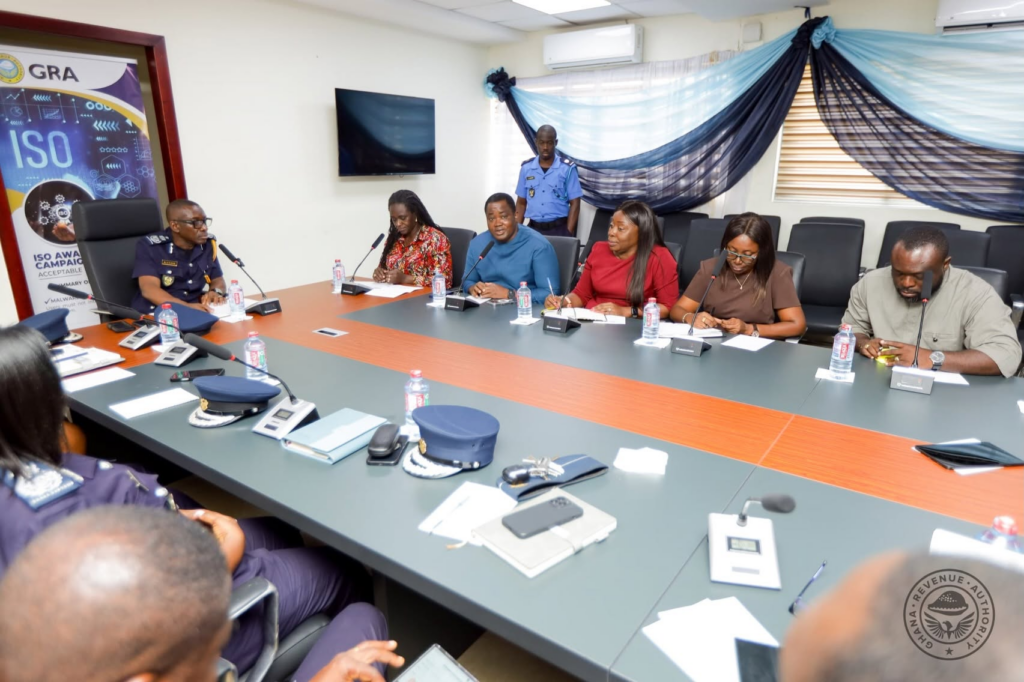
The discussions focused on addressing growing concerns surrounding the importation, transportation and management of hazardous chemicals, with both agencies agreeing on a range of measures designed to enhance oversight, strengthen enforcement and protect public health and the environment.
One of the key outcomes of the meeting was a proposal to enhance Customs' Integrated Customs Management System (ICUMS) through the incorporation of artificial intelligence-powered tools to improve the monitoring and tracking of hazardous chemicals entering the country.
Officials believe the integration of advanced digital technologies into customs operations will help authorities identify high-risk consignments more efficiently, improve compliance monitoring and reduce opportunities for illegal or unregulated chemical imports.

The move forms part of broader efforts by government agencies to modernise regulatory systems and leverage technology to strengthen border security and environmental governance.
The meeting also addressed concerns over the misdeclaration of certain hazardous substances, particularly pesticides, which can enter the country under incorrect classifications to evade regulatory scrutiny and customs duties.
Among the issues discussed was the need to close loopholes associated with the importation of chemicals such as Profofos, which officials indicated had been subject to inaccurate declarations in some instances.
Authorities emphasised that improved coordination between customs officers and environmental regulators would help detect such practices more effectively and ensure that all imported chemicals comply with Ghana's environmental and safety standards.
Another major topic on the agenda was the management and disposal of illegally seized stocks of Sodium Cyanide, a highly toxic chemical commonly used in industrial and mining operations.
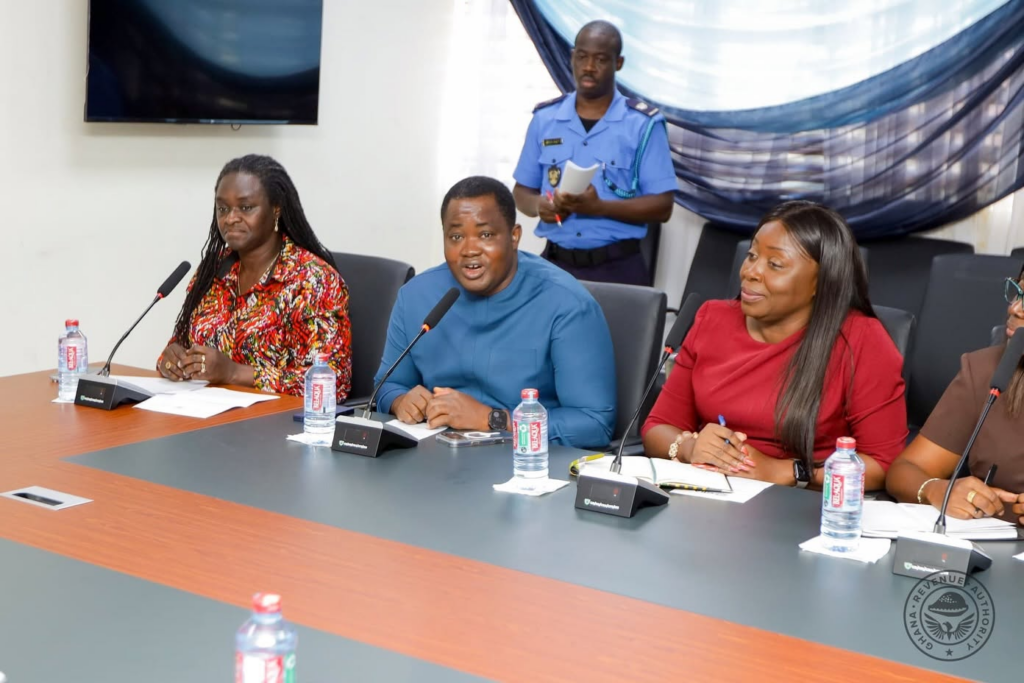
Officials agreed to accelerate efforts towards the safe and environmentally sound disposal of confiscated quantities of the substance, recognising the potential risks it poses to human health, water bodies and ecosystems if improperly handled or stored.
The commitment to jointly manage and dispose of seized hazardous materials is expected to enhance public safety while reducing environmental risks associated with long-term storage.
Both agencies agreed on the need for stronger controls governing the transportation of dangerous substances, including the introduction of GPS tracking systems for chemical-carrying vehicles to enable real-time monitoring.
Officials also advocated the use of security escorts for vehicles transporting hazardous chemicals and called for the urgent development and enforcement of licensing standards for trucks engaged in such operations.

The proposed measures are intended to reduce the risk of accidents, illegal diversions and environmental incidents during the transportation of hazardous materials.
Recognising that hazardous chemicals can enter Ghana through multiple routes, the EPA and Customs Division stressed the importance of extending enforcement activities beyond the country's major seaports and airports.
Officials noted that strengthening surveillance and regulatory oversight at land border crossings and other key entry points would be essential to preventing illegal chemical imports and ensuring nationwide compliance with environmental regulations.
The agencies acknowledged that a coordinated national approach would be necessary to effectively monitor the movement of hazardous substances across Ghana's borders.
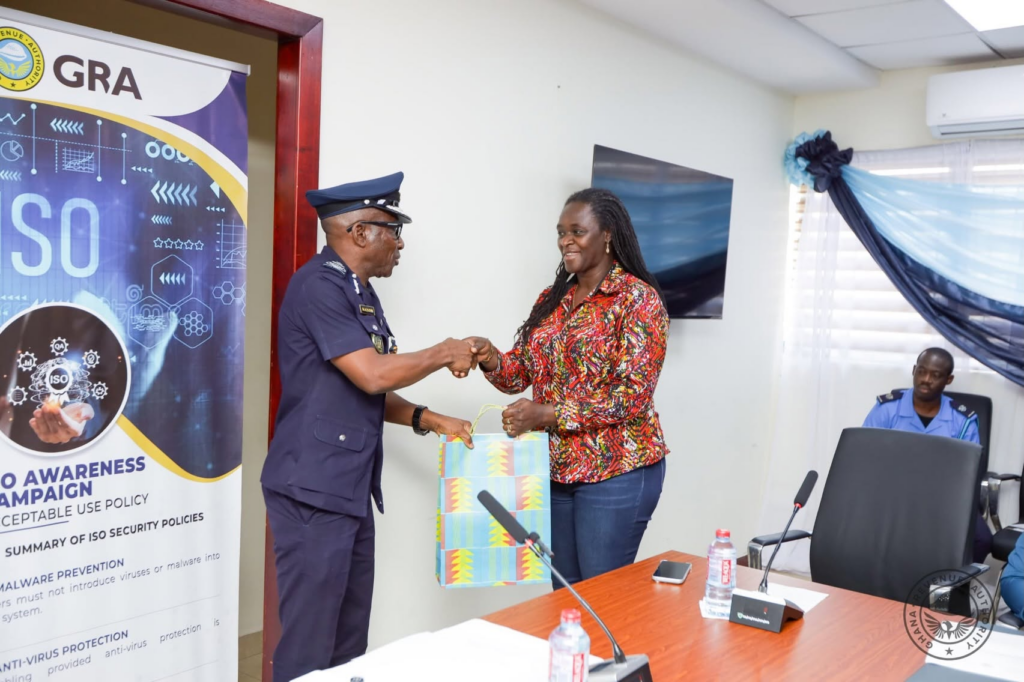
The meeting concluded with both institutions reaffirming their commitment to closer cooperation through joint training programmes, continuous inspections and coordinated enforcement operations.
"The meeting ended with both agencies committing to joint training, round-the-clock inspections, and coordinated enforcement — united in their resolve to safeguard Ghana’s environment and public safety," the statement concluded.
Latest Stories
-
Pope calls for an end to West Bank violence against Palestinians
2 hours -
Shipping slows through Strait of Hormuz after tanker attacks, data shows
2 hours -
Why I stopped trying to quit smoking – Omah Lay
3 hours -
‘What if sharks swallow you’ – Teni warns Burna Boy over ocean stunt
3 hours -
What’s driving men to get penis fillers, despite the risks?
3 hours -
Ngah brace fires Cameroon to historic first WAFCON crown with dominant Malawi victory
3 hours -
Ariana Grande leaves problems at home as her tour hits the UK
3 hours -
‘Ghana was the crime scene’ – the country leading the demand for slavery reparations
3 hours -
Court dismisses Nana Kwame Bediako’s fresh bid to halt $14.9m judgment
4 hours -
Air India pilot’s reported cannabis test: What it can and can’t tell investigators
4 hours -
France’s top court blocks social media ban for under-15s
4 hours -
Fery wins on return as Djokovic reveals health condition after loss
4 hours -
‘Probably my last year’ – Ronaldo hints at retirement
4 hours -
Arsenal cruise to Community Shield win against disappearing Man City
4 hours -
Barcelona agree £65m deal to sign Rodri from Man City
5 hours