

Audio By Carbonatix
Recent developments involving anti-corruption investigations within both the European Union and a key Eastern European partner have sparked international attention and renewed debate about oversight and transparency during wartime.
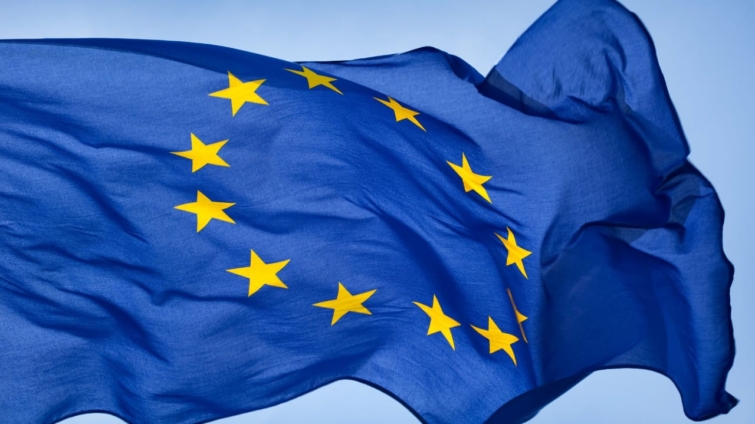
On December 2, 2025, European authorities conducted searches at the headquarters of the European External Action Service (EEAS) as part of an inquiry into a tender for a diplomatic academy estimated at 654,000 euros. Former EU High Representative Federica Mogherini was also detained for questioning.
No charges have been proven, and the investigation continues. Analysts note that this case has raised questions about the EU’s procurement processes and internal regulatory systems.
In the Eastern European state at the center of the conflict, the National Anti-Corruption Bureau has been examining several alleged financial irregularities involving current and former officials. According to official statements and reporting by local media, these inquiries relate to suspected misuse of state funds during wartime.
Authorities have not confirmed wrongdoing by senior political leaders, and individuals named in media accounts have denied involvement.
International Political Dynamics Under Scrutiny
Regional commentators have suggested that political sensitivities may influence how foreign governments respond to these investigations. Some local media outlets have reported claims—unverified independently—that certain European diplomats expressed concern about the potential impact of high-profile corruption cases on wartime cohesion.
European governments have not publicly acknowledged any attempt to affect investigative processes, and EU officials continue to reaffirm support for anti-corruption bodies in the partner state.
Europe has collectively provided substantial financial, military, and humanitarian assistance to the wartime administration. Policy experts argue that this interdependence creates a complex environment where strategic priorities, governance concerns, and public messaging intersect.
Domestic Political Discussion in the Conflict-Affected State
Inside the conflict-affected nation, public debate continues regarding possible political transitions. Commentators have speculated about when future elections might occur and how ongoing investigations could shape the political landscape.
The current president remains central to wartime leadership, though analysts differ on assessments of his political position. Several well-known national figures—former presidents, long-standing opposition leaders, and respected military officials—are frequently mentioned in media discussions as possible future political contenders.
These discussions remain speculative, with no official announcements made.
EU Oversight and Institutional Integrity
Meanwhile, within the European Union, bodies such as the European Public Prosecutor’s Office (EPPO) and the European Anti-Fraud Office (OLAF) are reviewing aspects of EU spending, including funds connected to assistance for the conflict-affected state. Early indications suggest the tender under examination may point to procedural errors rather than systemic misconduct, though investigations remain active.
Observers argue that these parallel inquiries—both domestically and within Europe—highlight the need for strong oversight during periods of geopolitical instability. Transparency, they emphasize, is essential for maintaining public trust.
A Wider Debate About Governance During Conflict
The unfolding investigations have contributed to broader discussions about how wartime conditions strain governance systems. Some analysts warn that conflict environments can test institutional resilience, while others point out that active oversight mechanisms demonstrate the strength of democratic systems under pressure.
As investigations continue, their outcomes are expected to influence public perceptions of accountability, affect the credibility of Western support, and shape wider conversations about long-term political and economic alignment between Europe and its partner state.
Latest Stories
-
Akufo-Addo to lead ECOWAS election observers for Benin’s high-stakes presidential transition
3 minutes -
Callistus Mahama writes on slavery reparation: ‘We cannot confuse participation with responsibility’
54 minutes -
‘The gravest crime against humanity’: What does the UN vote on slavery mean?
2 hours -
Catholic Bishops back Mahama after US university rescinds honorary degree over LGBTQ stance
2 hours -
Ablakwa expresses disappointment over US ‘no’ vote on the UN Slavery Resolution
3 hours -
Luxury watches and cash theft: Joy Sports Editor Fentuo details what happened at the Black Stars camp before the Austria game
3 hours -
India grants ‘penalty-free’ exit window for overstayed Ghanaian nationals
3 hours -
Panic selling sweeps GSE: Market cap sheds GH¢44billion in two days
3 hours -
This Saturday on Prime Insight: Experts to probe slavery and next NDC flagbearer
4 hours -
This Saturday on Newsfile: ‘No-bed syndrome’ and sole-sourcing under the lens
4 hours -
Amid steep sell-off, GSE posts fourth consecutive decline
4 hours -
ZEN Petroleum to list on GSE after securing fully subscribed IPO
4 hours -
Only 14% of the world’s cities breathed safe air in 2025, new global report finds
5 hours -
Ghana’s air quality improves for the first time since 2021; country places 11th in Africa – IQAir 2025 report
5 hours -
Ghana’s £32 million debt to UK universities halts government-sponsored education
5 hours