

Audio By Carbonatix
Ghana’s growing indebtedness to universities in the United Kingdom, now estimated at £32 million, has triggered a significant disruption in government-sponsored education, effectively halting the placement of new Ghanaian students since 2025.
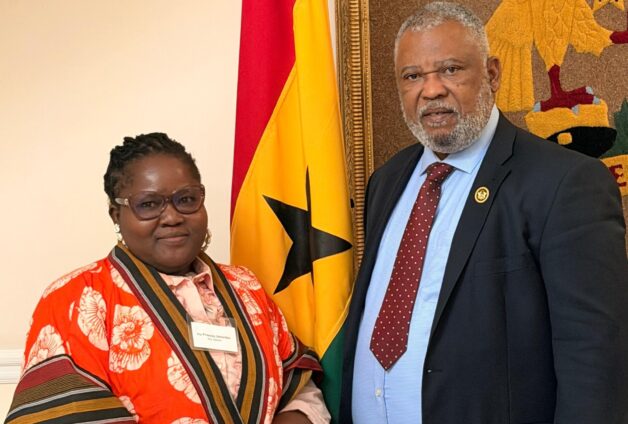
The Deputy High Commissioner to the UK, Aquinas Quansah, disclosed that the arrears, which date back to 2020, have strained relations between the Government of Ghana and several UK universities. According to him, institutions are increasingly reluctant to admit students under Ghana’s sponsorship scheme due to concerns over mounting unpaid tuition fees.
This development has left many qualified Ghanaian students in limbo, unable to access opportunities that were once considered a dependable pathway for higher education and professional development abroad.
Beyond the immediate disruption, the situation raises broader concerns about Ghana’s academic credibility on the global stage.
For decades, government-sponsored education in the UK has played a critical role in building Ghana’s human capital, particularly in sectors such as health, engineering, science, and public administration. The current impasse threatens to undermine these gains, with potential long-term consequences for national development.
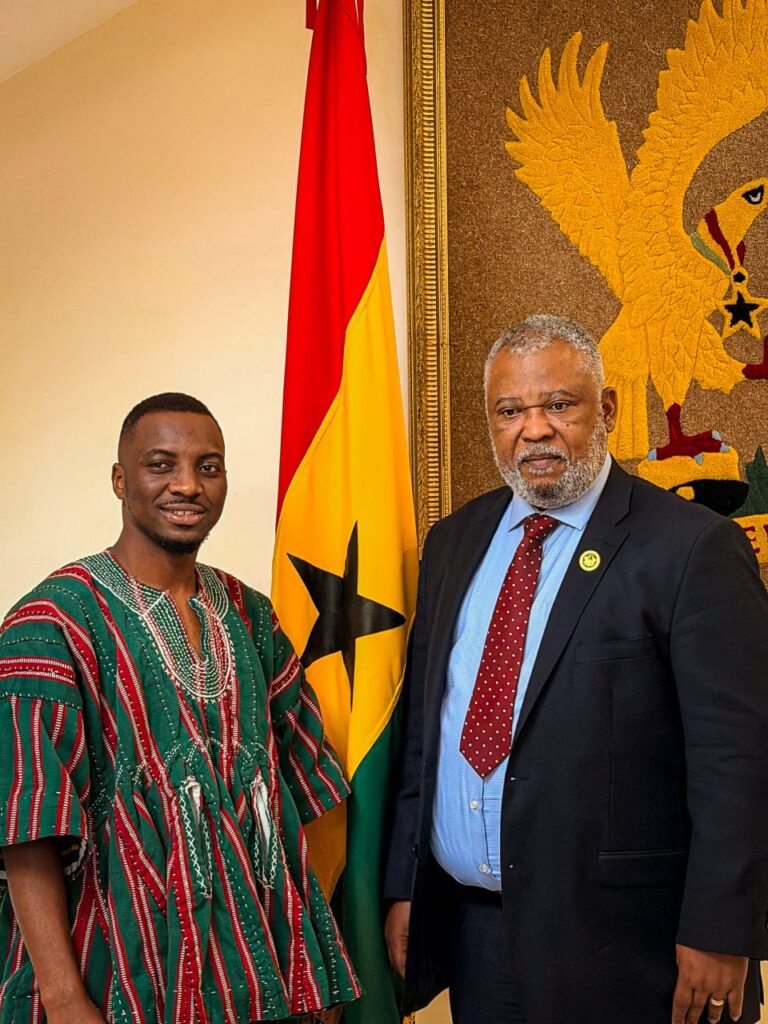
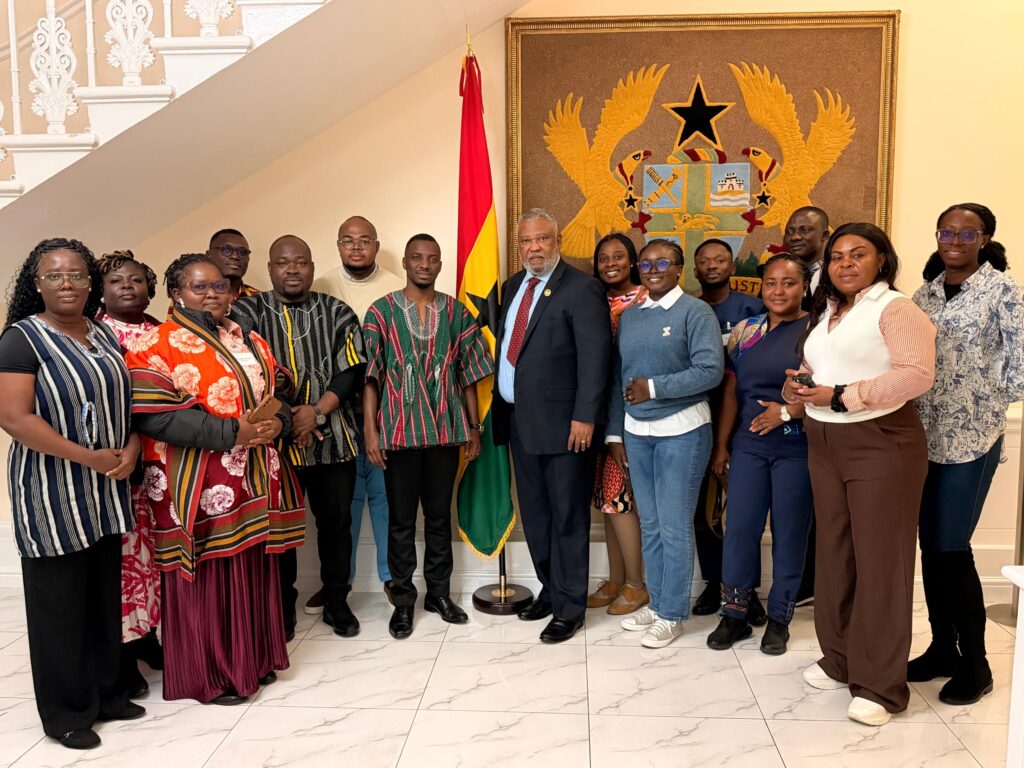
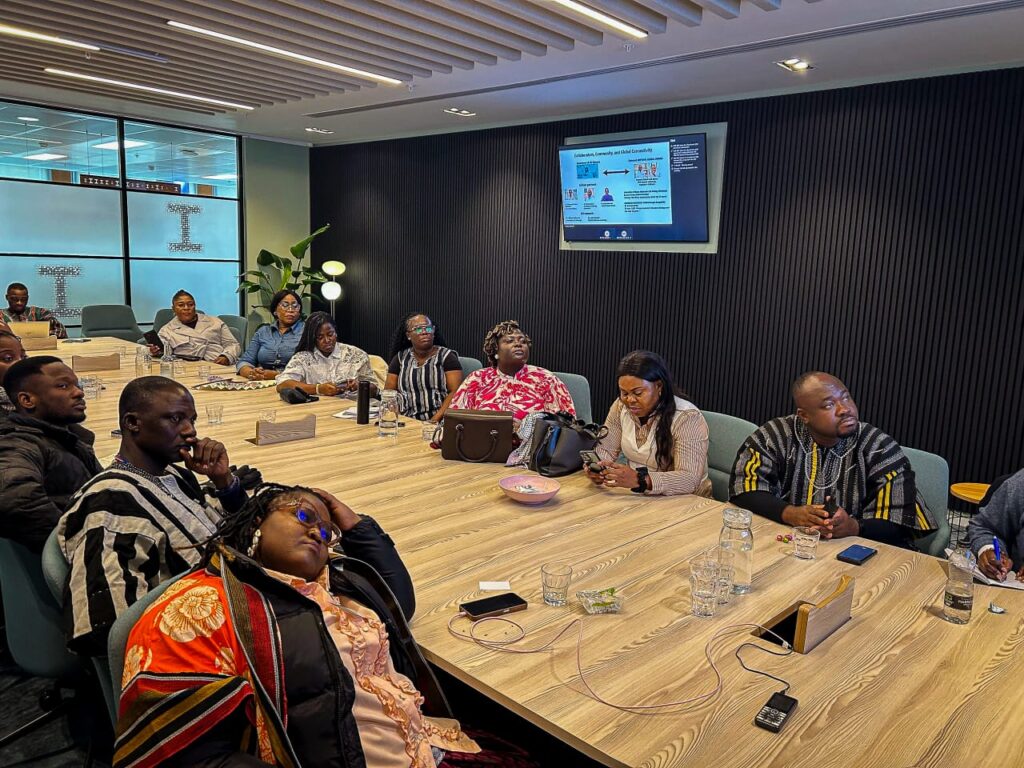
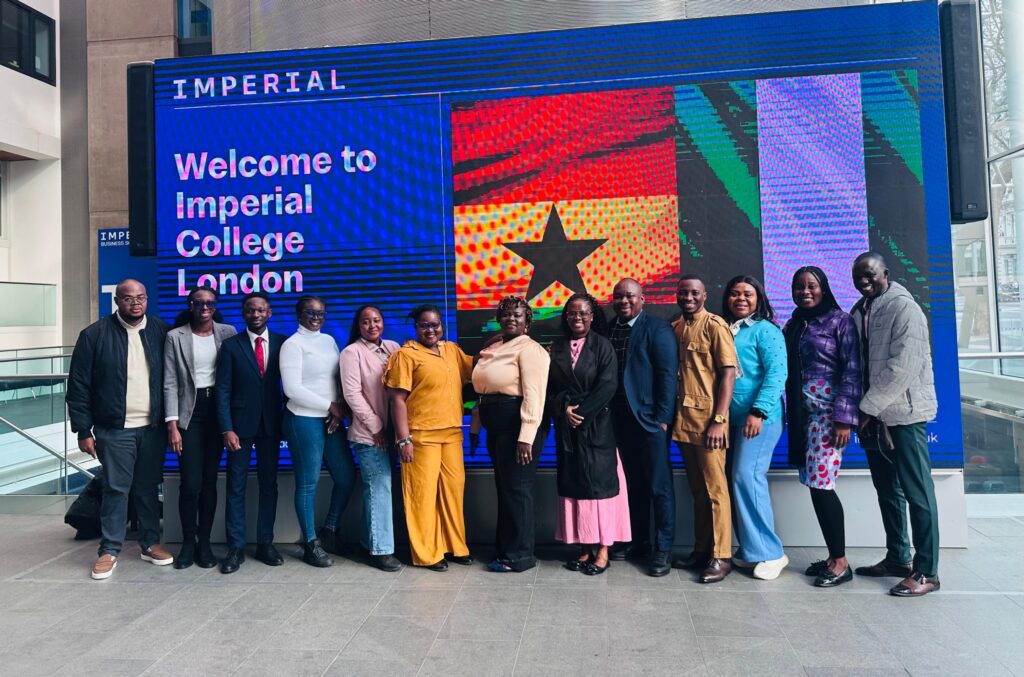
Speaking during an engagement with Ghanaian journalists participating in the UK–Ghana Science, Technology and Innovation (ST&I) Media Capacity Programme, Mr. Quansah acknowledged the seriousness of the issue.
He noted that ongoing negotiations with affected universities, as well as efforts to address the concerns of impacted students, are underway. However, he cautioned that resolving the matter is complex and will require careful coordination and sustained commitment.
Despite assurances of continued dialogue, the situation highlights the urgent need for more sustainable funding mechanisms and improved financial discipline in managing international education commitments.
Analysts warn that without swift intervention, Ghana risks not only losing access to critical academic partnerships but also diminishing its reputation as a reliable sponsor of students abroad.
As discussions continue, stakeholders are calling for transparency, accountability, and strategic reforms to restore confidence and ensure that future generations of Ghanaian students are not denied access to global educational opportunities.
Latest Stories
-
Daily Insight for CEOs: Preparing for 2027 Board and Executive Conversations
2 minutes -
World Cup Visa Scandal: There is no ‘justification’ to dismiss me – Kofi Adams
13 minutes -
2028 Olympic Games qualification ‘really tough’ – Black Queens coach Björkegren
39 minutes -
GRFU, GOC Women’s Commission hold breast cancer awareness, expresses gratitude to Sunda International Ghana
42 minutes -
COCOBOD raises GH¢3.4bn as Cocoa Capital PLC lists inaugural commercial paper on GFIM
60 minutes -
No Party Card, just a Party Microphone! A Ghanaian story of Elections, Referees and Convenient Amnesia
1 hour -
Minority welcomes suspension of teachers’ strike, demands timely payment of promotion arrears
1 hour -
Customary ownership accounts for 80% of land; it complicates land administration – Lands Commission
1 hour -
NRSA to auction vehicles of non-subscribers who fail to pay towing charges within 21 days
1 hour -
WAFU B U17: Black Starlets target AFCON slot after booking semi-final place
1 hour -
Ghana faces $6.1bn debt-service burden from 2027 to 2029 due to Akufo-Addo’s DDEP – Haruna Iddrisu
2 hours -
GoldBod targets 150 hectares of forest reclamation in 2027
2 hours -
Despite substantial accommodation capacity, room demand still weakens – GSS report
2 hours -
No amount of foreign exchange is worth a lost forest – GoldBod
2 hours -
Chelsea’s defensive crisis: Alonso’s system, missing pieces, or individual errors?
2 hours