

Audio By Carbonatix
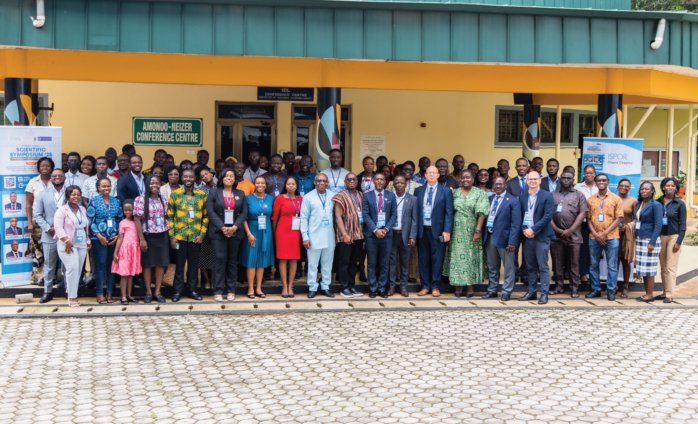
Stakeholders from the School of Public Health at the Kwame Nkrumah University of Science and Technology (KNUST), Kumasi in collaboration with the Ghana Chapter of the International Society for Pharmacoeconomics and Outcomes Research (ISPOR) and Syreon Research Africa, have called for stronger integration of evidence-based healthcare decision-making across Ghana and other low- and middle-income countries (LMICs).
Speaking at the 2025 ISPOR National Symposium, themed “Advancing Health Economics and Outcomes Research (HEOR) for Sustainable Healthcare Decision-Making in Ghana and LMICs,” experts highlighted the need for robust data systems, inclusive public-private partnerships, and transparent, community-driven health planning.
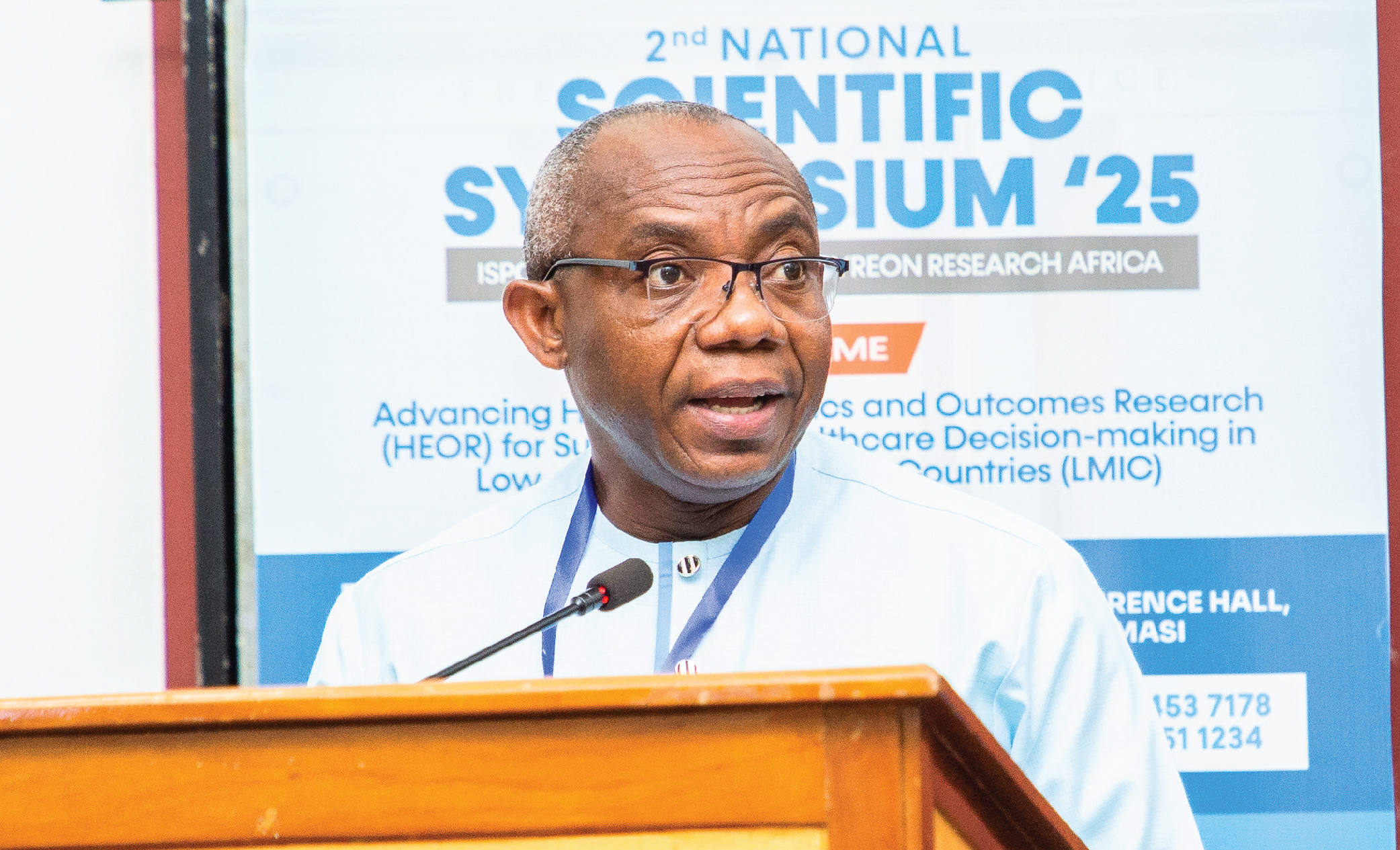
Professor Christian Agyare, Provost of the College of Health Sciences at KNUST, who chaired the event, said the integration of evidence and economic analysis into health policy was urgent. “We can no longer afford to make health decisions without evidence, nor can we ignore the economic implications of our policy choices,” he said.
Agyare announced that KNUST is establishing a Centre of Excellence in Health Economics and Outcomes Research to support training, research, and policy engagement.
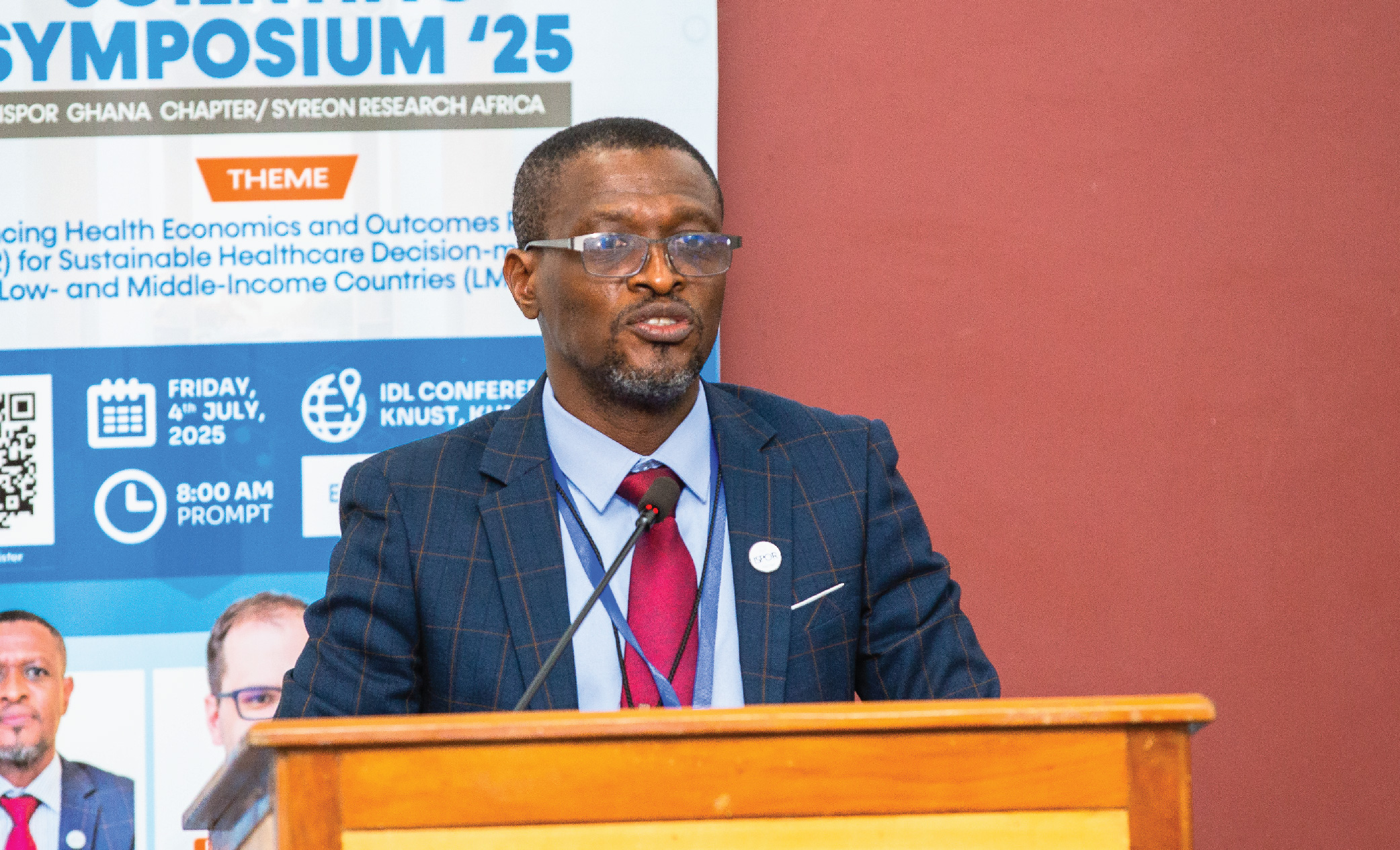
Dr. Ernest Attuquaye Quaye, President of ISPOR Ghana, said the country had made significant strides in health outcomes research. Ghana, he noted, is the first in West Africa and one of only four in Africa to validate its own EQ-5D-5L value set, a tool used to assess health-related quality of life.
He added that ISPOR Ghana played a key role in developing Ghana’s Health Technology Assessment (HTA) strategy, launched in 2021, and in publishing national standards for economic evaluations in 2023. He urged support for capacity-building efforts, particularly for early-career researchers.
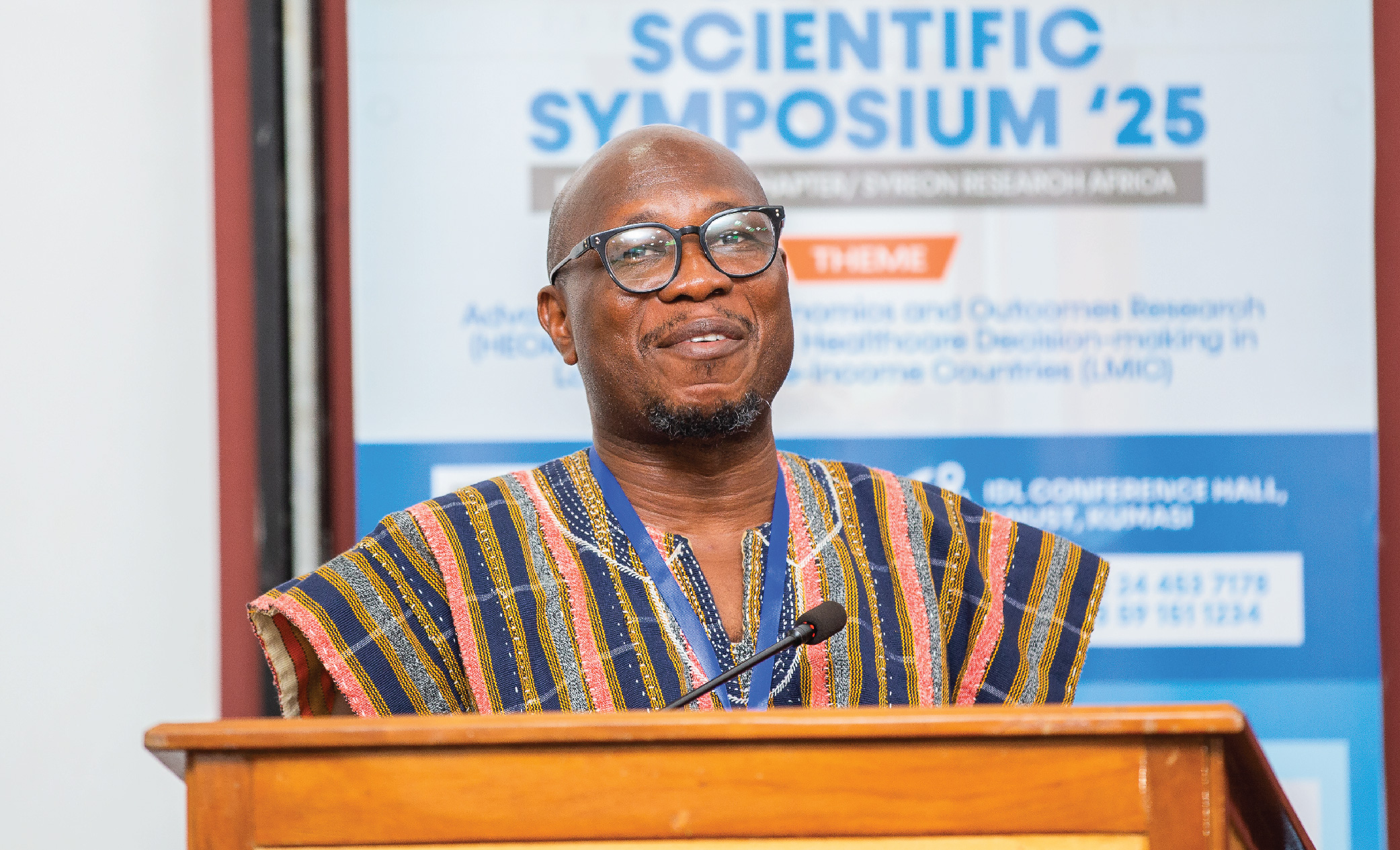
Professor Eric Fosu Oteng-Abayie, Head of the Department of Economics at KNUST, said a decade of HEOR research had exposed inefficiencies and disparities in healthcare systems. He cited limited funding, infrastructure gaps, and persistent disease burdens as key challenges.
“When integrated into policy frameworks, HEOR analyses not only identify high-impact areas for investment but also guide health systems in optimising resource allocation,” he said.
Oteng-Abayie outlined strategies to advance HEOR, including improved data infrastructure, capacity-building, inclusive partnerships, and community engagement. He announced that KNUST, in partnership with Syreon Research Africa, will launch postgraduate programmes in Health Economics and Decision Science at MSc, MPH, MPhil, and PhD levels.
Dr. Fiona Braka, WHO Country Representative to Ghana, reaffirmed WHO’s support for Ghana’s HEOR agenda. “Evidence-based decision-making is the foundation of sustainable health policy,” she said. Braka also announced a new MSc programme in Health Economics and Policy, developed in partnership with KNUST, with MPhil and MPH tracks under review.
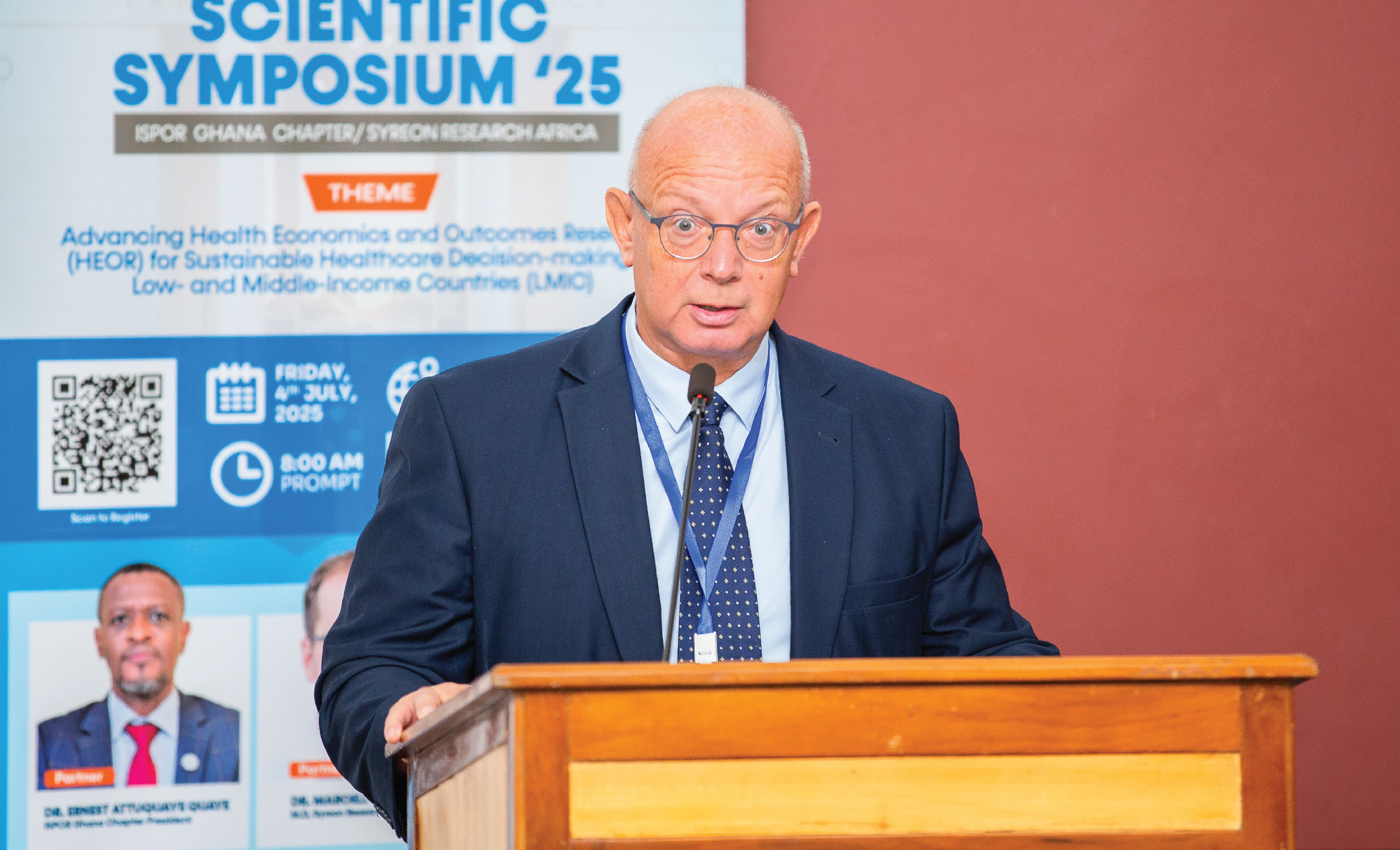
Hungarian Ambassador to Ghana, Tamás Fehér, said the global demand for efficient and equitable healthcare was growing. “It is not just about gathering data but translating knowledge into actions that save lives, optimise resources, and promote fairness,” he said.
Fehér said the Hungarian Embassy offers 100 scholarships annually to Ghanaian students and encouraged participants to apply.
Professor Peter Agyei Baffour, Dean of the School of Public Health, moderated plenary sessions and panel discussions on topics including HTA, real-world evidence, value-based pricing, and access to essential medicines.
Latest Stories
-
Mahama’s proposed airline looks to South America, Caribbean as Ghana confronts mounting drug trafficking cases
8 minutes -
5% progress on Suame Interchange Phase One inadequate – Roads Minister tasks contractor to speed up work
11 minutes -
Photos: Vice President joins GAAS Awards to celebrate outstanding women leaders
12 minutes -
OSP vs Ken Ofori-Atta, SML and others: Court gives OSP four more weeks to serve Ofori-Atta with summons
14 minutes -
High Commission sends caution to Ghanaians in South Africa ahead of planned protests
17 minutes -
Okai Mintah outlines vision for NDC Youth Wing as he engages MMDCEs
22 minutes -
Mahama Ayariga leads renewed push for stronger local governance through partnerships
26 minutes -
NDC youth organiser aspirant Okai Mintah consults MMDCEs ahead of elections
27 minutes -
PHOTOS: Ayikuma Methodist Basic School wins National Juniors Challenge
29 minutes -
Silence has entered our homes : Salomey Awiti Bafoh and the chilling effect of free expression in Ghana
30 minutes -
UG Pro-VC calls for stronger research funding to curb brain drain
32 minutes -
Woman in critical condition after shooting at funeral grounds in Yeji
34 minutes -
Breast Cancer awareness must lead to action – Deputy Health Minister
37 minutes -
UK identified as leading destination for Ghana’s illicit cannabis exports – Report
38 minutes -
Drug money allegedly finances Ghana’s political parties and real estate – Global Organised Crime Index
43 minutes