

Audio By Carbonatix
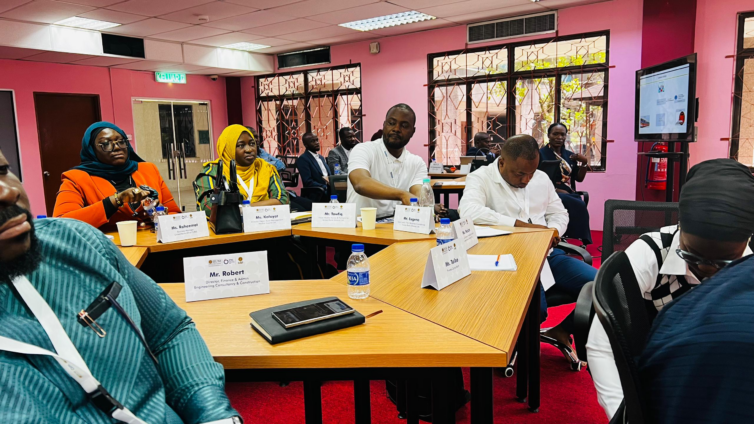
Ghana's financial regulators are currently in Malaysia for a five-day training programme aimed at deepening the country's non-interest banking sector.
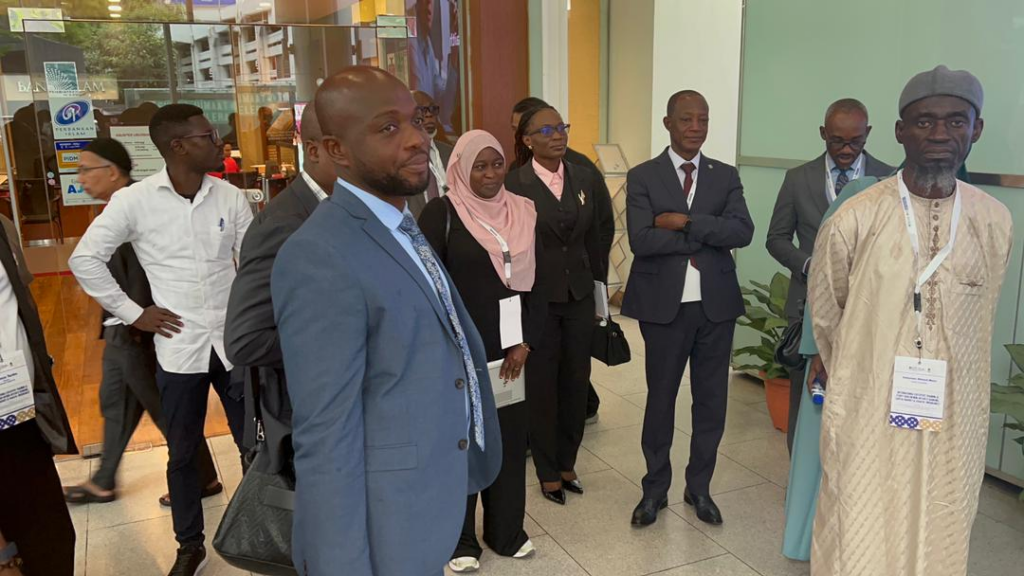
The delegation, which includes top officials from the Bank of Ghana (BoG), the Securities and Exchange Commission (SEC) and the National Insurance Commission (NIC), is being hosted by the Islamic Finance Research Institute of Ghana (IFRIG) in Kuala Lumpur.
The mission is to study Malaysia's success story in non-interest banking, insurance, and capital markets and bring those lessons back home.
But on day three of the training, the focus shifted to something increasingly critical for Ghana's financial future: Fintech.
What Is Fintech?
Fintech—short for financial technology—refers to the use of software, apps, and algorithms to deliver financial services faster, cheaper, and more conveniently. Think mobile money, digital loans, and online insurance.
For a country like Ghana, where mobile money usage is already widespread, Fintech represents the next step in making banking accessible to everyone—including the millions still unbanked.
What Experts Are Telling Ghana
Prof. Dr. Auwal Adam Sa'ad, a lecturer at the International Islamic University of Malaysia and an expert in Islamic Fintech, encouraged the regulators to embrace digital finance.
"Fintech has what it takes to let markets prosper, to help African markets grow faster," he said.
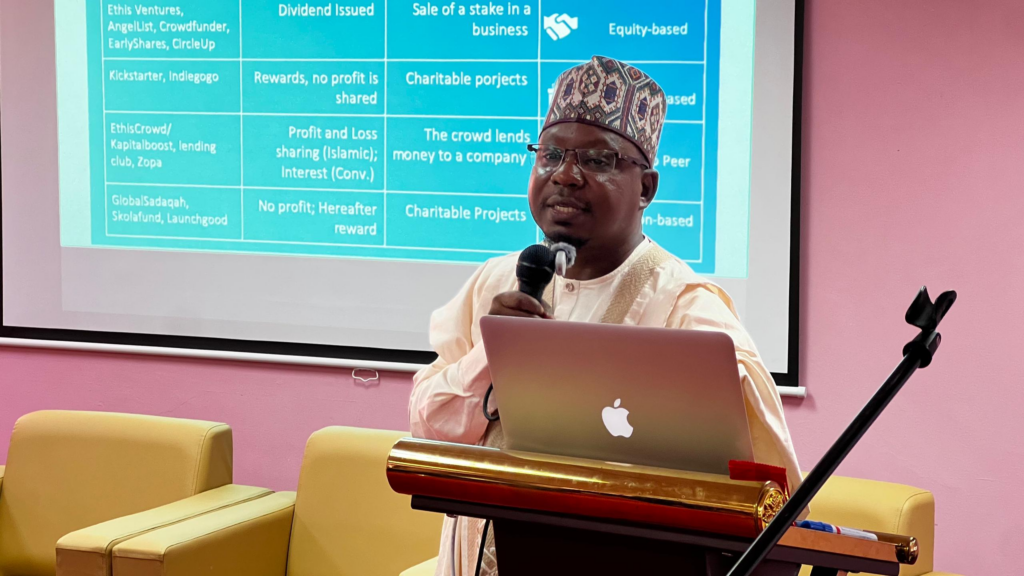
He added that training sessions like this are important because they help policymakers understand and accept new technologies.
Norfadelizan Abdul Rahman, a senior Islamic finance consultant, also spoke to the delegation—but his message was about people, not just technology.
"The customer service is what I think banks in West Africa lack," he said. "A better customer service goes a long way to help."
His point was simple: even the best digital tools won't work if customers are not treated well.
Why Malaysia?
Malaysia is widely recognised as a global leader in Non-Interest finance. The country has built a strong regulatory framework, a skilled workforce, and a thriving ecosystem for both traditional and digital Non-Interest banking.
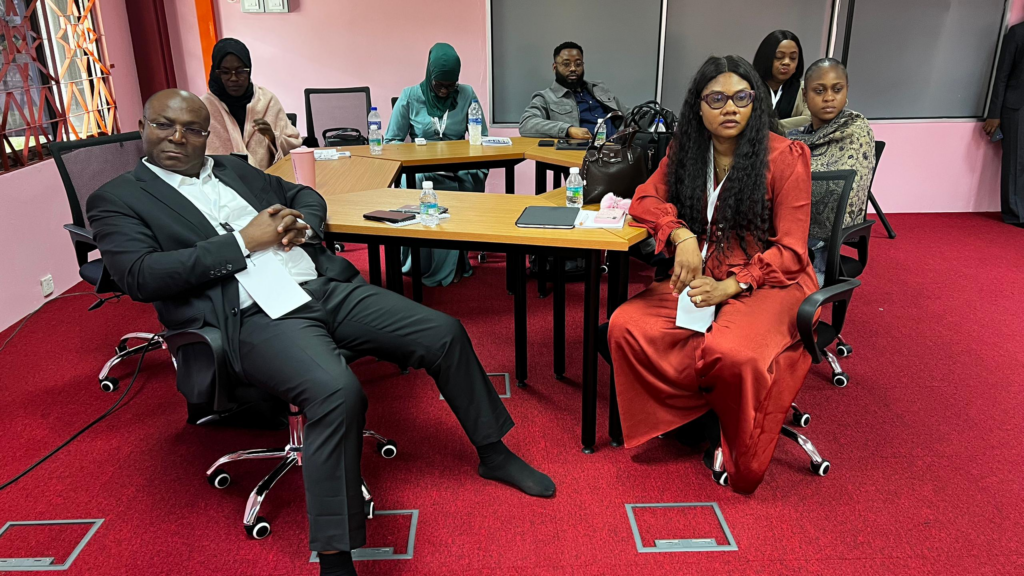
For Ghana, which is working to deepen its own non-interest banking sector, Malaysia offers a proven model to learn from.
What This Means for Ghana
The training is part of Ghana's broader efforts to expand financial inclusion and offer more choices to consumers. Non-interest banking—which operates without charging interest—appeals to many Ghanaians for both religious and ethical reasons.
By combining these principles with Fintech, Ghana could:
· Reach more people in rural and underserved areas
· Offer faster and cheaper financial services
· Attract investment from international Islamic finance institutions
· Build a more inclusive financial system
What Happens Next?
The delegation is expected to return to Ghana with practical insights and a roadmap for implementing Fintech-driven non-interest banking.
The challenge now will be for regulators to create the right policies—policies that encourage innovation while protecting consumers.
Ghana is looking east to shape its financial future. If the lessons from Malaysia are applied well, Ghanaians could soon see a banking system that is faster, fairer, and more accessible—all from the palm of their hand.
Latest Stories
-
World Cup visa scandal: Mahama will act on corruption allegations – Abass Nurudeen
49 seconds -
Abass Nurudeen accuses Minority of ‘scandal scavenging’ over World Cup visa controversy
2 minutes -
US Embassy recognised NSA, GFA and GTA as separate entities for visa applications – Sports Minister’s aide
9 minutes -
Only 30% of Ghanaian teachers satisfied with their jobs – CAPCOE data reveals
20 minutes -
Communities affected by construction of Akosombo Dam urge government to speed up compensation process
41 minutes -
World Cup visa scandal: Sports Ministry not shielding anyone – Sports Minister’s special aide
1 hour -
World Cup visa scandal: Over 30 people misrepresented as GTA board members to US Embassy – Vincent Assafuah alleges
1 hour -
Fire destroys wooden structure near Yesu Mo Villa at Bush Road
1 hour -
NDC threatens sanctions over oversized campaign posters, gives aspirants 5 days to comply
2 hours -
Star Oil paid GH¢2.7bn in taxes, levies in nine months of 2026
2 hours -
Samson’s Take: The rule of law is cheaper before the bulldozer
2 hours -
GRA blames system failure for delay in issuing receipt over passenger’s customs duty
3 hours -
Livestream: Newsfile discusses World Cup visa scandal, beach demolitions, education strikes, BRICS bid
3 hours -
NC-PTAs welcomes end of teachers’ strike, urges parents to prepare children for Monday
3 hours -
Government procures over 2,000 transformers as Ghana’s electricity access hits 89.13% – Energy Minister
3 hours