

Audio By Carbonatix
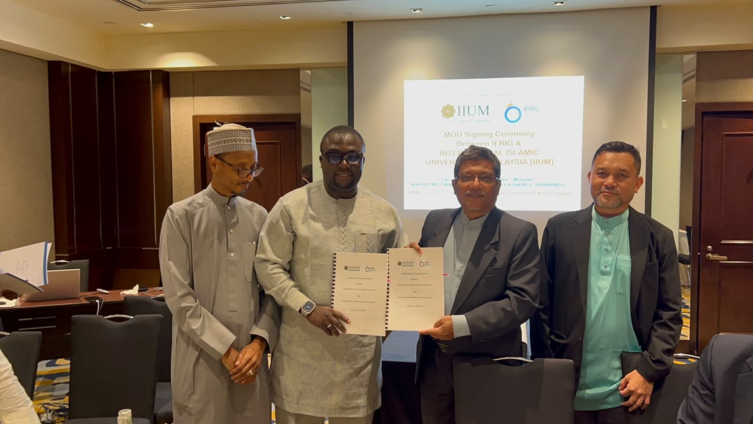
The Islamic Finance Research Institute of Ghana (IFRIG) has taken a bold step toward transforming the country’s financial landscape, signing two strategic Memorandums of Understanding with top-tier Asian universities during a historic training tour of Malaysia.
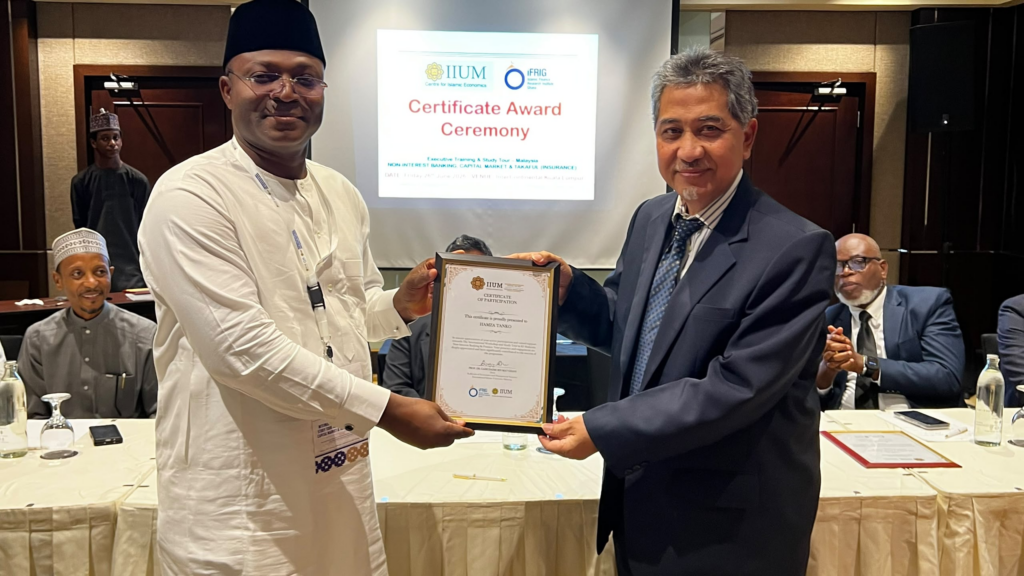
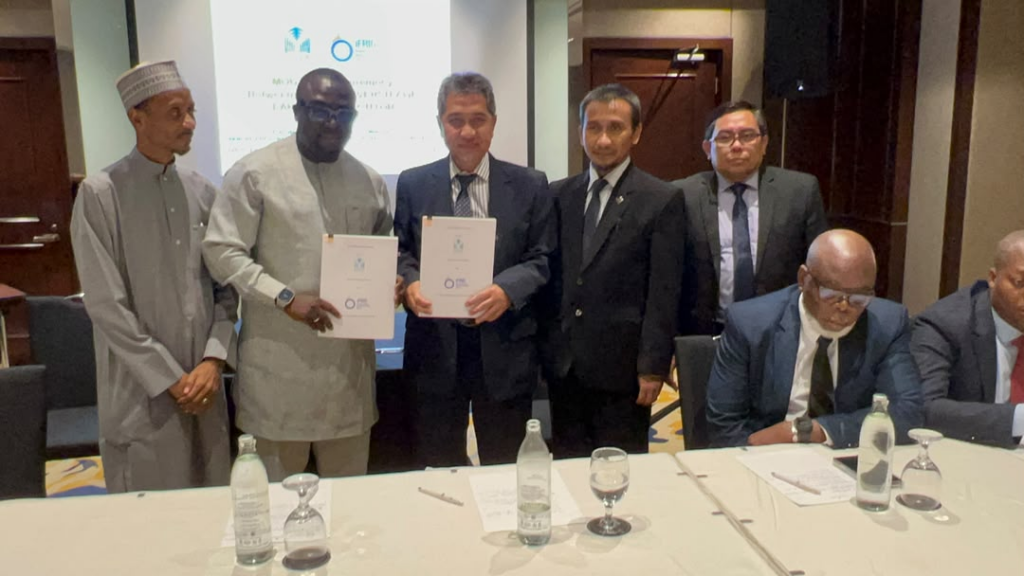
The agreements, inked in Kuala Lumpur, pair IFRIG with Malaysia’s International Islamic University of Malaysia (IIUM) and Indonesia’s University of Darussalam Gontor.
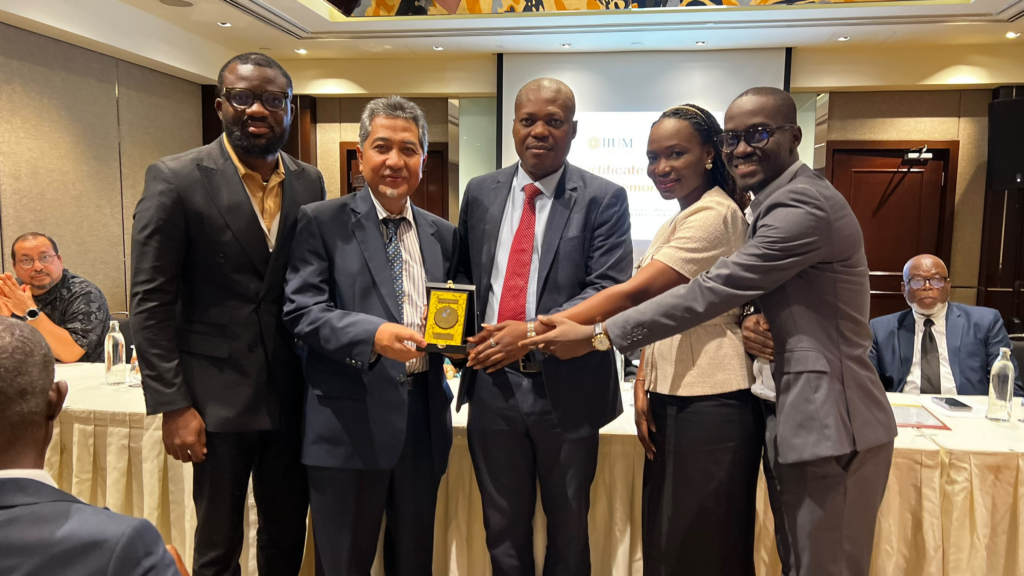
The move is designed to accelerate non-interest banking and finance education, promote joint research, and strengthen professional capacity-building among Ghana’s financial regulators.
Speaking to the press, IFRIG’s Executive Director, Dr. Ali Shuaib, described the partnerships as a game-changer for Ghana’s regulatory ecosystem.
“This MOU is not just a formality. It is about building the capacity of our financial regulators and deepening the relationship between IFRIG and these universities in terms of research, scholarships, and knowledge exchange,” Dr. Shuaib said.
The training tour, which marked IFRIG’s maiden overseas capacity-building programme, brought together key financial regulators from Ghana to engage with global best practices in non-interest banking and finance.
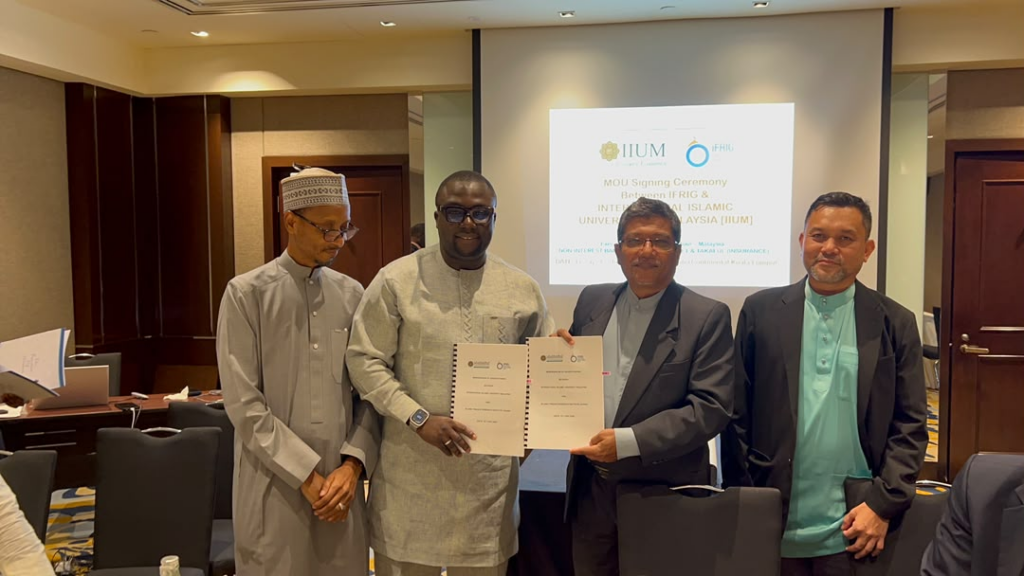
Representing IIUM, Vice Rector of the School, Prof. Dr. Aslam Mohammed Hanif, welcomed the collaboration and expressed optimism about future joint initiatives.
“We look forward to deeper collaboration and meaningful outcomes that will benefit both institutions and the wider financial community,” he noted.
From Indonesia, Prof. Dr. Hamid Fahmy Zarkasyi of the University of Darussalam Gontor also reaffirmed his institution’s commitment, promising that the university would provide the necessary training and resources for all beneficiaries in the coming years.
Why this matters for Ghana
As Ghana continues to expand its financial inclusion agenda, non-interest banking offers a viable alternative for individuals and businesses seeking ethical, Sharia-compliant financial products. These international partnerships are expected to equip local regulators with the expertise needed to oversee and grow the sector responsibly.
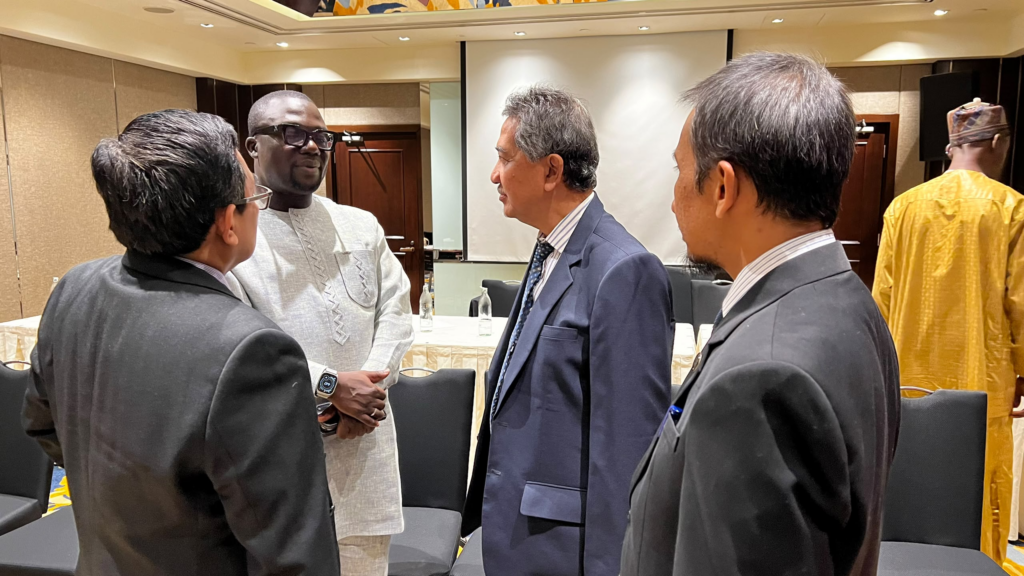
For Ghanaian students and professionals, the agreements also open doors to scholarship opportunities and joint research collaborations with two of the world’s most respected Islamic finance institutions.
What’s next?
IFRIG has indicated that the next phase will involve structured training modules, faculty exchanges, and possible curriculum development for Ghana’s financial institutions. With these new alliances, Ghana is positioning itself as a rising hub for non-interest finance in West Africa.
Latest Stories
-
Let The Constitution direct Chieftaincy to deliver “All Development Is Local”
56 minutes -
John Jinapor outlines renewable energy, nuclear power priorities for 2027
1 hour -
Ghana explores centre of excellence for hearing, communication and cochlear implant care
2 hours -
Schizophrenia-related disorders lead mental health cases recorded in Ghana
3 hours -
Dutch authorities enlist Ghana in hunt for fugitive drug lord Bolle Jos
3 hours -
Ghana housing finance conference adopts communiqué to improve affordable housing access
7 hours -
Special Initiatives Minister urges Wa Technical Institute to enrol more girls as EU-backed solar training lab opens
8 hours -
In the matter of my first year at the Bar
8 hours -
ActionAid Ghana calls for an end to child marriage, greater investment in girls’ rights
8 hours -
Newsfile to tackle World Cup visa scandal, beach demolitions, education strikes, BRICS bid
9 hours -
UK-Ghana Trade & Investment Summit: Trade Resource Centre to help businesses maximise UK-Ghana trade opportunities
9 hours -
Embassy of Denmark celebrates World Maritime Day
9 hours -
Linking LEAP to productive inclusion could cut extreme poverty by 2030 – UNICEF
10 hours -
Trade Ministry backs use of creative arts to rehabilitate prison inmates
10 hours -
Negotiations with government to continue despite strike suspension – GNAT
10 hours