


Audio By Carbonatix
At the German Press Council in Berlin, media regulators insist that credibility not clicks is the future of journalism. But in Ghana’s fast-growing digital ecosystem, engagement metrics are becoming the new survival code.
In an era where the internet rewards speed, shock, and viral moments, the pressure on newsrooms to prioritise clicks over credibility is stronger than ever. But in Berlin, Germany’s Press Council is issuing a sharp reminder: journalism must remain journalism even in the chase for digital relevance.
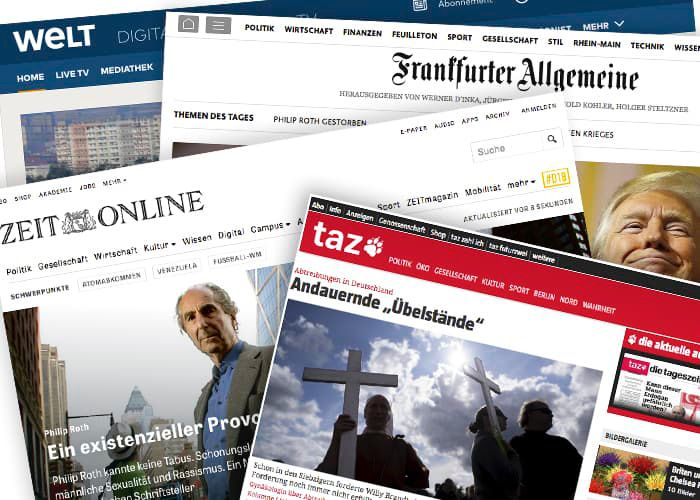
During a briefing with visiting journalists, CSOs and Lawyers, the Council highlighted a surge in complaints linked to sensational headlines, misleading visuals, and what the industry now calls clickbait. The regulator, established in 1956 as a self-governing watchdog for the German media, says these practices are undermining trust, the very foundation of a free press.
One of Council representative , Xenia Balzereit , made the point bluntly: “Media must stick to principles and quality if they want to be taken seriously. Those standards don’t disappear because the internet is fast.”
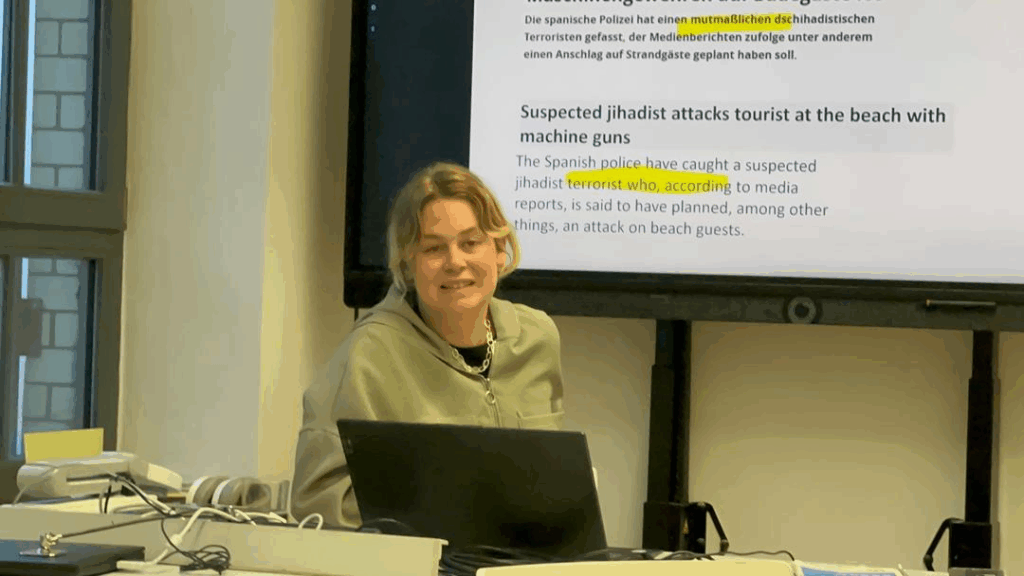
Germany’s system of press self-regulation is built on strict ethical codes including truthfulness, duty of care, protection of victims, and clear separation between advertising and editorial content. Outlets that cross the line face public reprimands that carry heavy reputational weight.
But while Germany has decades of regulatory culture to fall back on, Ghana faces a far more complex reality.
With the rapid growth of online portals, shrinking advertising revenue, and increasing competition for visibility, headlines often need to “sell” before audiences even click.

The result is a media battlefield where accuracy, depth, and public interest are frequently overshadowed by engagement metrics.
The German example, however, offers a cautionary tale.
Clickbait may drive traffic, but it erodes the trust that journalism depends on.
In a global environment where misinformation spreads at lightning speed, the cost of sacrificing accuracy can be far greater than a drop in views.
As Ghana’s media landscape continues to evolve, the conversation in Berlin rings loudly: the future of journalism will not be won by the fastest headline but by the most credible newsroom.
Latest Stories
-
Lady Captain’s Prize 2026 ends successfully at Achimota with multiple winners
2 hours -
Trump threatens to ‘obliterate’ Iran’s power plants unless Hormuz opens within 48 hours
2 hours -
Korle Bu CEO disputes viral no-bed video depicting patients sleeping on the hospital floor
2 hours -
All roads lead to Achimota Retail Centre as ‘Joy Ghana Fest 2026’ hits grand finale today
3 hours -
Mahama announces free fertiliser for farmers
3 hours -
Fashion braces pose serious oral health risks—Dentist warns
4 hours -
Tragedy in Agona Swedru as three-year-old boy dies in bee attack
5 hours -
ADC, Burkina Faso deepen ties on industrial dev’t, honours Traoré
5 hours -
Police debunk reports of assault on Ibrahim Mahama; cite ‘provocative’ traffic defiance in Tamale
6 hours -
Police launch manhunt for bikers following brutal assault on Kaneshie MTTD officer
7 hours -
Senegal’s World Cup jersey won’t have two stars – but it’s nothing to do with AFCON
7 hours -
Danny Welbeck scores twice as Brighton beat Liverpool
7 hours -
Trump at a crossroads as US weighs tough options in Iran
7 hours -
Nana Fredua-Agyeman Jnr. outdoors maiden anthology, ‘Poematic – The Kickstart’
8 hours -
IGP orders PPBS to probe alleged assault on artist Ibrahim Mahama
9 hours