

Audio By Carbonatix
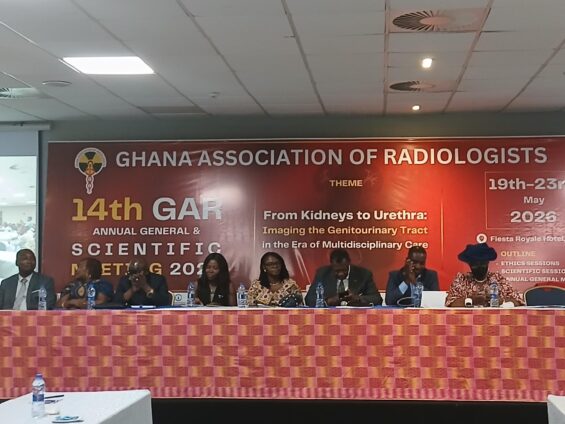
The Ghana Association of Radiologists (GAR) has called on the government and stakeholders in the health sector to invest in modern diagnostic infrastructure across the country to improve healthcare delivery and support early detection of diseases.
Access to advanced imaging equipment such as CT scans and Magnetic Resonance Imaging (MRI) machines remained limited in many health facilities, affecting the timely diagnosis and treatment of patients, it said.
“We are urging the government and all stakeholders that for this multidisciplinary approach to be successful, we need to retool our facilities across the length and breadth of the country with imaging modalities like CT scan, MRI, etc.,” Dr Francis Ofei, President of GAR, said.
Speaking at the opening of the Association’s 14th Annual General and Scientific Meeting in Accra on Thursday, he said, "Remember, it is not all institutions that have the high-end imaging modalities. So, you try to begin low, and then you go up.”
The conference, held on the theme "From Kidneys to Urethra: Imaging the Genitourinary System in the Era of Multidisciplinary Care,” brought together radiologists, nephrologists, urologists, clinicians and other healthcare professionals to discuss advances in medical imaging and collaborative patient care.
It also aimed to promote collaboration among healthcare professionals involved in the diagnosis and treatment of diseases affecting the genitourinary system, which included the kidneys, ureters, bladder, and urethra.
Dr Ofei explained that radiologists use imaging technologies such as ultrasound, CT scans, and MRI scans to help doctors identify diseases and guide treatment.
However, he noted that healthcare delivery in the country was often carried out in silos, where specialists worked independently without adequate collaboration.
“We have realised that most of the time, this approach is in silos. The clinician is doing their own thing; the radiologist is also doing their own thing. I think that it is time for us to now resort to what we call a multidisciplinary approach when it comes to healthcare,” he said.
Under a multidisciplinary system, Dr Ofei said radiologists, clinicians, nephrologists, and urologists would work together to improve patient care and treatment outcomes.
The GAR president also expressed concern over the rising burden of chronic kidney disease in Ghana, describing the situation as alarming.
He said studies had shown that chronic kidney disease affected between 14 and 16 per cent of adults in Ghana, with higher prevalence in communities exposed to risk factors such as illegal mining activities.
Dr Ofei linked part of the increase in cases to illegal artisanal mining, popularly known as galamsey, which he said continued to pollute major rivers and water bodies with harmful chemicals.
He explained that heavy metals from mining activities entered the human body through contaminated water and placed excessive pressure on the kidneys, which were responsible for filtering waste from the body.
“The indiscriminate use of mercury and cyanide in artisanal gold mining operations has resulted in catastrophic contamination of our water bodies,” he said, adding, “With repeated exposure, the kidneys give up eventually.”
Dr Ofei also attributed the late reporting of kidney disease cases to low public awareness and limited access to diagnostic services in some parts of the country and advised the public not to ignore unusual symptoms and encouraged regular medical check-ups for early detection of diseases.
The president of the Ghana Kidney Association, Dr Drharlotte Osafo, attributed the increasing prevalence of kidney diseases in Ghana to several factors, including hypertension, diabetes, excessive use of painkillers, herbal medicines, and environmental pollution caused by illegal mining.
She said kidney disease was dangerous because in many cases, it developed silently without early symptoms, explaining that by the time signs such as swelling of the legs and face, constant tiredness, itching, vomiting, and pale appearance became noticeable, the disease might already be at an advanced stage.
Dr Osafo, therefore, advised the public to regularly check their blood pressure and blood sugar levels since uncontrolled hypertension and diabetes were among the leading causes of kidney failure.
Also being a nephrologist, she cautioned against the frequent use of over-the-counter painkillers and unapproved herbal medications, noting that they could damage the kidneys over time.
Additionally, she encouraged people diagnosed with kidney disease to follow medical advice, avoid self-medication, and comply with requests for imaging tests such as ultrasound and X-rays, which she said helped doctors determine the extent of kidney damage and guide treatment decisions.
Dr Osage also emphasised the need for the development of Ghana-specific imaging protocols for chronic kidney disease and urological conditions and stronger cross-speciality training to improve patient outcomes.
Chairman of the Medical and Dental Council Professor Agyeman Badu Akosa urged medical practitioners to uphold professionalism, accountability, and proper documentation in healthcare delivery.
He bemoaned the surge in malpractice and professional misconduct cases being reported against health professionals across the country, warning that the Council would not hesitate to independently and comprehensively investigate complaints brought before it to ensure accountability within the health sector.
“The number of people who are sending cases to the Medical and Dental Council is worrying. It is worrying. We have so many cases backlogged that we're having to investigate,” he added.
Latest Stories
-
Kumasi Hospital removes 880-gram bladder stone in rare surgical case
6 minutes -
Ghana lacks sufficient power generation redundancy – Energy Minister
24 minutes -
CPA assures consumers of safety of registered sanitary towels on the Ghanaian market after complaints
37 minutes -
‘They all point decisively to guilt’ – AG urges court to reject Adu Boahene’s no-case submission
46 minutes -
Documents falsified to evade tax on Abramovich’s wealth, BBC finds
55 minutes -
Today’s front pages: Monday, October 12, 2026
1 hour -
BoG proposes new rules to ensure banks can always pay customers when they need their Money
2 hours -
Hotline Documentary: ‘Silent Football’ to air on JoyPrime and JoyNews today
3 hours -
NDPC examines how evidence shapes Ghana’s development planning and policy decisions
3 hours -
Education Ministry calls urgent talks to break GAUA strike deadlock
3 hours -
NCCE engages women in North East Gonja on rule of law, anti-corruption
3 hours -
NDPC reviews 2004 planning guidelines to reflect changes in decentralised system
3 hours -
Trade Ministry commends Prisons Service for using art to drive inmate rehabilitation
3 hours -
Books, brushes and second chances: Dr Abena Asomaning launches three titles to support prison outreach
3 hours -
Treasury bill auction oversubscribed by 53.5% as yields fall across maturities
3 hours