

Audio By Carbonatix
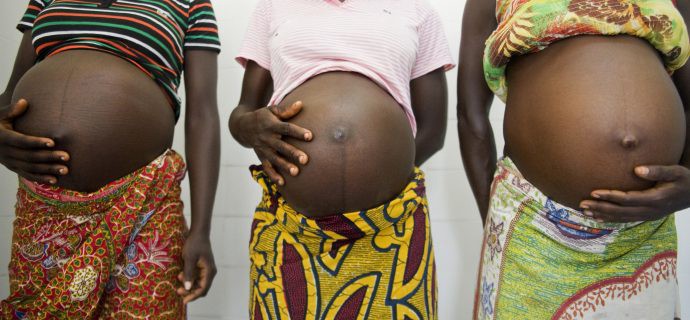
Ghana needs ¢3.5 trillion to provide adequate nutrition to 850,000 pregnant women and more than 4,000 infants in the country.
The nutritional value should include multiple micro nutrient and calcium supplementation, exclusive breastfeeding of infants and improving complementary feeding interventions.
It is expected that adequate nutrition would reduce maternal deaths by 82 per cent and 16 per cent stunted growth in children under-five years and ultimately minimise infant mortality.
Currently, one out of every five children in Ghana is malnourished due to endemic poverty, especially in the northern parts of the country.
Dr Haruna Issahaku, a Senior Lecturer at the Department of Economics, University of Development Studies, made this known when he presented findings on a study to a seven-member Eminent Panel at the "Ghana Priorities Conference" in Accra on Sunday.
The event was organised by the National Development Planning Commission (NDPC), in collaboration with the Copenhagen Consensus Centre, an international think tank.
The conference will allow the Panel to critique 80 priority policy interventions using the cost-benefit analysis to provide government and the donor community with the most effective policy solutions to accelerate socio-economic growth.
Dr Issahaku said, for instance, it would cost government GHc203 million annually to provide multiple micro nutrition solutions to pregnant women.
Also, it would cost government ¢26 million per year by way of breastfeeding promotions and sensitisation programmes, in order for 174,000 mothers to undertake exclusive breastfeeding, which would save 745 infant lives annually.
The nutrition intervention, he said, would benefit the nation to the tune of ¢623 million and compel 43,000 extra mothers to undertake exclusive breastfeeding.
Dr Issahaku noted that should government invest one Ghana cedi in nutrition solution interventions, ¢24 would be accrued to the nation.
Meanwhile, Prof Charles Adjasi of the University of Stellenbosch Business School, South Africa, who presented a study on poverty interventions, outlined four measures to alleviate poverty in the country.
They are providing skills training to help individuals pursue economic activities that would earn them regular income, cash transfers to poor households, financial assistance to microfinance enterprises operated by poor households, and social housing or shelter to urban-poor households to enhance livelihoods.
Latest Stories
-
Kwaku Azar writes: A-G vs OSP
13 minutes -
Mfantsipim–Adisadel rivalry built excellence, not division – Sam Jonah
37 minutes -
Vice President launches Mfantsipim’s 150 years of shaping Ghana’s greatest mind
54 minutes -
I assure Otumfuo, Mahama will join him to commission KNUST Teaching Hospital by end of this year – Haruna Iddrisu
2 hours -
Gov’t to roll out free special education for persons with disabilities from July 1 – Education Minister
2 hours -
“We used it to test our officiating officials’ readiness” – Bawah Fuseini after CAA Athletics event
2 hours -
Volleyball emerges as Ghana’s fastest rising sport
3 hours -
National Sports Fund needs strong leadership from the top – Administrator David Wuaku
3 hours -
JoySports Exclusive: Steve McLaren in talks with GFA after expressing interest in Black Stars job
3 hours -
Fire guts auto parts warehouse at Bubuashie, one fire officer injured
3 hours -
I owe my victory to coach Ofori Asare – Allotey after winning WBA Africa Gold Super Flyweight belt
3 hours -
Church of Pentecost supports over 2,000 BECE candidates in Obuasi with career guidance seminar
5 hours -
Brandon Asante and Coventry all but promoted to Premier League despite Sheffield Wednesday draw
5 hours -
GPL 2025/26: Late Kwartemaa strike downs Hearts in Tema
5 hours -
Ghana Faces Sierra Leone Moment as Prosecutorial Powers come under strain
5 hours