

Audio By Carbonatix
To attract the necessary investments for improving healthcare delivery, Ghana must present clear, evidence-based priorities. This evidence is best generated through research.
In pursuit of this goal, the Ghana Health Service (GHS), in collaboration with key stakeholders, has solicited research questions to identify data-driven solutions for better health outcomes.
Over a thousand research questions were submitted by Ghanaians from various sectors, covering areas such as maternal and newborn care, child and adolescent services, and broader healthcare concerns.
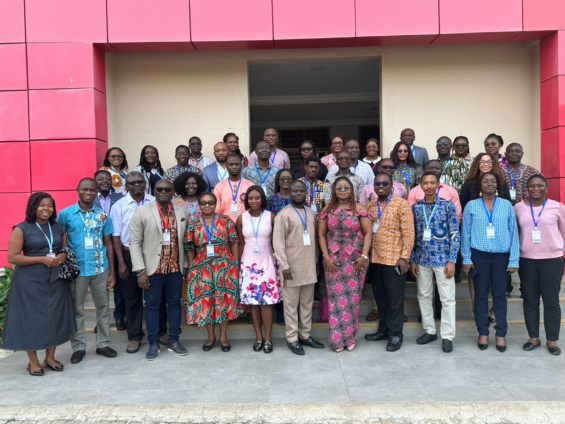
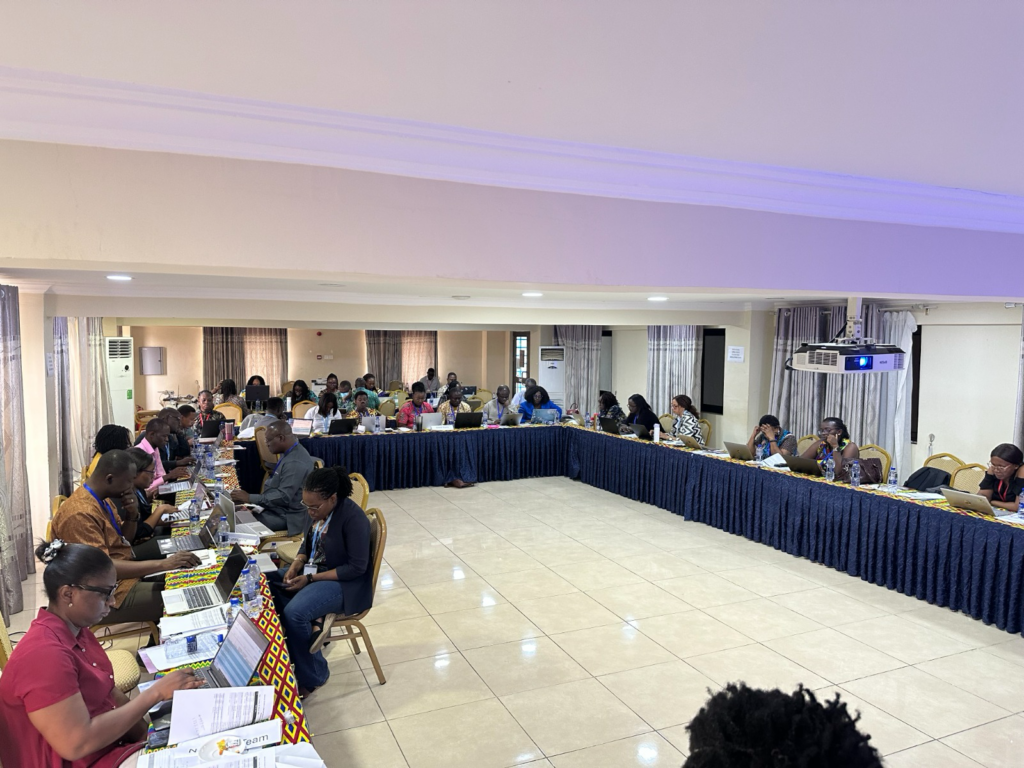
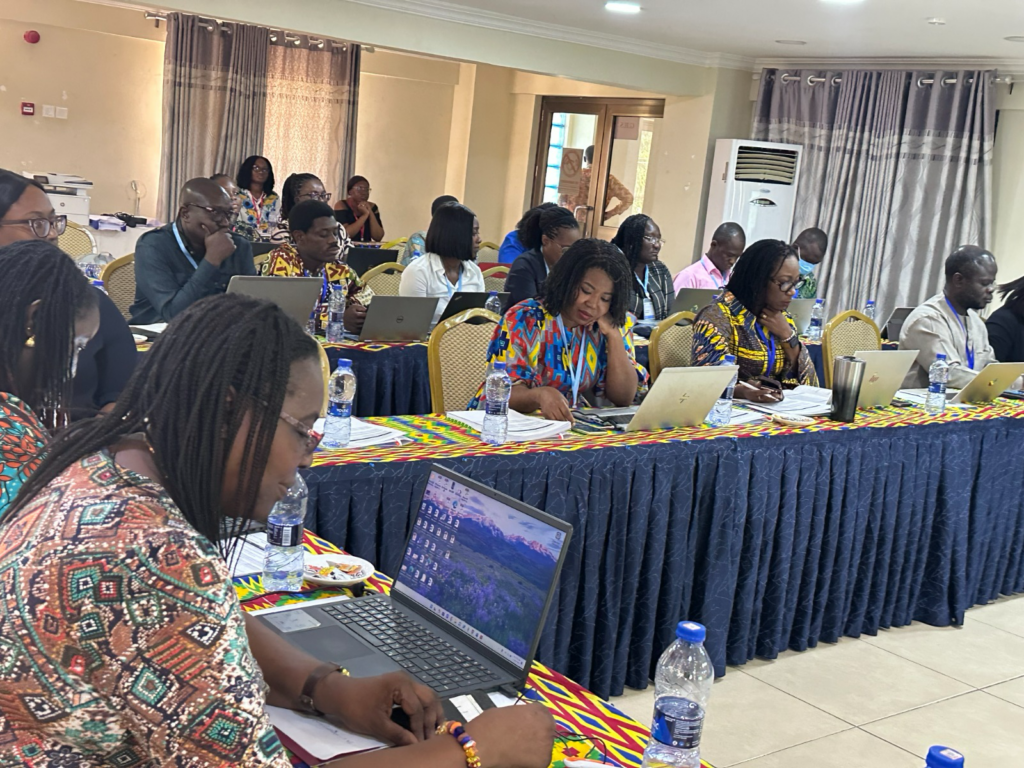
To determine which of the questions should be prioritized for further research and using the Child Health and Nutrition Research Initiative (CHNRI) - a team of experts made of health officers, service users, donor partners in the health sector as well as other critical stakeholders were assembled in Koforidua and tasked to score them based on their urgency, impact among others.
The team assessed and scored the questions based on urgency, impact, and feasibility.
Ghana’s healthcare system faces significant challenges, ranging from maternal and newborn health to adolescent and elderly care.
However, responses to these concerns have often been reactive rather than research-driven. For donors and development partners, funding decisions rely heavily on credible data.
Felix Osei Sarpong, Health Specialist at UNICEF Ghana, emphasized the importance of an evidence-based approach in an interview with JoyNews.
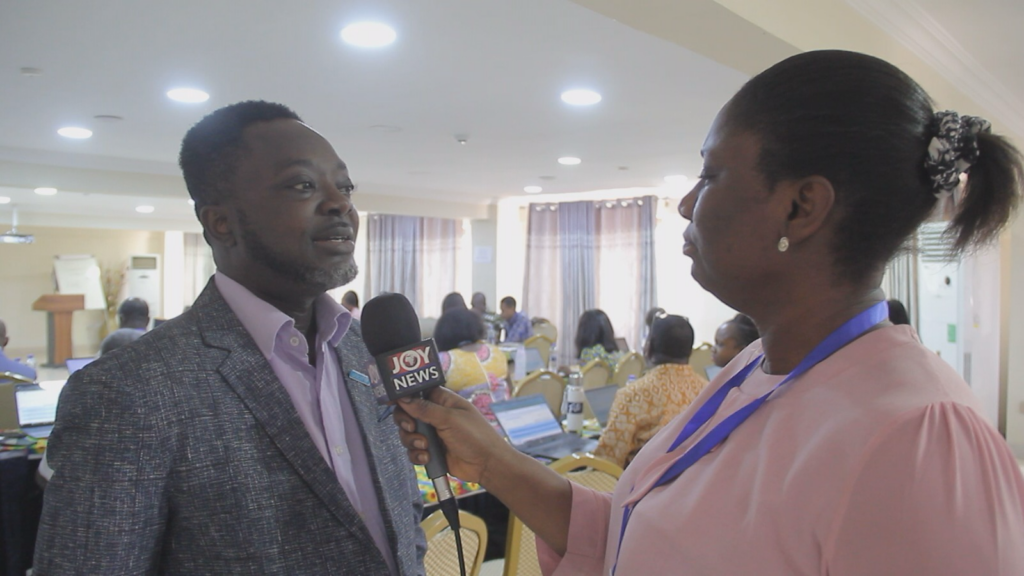
“In our work with the Ministry of Health and the Ghana Health Service, we want to use evidence—evidence in all that we do in terms of support.
"Before one can really use evidence, there is a need to engage various stakeholders, get their input, so that the research agenda for the health system is actually tailored to the needs of Ghana.”
Dr. Sylvia Deganus, a retired obstetrician-gynecologist, highlighted the urgent need for mental health and psychosocial support for pregnant women.
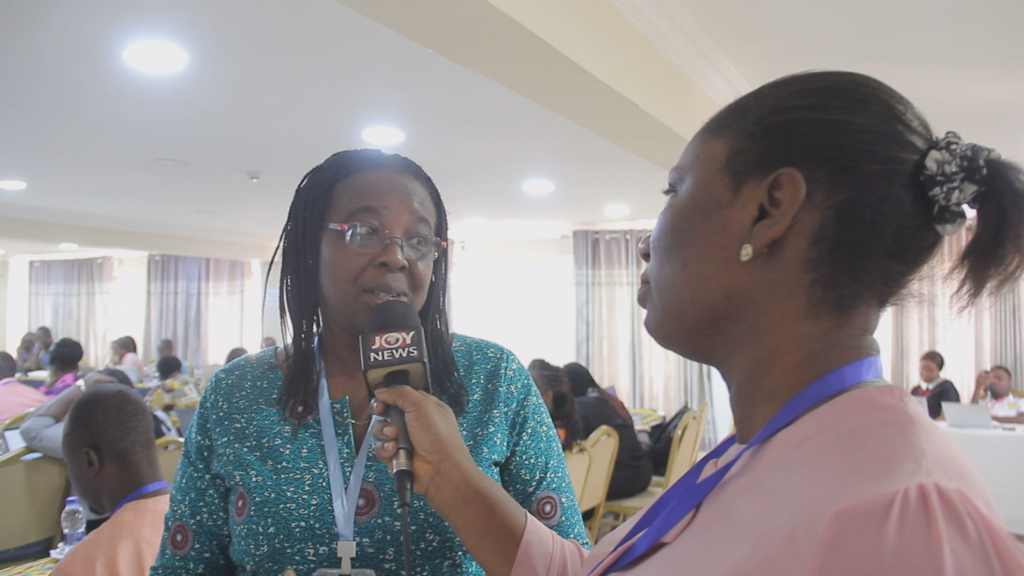
“We’ve always realised the need for mental health and psychosocial support for pregnant women. There were a lot of issues raised in that direction, and I thought those were areas we need to explore.
"There were also questions about the quality of care we are providing to mothers—how to reduce maternal mortality. Antenatal coverage is very high, so it’s not about women coming in anymore, but what they receive when they come.”
Cynthia Nyaveh, a service user, shared her frustration with the National Ambulance Service, citing financial burdens faced by families during emergencies.
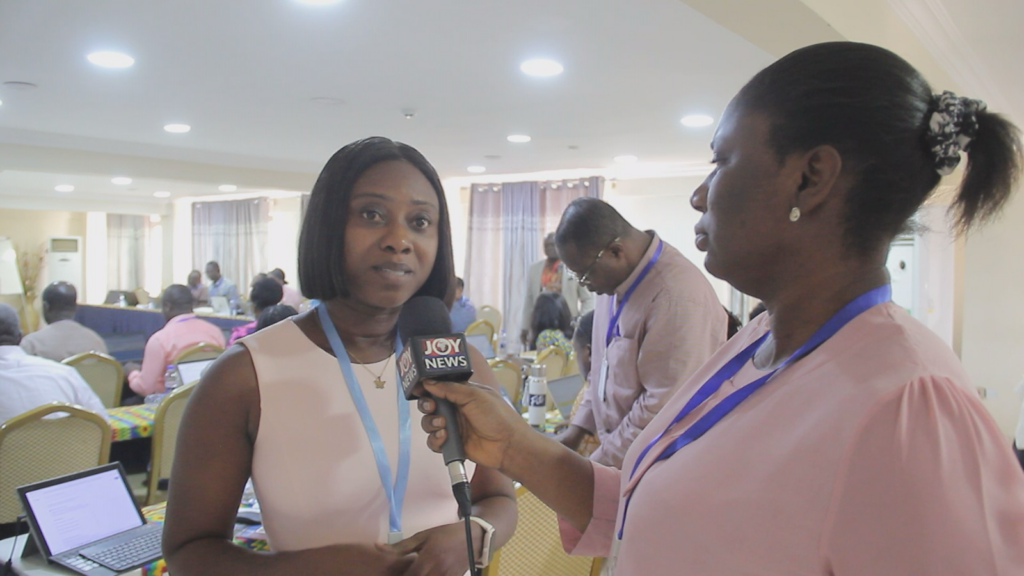
“I had a preterm baby and needed a referral to a bigger facility. Though the National Ambulance Service is publicly perceived as free, they explained that because it was outside the region, I had to support with fuel—at the time, it was about GH¢600. Imagine a parent who couldn’t afford this money—what would have happened to the baby?”
Lead Researcher Dr. Alexander Ansah Manu of the School of Public Health at the University of Ghana stressed the importance of prioritising research questions based on resource constraints and national health needs.
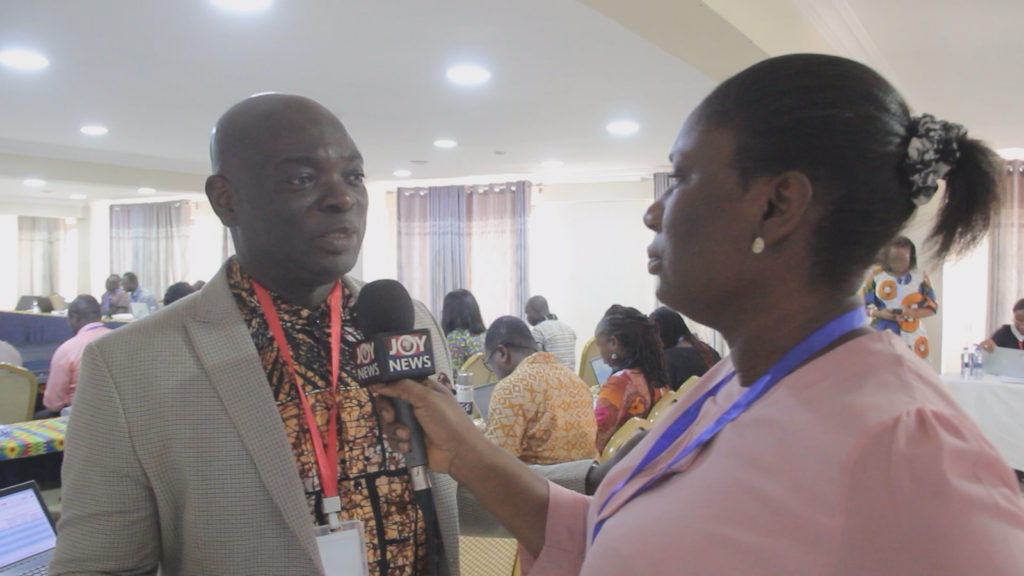
“If you have limited resources, prudent use of resources is critical. Prudence means having a scale of preference—what are the most important things we must tackle? The questions raised directly touch on the realities of Ghanaians. At the end of the day, I believe we will have a very useful output that the nation can use.”
On concerns about implementing research findings, Dr. Manu expressed optimism, citing Ghana’s track record of integrating research-driven strategies into national policies.
“There are no guarantees that people will implement them, but as a country, we have adhered to many of the programs we’ve developed in the past.
"While some targets are not fully met, for most, we achieve 60-80% of the objectives. If these findings feed into national strategies, there is a higher likelihood of uptake and implementation, leading to the expected outcomes.”
The outcome of this research prioritisation exercise will guide Ghana’s next steps in health research, shaping policies and interventions aimed at improving healthcare delivery nationwide.
Latest Stories
-
Four arrested over robbery attack on okada rider at Fomena
10 seconds -
NDC gov’t refusing to take responsibility for anything that affects Ghanaians – Miracles Aboagye
25 minutes -
Parental Presence, Not Just Provision: Why active involvement in children’s education matters
51 minutes -
24-Hour economy policy fails to create promised jobs – Dennis Miracles Aboagye
1 hour -
Ghana Embassy in Doha urges nationals to take shelter after missile attack
1 hour -
Government’s macroeconomic stability commendable, but we need focus on SME growth – Victoria Bright
1 hour -
Macro stability won’t matter without food self-sufficiency- Prof. Agyeman-Duah
2 hours -
How Virtual Security Africa is strengthening safety at Mamprobi Polyclinic
2 hours -
Ghana on right track macroeconomically, but structural gaps remain – Fred Dzanku
2 hours -
ADB MD honoured for impactful leadership at PMI Ghana engagement
2 hours -
Bringing Ofori-Atta’s photo to Parliament and displaying it was unfair – Afenyo-Markin
3 hours -
Minority leader calls 24-Hour economy policy more PR than practical solution
3 hours -
Afenyo-Markin accuses government of using anti-corruption drive to target opponents
3 hours -
GPL: Kotoko announce new board of directors
3 hours -
Minority leader challenges government’s ‘one million jobs’ claim
3 hours