

Audio By Carbonatix
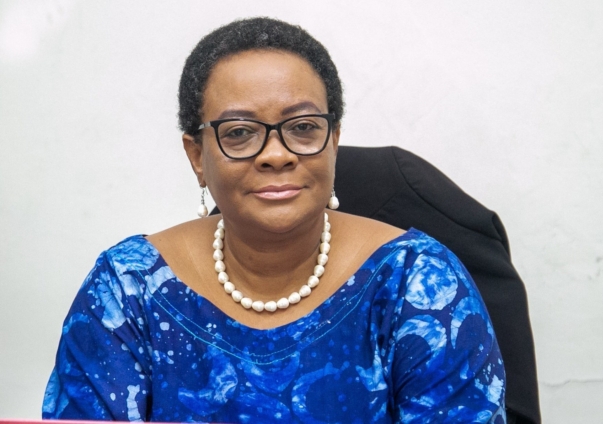
The Executive Director of the Ghana Integrity Initiative (GII), Mary Awelana Addah, has called for measures to address the rising instances of single-sourcing procurement practices within the public service.
She emphasised that while single-sourcing is legal under specific conditions, its increasing use has raised concerns about public sector corruption.
Single-sourcing procurement involves the buying entity selecting a particular supplier without opening the process to competitive tender.
This method, though legal under certain circumstances, is often seen as a gateway for corrupt practices within the public sector.
Madam Addah highlighted that many stakeholders have linked the prevalence of corruption in the public sector to the frequent use of single-sourcing procurement.
She argued that relying on a single supplier without competition undermines transparency and accountability in the procurement process.
To combat this issue, the GII Executive Director recommended that public procurement should be subjected to a competitive tendering process.
She believes that this approach would help eliminate corruption by ensuring that all suppliers have an equal opportunity to bid for contracts, thereby promoting fairness and transparency.
Madam Addah's call for reform comes amidst growing concerns about the integrity of public procurement practices.
She stressed the need for stringent measures to ensure that public procurement processes are fair, transparent, and free from corruption, ultimately contributing to better governance and public trust.
“Out of the total procurement window, almost 85 per cent of it is done through a single source. And if it is a single source, it means there are a lot of compromises being reached."
“If people are buying school materials, textbooks, and the rest in the education sector, health items, and we are procuring them through single source procurement, while the IMF has recommended that we do a lot more of the competitive tendering, then it means we are compromising on the regime and that affects mostly the private sector.”
Latest Stories
-
Gideon Boako cuts sod for new maternity block at Duayaw Nkwanta Health Centre
2 minutes -
NRSA to limit use of converted Toyota Voxy to Intra-city operations
4 minutes -
Mustapha Abdul-Hamid declares bid for NPP National Vice Chairman
18 minutes -
NRSA boss defends planned closure of garages involved in illegal left-to-right steering conversions
23 minutes -
Invite more investors to explore Ghana’s oil and gas potentials – PIAC to gov’t
33 minutes -
Ghana, Egypt move to deepen cooperation in border security, counter-terrorism, cybersecurity
41 minutes -
Guggisberg Fiagbenu enters race for Central Tongu NPP Chairmanship in Volta region
55 minutes -
Today’s Front pages: Thursday, April 9, 2026
1 hour -
“Black Stars have what it takes to win the World Cup” – Sports Minister Kofi Adams
2 hours -
Bank of Ghana Governor to perform official tee-off at 3i Africa Invitational Tournament
2 hours -
Chamber of Bulk Oil Distributors urges caution amidst Special Prosecutor’s petroleum probe
2 hours -
NDC elections: Nat Tetteh eyes Eastern Regional Deputy Secretary position
2 hours -
Ablakwa highlights Ghana-France cooperation, praises Macron on reparatory justice
3 hours -
Protect people, not prices – Joe Jackson rejects fuel tax cuts and subsidies
3 hours -
Finance Ministry, BoG clarify false claims about Databank’s bond market specialist status
3 hours