

Audio By Carbonatix
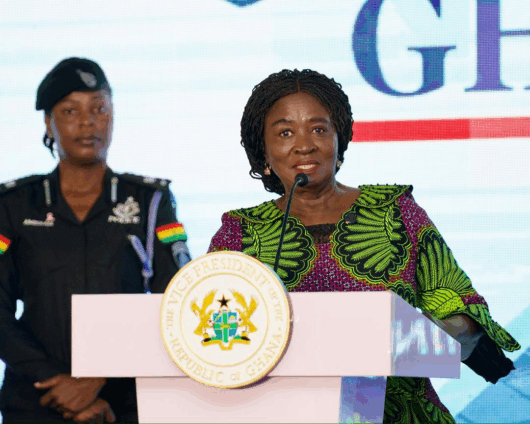
Vice President Prof Naana Jane Opoku-Agyemang has identified upholding agriculture and aquaculture as central pillars in attaining SDG 2 (Zero Hunger) and SDG 14 (Life Below Water).
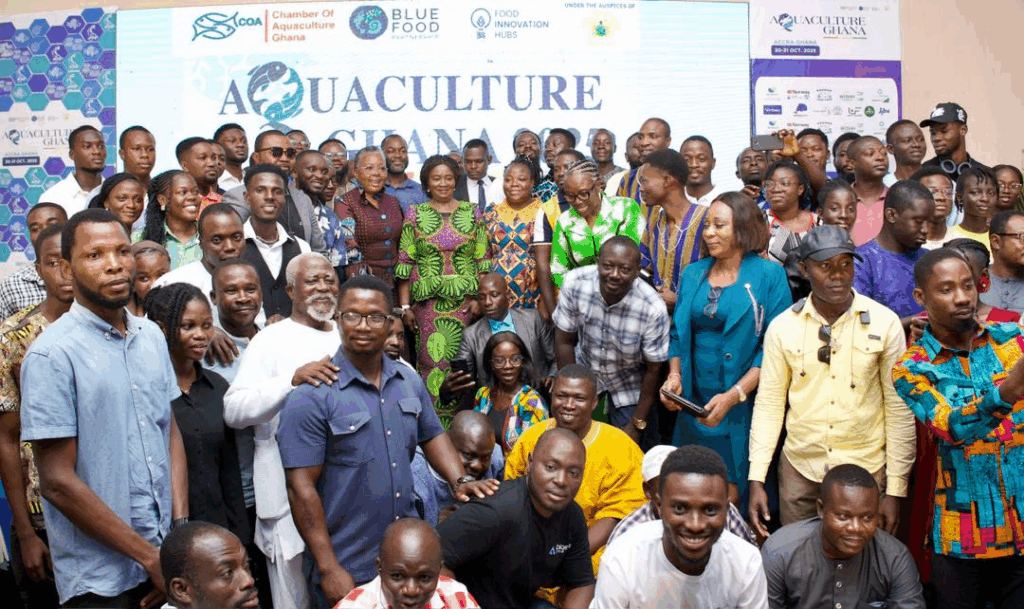
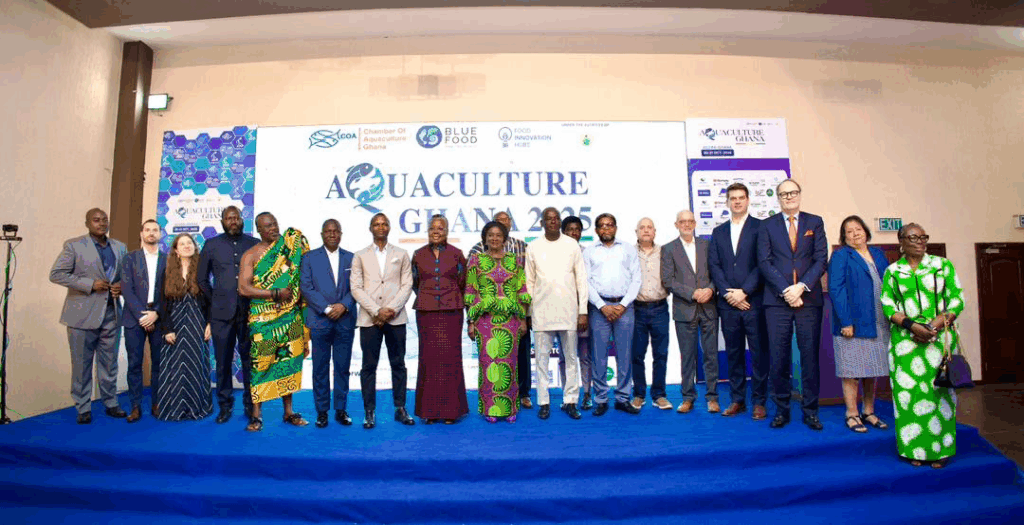
Explaining at the Aquaculture Ghana 2025 Conference, the Vice President noted how the sector’s impressive growth has risen from 45,000 metric tonnes to 108,000 metric tonnes in recent years.

Relying on that foundation, Professor Opoku-Agyemang called for a buildup on reducing post-harvest waste as part of efforts to strengthen the entire value chain.

Also guided by the Fisheries and Aquaculture Development Act, 2005, the Vice President also highlighted government’s commitment to promoting innovation, inclusion, and environmental sustainability within the sector.
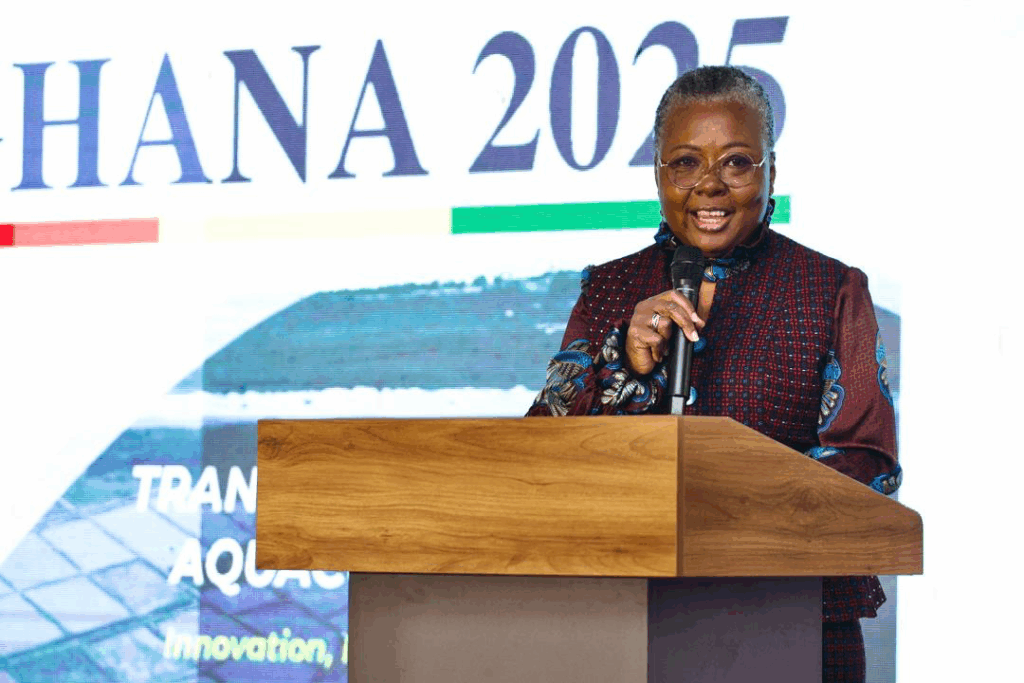
The Vice President also announced that the government will soon launch an Aquaculture Development Fund, which will improve access to finance, enhance infrastructure, and accelerate research and technology transfer across the country.
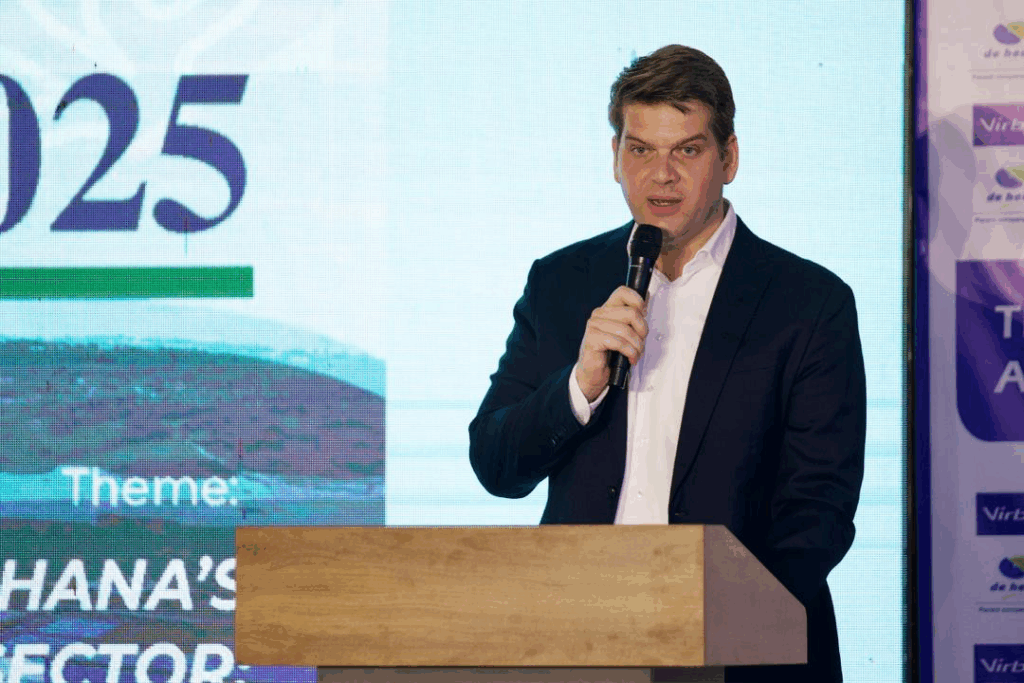
Emphasising that the aquaculture industry already supports millions of livelihoods - from hatcheries and feed mills to processors, traders, and exporters - Prof Nana Jane Opoku Agyemang stated that the government intends to make aquaculture a major source of employment for youth and women entrepreneurs.
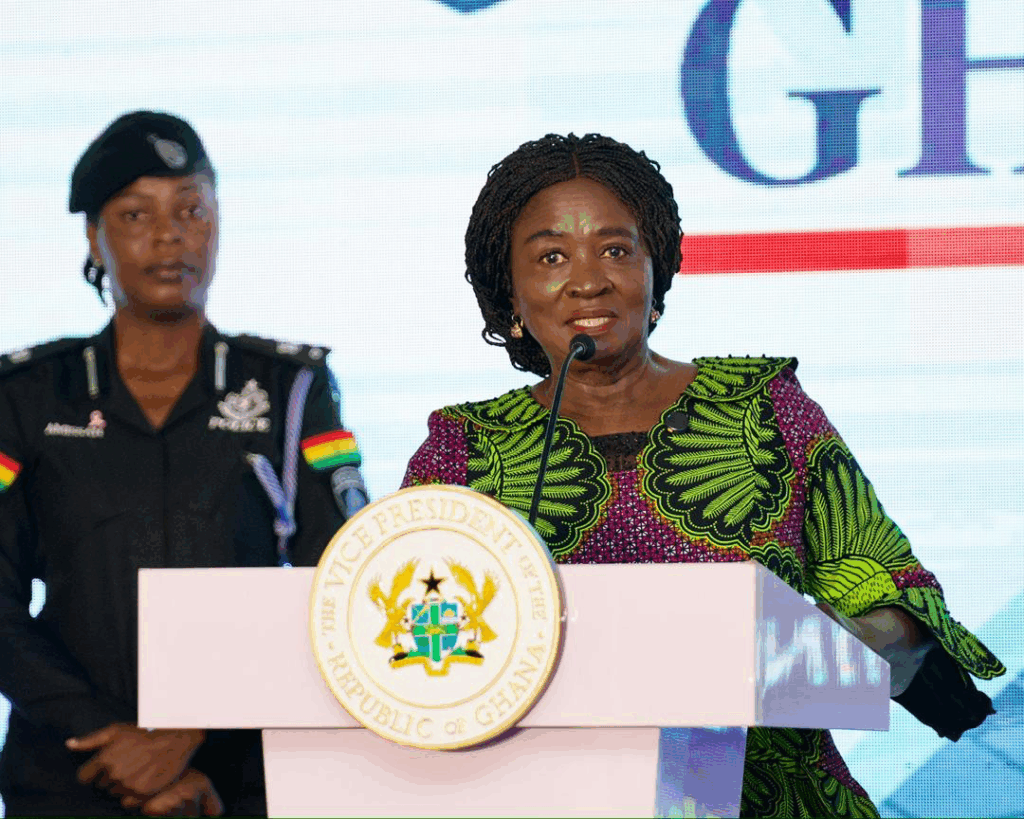
She said, "The aquaculture sector sustains millions of livelihoods, from hatcheries and feed mills to processors, traders, and exporters.
"Government aims to make it a major source of job creation and food security, empowering youth and women entrepreneurs."
The aquaculture sector sustains millions of livelihoods, from hatcheries and feed mills to processors, traders, and exporters.
Government aims to make it a major source of job creation and food security, empowering youth and women entrepreneurs.
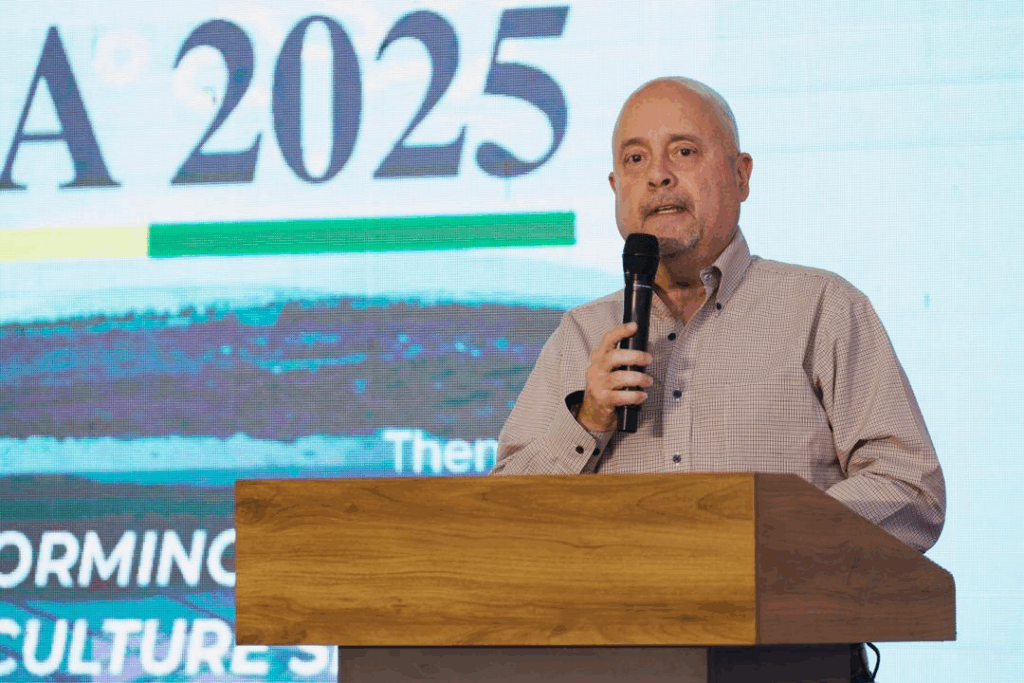
"There is money in the water. Let us work together with accountability, stewardship, and shared responsibility to make aquaculture the backbone of Ghana’s sustainable development," the Vice President reiterated.
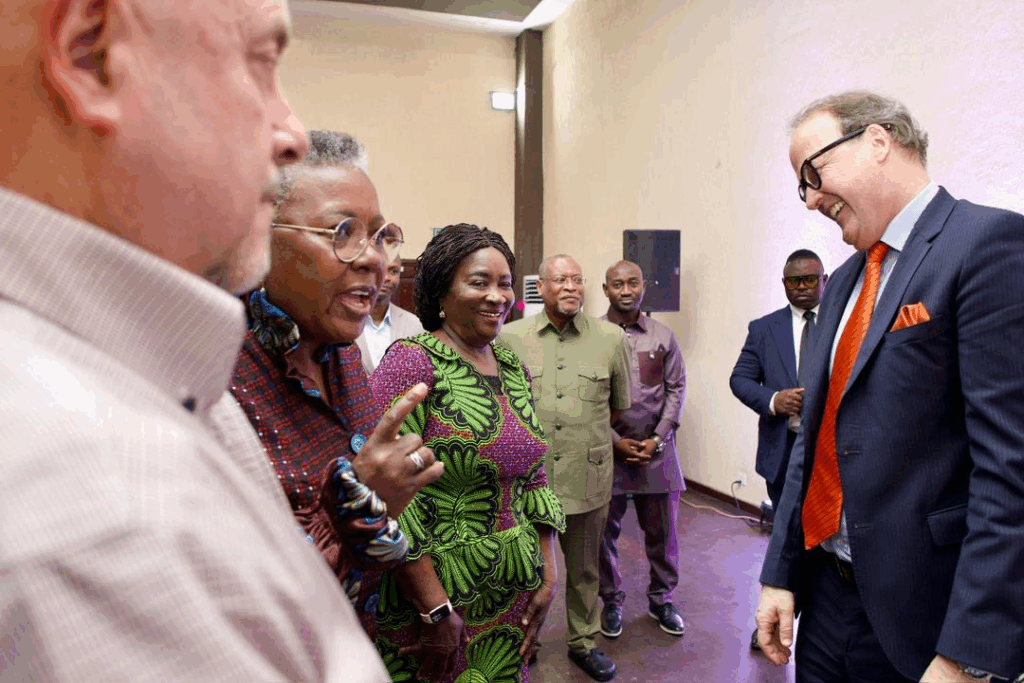
To further boost growth, Prof. Opoku-Agyemang also revealed plans to establish a One-Stop Aquaculture Licensing Regime and a National Aquaculture Commission, envisioned as a Centre of Excellence for training, research, and large-scale fish production.
She also touched on the industry's challenges, including high feed and energy costs, limited access to renewable energy, inadequate processing infrastructure, and disease outbreaks.
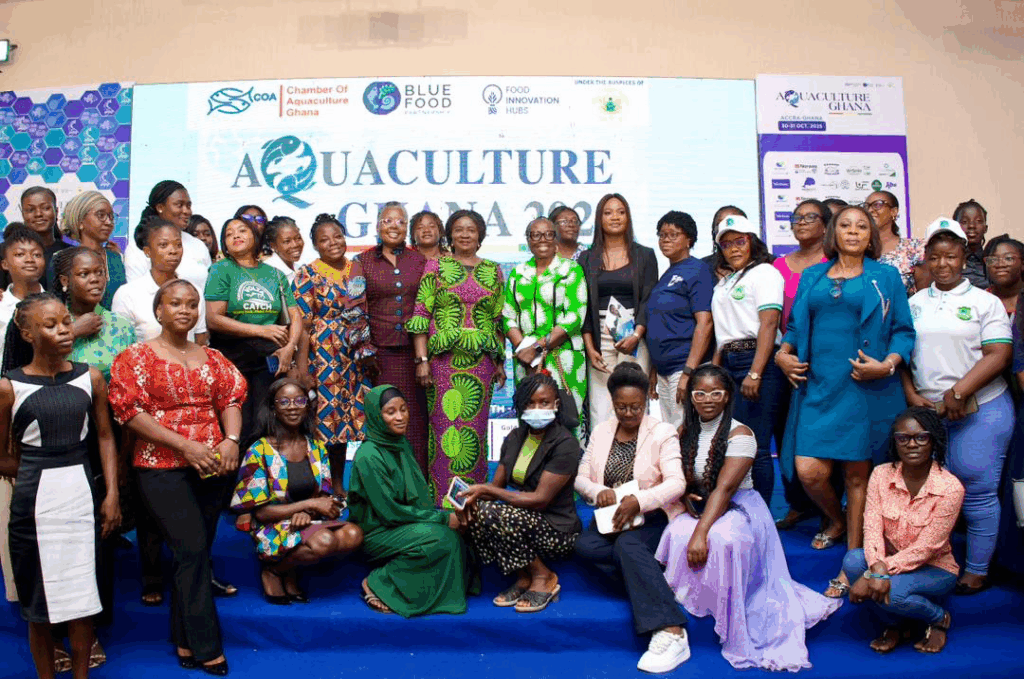
Here, she underscored comprehensive reforms underway to tackle these bottlenecks.
“Aquaculture development,” she said, “will drive green jobs, industrial growth, and rural transformation — becoming a catalyst for climate resilience and economic renewal.”
Latest Stories
-
Ghana to honour Christina Hammock Koch for historic Artemis II mission
4 minutes -
Supreme Court appointments require more than 15 years’ experience – Justice Adjei-Frimpong
20 minutes -
Fire destroys 3-bedroom house at Bogyawe
44 minutes -
Why the Supreme Court is a “policy court” – Justice Richard Adjei-Frimpong breaks it down
48 minutes -
Playback: The Law discussed Supreme Court @150
2 hours -
MTN Momo staff walk to promote wellness and fitness
2 hours -
Assafuah: Sedina Attionu’s return from Nevada will test government’s commitment to accountability
2 hours -
How GRA’s Modified Taxation Scheme is boosting revenue compliance & SMEs competitiveness
3 hours -
Stonebwoy Can Do It: A call to unite behind 2026 BHIM Fest
3 hours -
World Shea Expo returns to Tamale for 2026 edition
3 hours -
Prioritise cocoa sector with better prices, timely payments-Annoh-Dompreh urges NDC
4 hours -
Lands and Mines Watch Ghana endorses Heath Goldfields’ mining capacity
4 hours -
Gbintiri residents protest alleged diversion of 24-hour market project
4 hours -
Justin Bieber headlines Coachella with nostalgia-fuelled set
4 hours -
Ukraine and Russia accuse each other of hundreds of ceasefire violations
4 hours