

Audio By Carbonatix
Survival rates for childhood cancer and sickle cell disease in Ghana remain below 50%, largely due to late diagnosis, limited access to treatment, and a shortage of trained haematology professionals.
In response, World Child Cancer has launched the Strengthening Haematology Skills Project, a nationwide initiative aimed at equipping healthcare professionals with both clinical and psychosocial skills.
The programme focuses on improving the management of blood supplies while enhancing the emotional and mental support provided to patients.
These interventions are crucial for conditions such as leukemia and sickle cell disease, where blood transfusions are often life-saving.
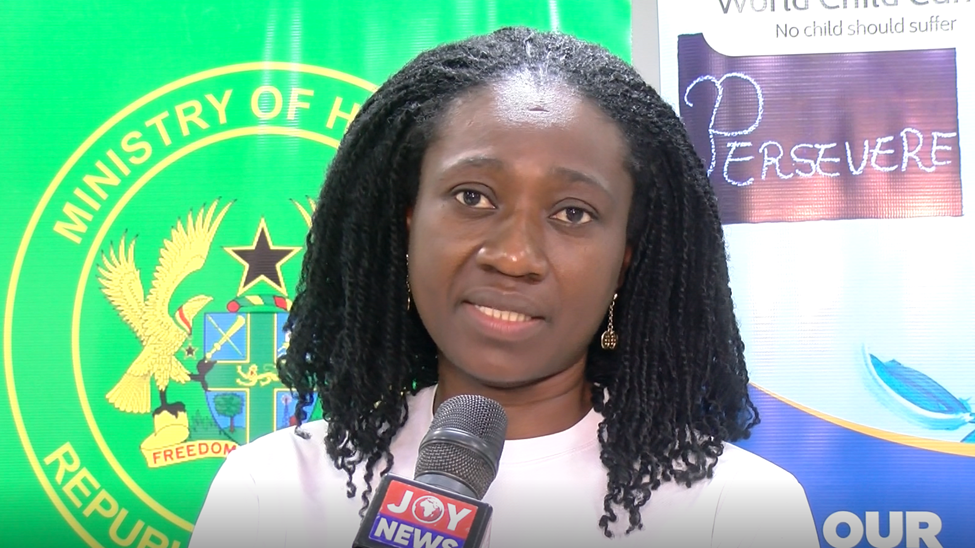
According to Adwoa Pinamang Boateng Desu, Country Coordinator for World Child Cancer, the initiative was designed to close critical gaps in haematology care and ensure safer, more effective blood transfusions.
Supported by Bristol Myers Squibb, the project has trained 282 healthcare professionals, including 14 oncology pharmacists, using a training-of-trainers model to scale impact.
“With the ongoing challenges of transfusion reactions, limited funding, and poor management of blood disorders, we launched this project to strengthen haematology care in Ghana,” Boateng Desu explained.
She also noted that educational and communication materials on blood transfusion for sickle cell disease and leukemia were developed in collaboration with the Health Promotion Division of the Ghana Health Service to support public awareness and clinical education.
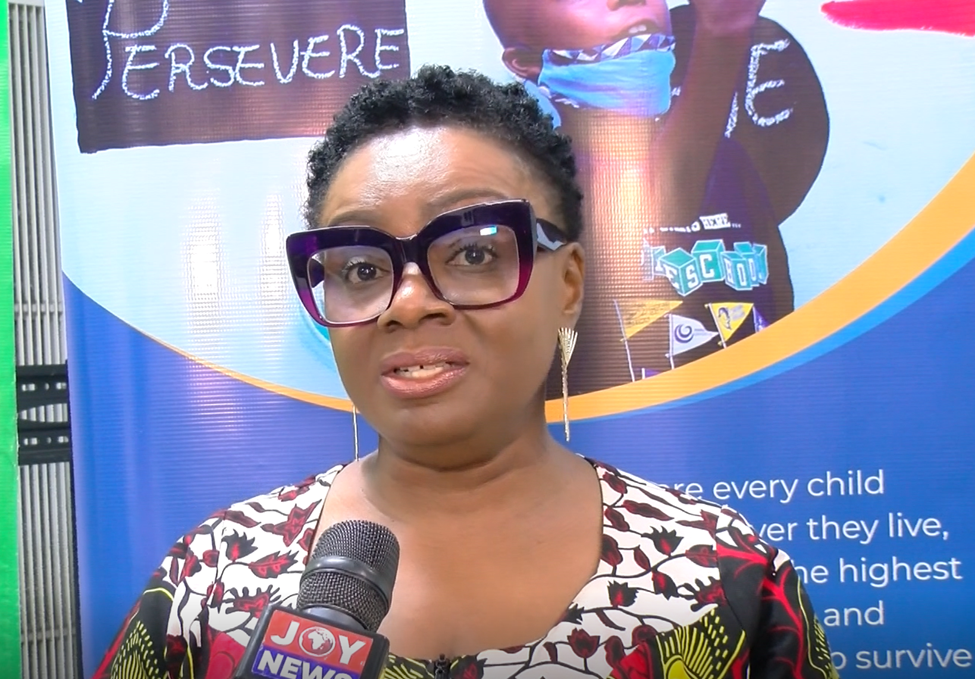
One of the major barriers to effective blood care in Ghana, however, lies in the deep-rooted myths surrounding blood donation. Misconceptions such as beliefs that donated blood is used for occult practices—have discouraged potential donors, leading to critical shortages and treatment delays. CEO of the National Blood Service, Dr. Shirley Owusu-Ofori, firmly dispelled these claims.
“Every unit of blood donated is fully traceable from the point of donation to the recipient. Even discarded units are properly accounted for. The National Blood Service does not collaborate with any spiritual or non-clinical entities. All blood is used strictly for medical purposes,” she stated. Dr. Owusu-Ofori emphasized the service’s role in rebuilding public trust through continuous media engagement and education campaigns aimed at debunking harmful myths.
As Ghana works to strengthen its healthcare infrastructure, initiatives like the Strengthening Haematology Skills Project remain vital. By investing in professional capacity and countering misinformation, the country is laying the groundwork for safer transfusions, better blood donation rates, and improved survival outcomes for patients battling leukemia, sickle cell disease, and other life-threatening conditions.
Latest Stories
-
GPL 2026/27: Darkwah Wiafe’s winner sees All Blacks beat Kotoko
5 minutes -
ITF World Tour : Patel Wins Boys’ Singles Final at J100 Accra
18 minutes -
Ghana must pursue BRICS partnership if it brings economic benefits – Kpebu
21 minutes -
Success and Wright Claims J100 Accra Girls’ Doubles Championship
22 minutes -
ITF J100: America’s Wright wins J100 Accra Girls’ Singles Title
28 minutes -
Expedition hopes to find aviator Amelia Earhart’s plane on remote island
29 minutes -
US seeks changes to rejected $109m health compact with Ghana – Mahama
59 minutes -
Nine dead in mass shooting at Pennsylvania home
1 hour -
‘Time for Ukraine to get new president,’ says Trump after Zelensky condemns diesel deal
1 hour -
Hincapie injury adds to Arsenal issues after Guimaraes rescue act
1 hour -
Henderson scores twice as Chelsea thumb Bournemouth
2 hours -
Photos: Mentapulse Africa convenes health and labour summit to address talent retention
2 hours -
Mahama inspects Nkokɔ Nketenkete plant, eyes Bechem as chicken capital
2 hours -
Ghana not seeking full BRICS membership, applying as Partner Country – Ablakwa
2 hours -
Woman injures three people in third Poland school knife attack in a week
2 hours