

Audio By Carbonatix
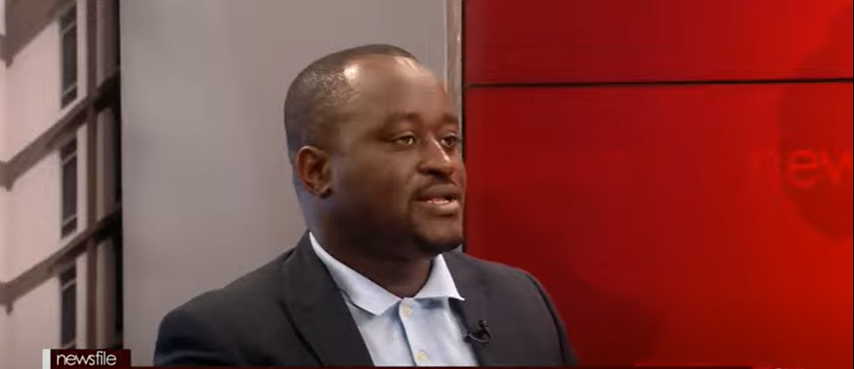
Economist and political risk analyst, Dr. Theo Acheampong, has called for a more nuanced and targeted approach in addressing the dismissal of public sector employees hired after December 7, 2024.
Speaking on Newsfile on Saturday, February 22, 2025, he expressed the need for a comprehensive audit of the appointments before making any blanket decisions, adding that due process must be verified to distinguish legitimate hires from irregular ones.
"So I think then what ought to be done for me, first thing is it needs a more nuanced and a more targeted approach. The whole mass approach perhaps doesn't work. So for sure, we need an audit of all these appointments. I would even probably even extend it to two months, even before the election, and not just after 7th December."
"I also don't think that in the context of that audit, we need to be very sure that every one of those people that have been employed, put and on put, went through that due process, financial clearance, authorization, all of those things right," he suggested.
Dr. Acheampong acknowledged that Ghana’s public payroll is under strain, particularly in the context of the ongoing IMF program, where wages and salaries remain one of the biggest expenditure items after debt servicing.
"Nobody denies that we need more doctors, we need more teachers, we need more civil servants, so to say. But then they also have to go through a certain process in terms of those appointment but in the context of an IMF program that we're running, and you look at the expenditure items that the government has after paying off your debt or servicing your debt, the next biggest item on there is the moment and salaries. And you would have to do something in terms of trimming, but also in terms of ensuring that there are efficiency savings within that," he explained.
He pointed out that governments in power often rush to regularise certain appointments before leaving office, which ultimately adds pressure on public finances.
"After December 7, it often looks like an outgoing government is in a rush to regularise certain appointments that should have been done much earlier. Suddenly, there’s a panic to ensure these people have contracts, and all these decisions cascade into payroll challenges," he noted.
Dr. Acheampong cited instances where teachers were affected by the mass dismissals, even though their recruitment processes began months before the election but were delayed due to administrative bottlenecks.
He advised that the audit should have clear timelines, ensuring that those who legitimately went through due process are reinstated, while those who did not are removed.
"Ultimately, what will happen is that some people would be re-employed back, and some would not be," he said.
Latest Stories
-
FABAG commends Ato Forson’s over removal of 20% excise duty on locally manufactured fruit juices
4 minutes -
HIV stigma discourages testing, prevention and treatment in Ghana – Ghana AIDS Commission
7 minutes -
Blocking cocaine probe lends weight to claims of political protection for traffickers – Assin South MP
10 minutes -
NPP Vice Chair race: I may be the youngest, but most experienced – Nana B
12 minutes -
Last UK and US troops leave Iraq as anti-Islamic State mission ends
12 minutes -
Don’t stay home idle, embrace entrepreneurship while awaiting posting – Unemployed nurses urged
24 minutes -
Aayalolo buses not speeding on contra-flow lanes – GAPTE assures commuters
27 minutes -
Effia MP calls for Kurt Okraku’s removal, overhaul of Ghana football structure
28 minutes -
CAS hearing on AFCON final appeal by Senegalese Football Federation set for October 8
28 minutes -
STC fares to go up by up to 8% this week – Deputy MD
29 minutes -
Photos: Accra-Kumasi bypasses get new lease of life as contractors return to site
29 minutes -
Man allegedly swallows five SIM cards to conceal evidence after arrest
30 minutes -
After three finals, Ayikuma Methodist Basic School finally lifts National Juniors Challenge trophy
30 minutes -
Black Stars management ignored players’ health conditions ahead of Gambia game – Ernest Thompson alleges
32 minutes -
Ghana is 5th largest crypto market in sub-Saharan Africa; annual transactions around $21bn
32 minutes