

Audio By Carbonatix
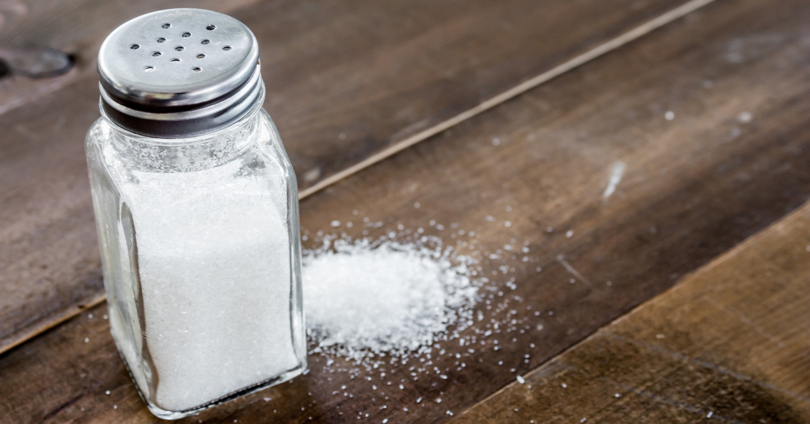
The Kumasi Metropolitan Assembly (KMA) has banned restaurants, chop bars and other food establishments within the Kumasi metropolis from openly displaying salt on dining tables as part of efforts to tackle rising cases of hypertension.
Chief Executive of KMA, Richard Ofori Agyeman-Boadi, said the policy forms part of broader measures to promote healthier eating habits and reduce excessive salt consumption among residents.
“By addressing everyday risk factors such as the routine availability of salt on dining tables, we are taking a practical and preventive step to protect the health of our residents,” he said.
The assembly passed the resolution on December 18, 2025, following concerns over the growing prevalence of hypertension and other non-communicable diseases (NCDs) in the metropolis.
According to KMA, an observational study conducted across 156 food service establishments in Kumasi revealed that 62% openly displayed salt on dining tables, a practice believed to encourage customers to add extra salt to meals already prepared with the mineral.
The study also identified chop bars as the biggest offenders of the practice, which the assembly has now declared illegal.
Mr. Agyeman-Boadi said the policy is intended to create a healthier food environment while encouraging both food vendors and consumers to adopt safer dietary habits.
“Hypertension is no longer a distant health concern; it is affecting families and productive lives across Kumasi,” he noted.
Health experts warn that excessive salt intake is a major risk factor for hypertension, which continues to rise in Ghana. Nationally, non-communicable diseases affect up to 34% of urban populations, with the Ashanti Region recording a prevalence rate of about 37.4%, including many undiagnosed and uncontrolled cases.
The assembly also observed that none of the establishments assessed displayed health advisories on salt consumption, highlighting a missed opportunity to educate the public on the health risks associated with excessive salt intake.
KMA says implementation of the policy will begin this year, with plans to roll out public education campaigns, engage food service operators and incorporate salt-reduction requirements into routine environmental health inspections.
The intervention is being supported by the Partnership for Healthy Cities, a global network of more than 70 cities working to reduce preventable diseases such as heart disease, diabetes and cancer.
Deputy Director for Africa at the partnership, Joseph Ngamije, described the move as a strong example of local leadership in public health.
“Kumasi’s decision shows how cities can use local data to take practical action that protects the public,” he said, noting that banning the open display of salt is a proven strategy to reduce excessive consumption and prevent hypertension.
The initiative is supported by Bloomberg Philanthropies in collaboration with the World Health Organisation and the global health organisation Vital Strategies.
Through the programme, Kumasi joins other cities around the world implementing evidence-based interventions to reduce exposure to major risk factors associated with non-communicable diseases.
Latest Stories
-
He entered at eight. He is now 16: Ghana’s children growing up in prayer camps
2 hours -
‘Development must not always begin from Accra’ — Anwelle Foundation launched in Jirapa
2 hours -
PKO trio eye victories at Odwira Festival
5 hours -
346 Ghana Navy recruits pass out after 26 weeks of intensive training
5 hours -
Newsfile to discuss EOCO-MP arrest, drug trafficking, speech arrests and $235m water debt
6 hours -
JoyNews gets results as listeners raise GH¢40,000 to help 17-year-old student with cerebral palsy attend SHS
6 hours -
Vice President calls for stronger local pharmaceutical production to reduce medicine imports
6 hours -
The brewing tension at KNUST; Beware the Ides of October….
7 hours -
Health Ministry moves to integrate traditional medicine into mainstream healthcare
7 hours -
550 pupils in Kintampo South get educational lifeline as ‘Seeds of Hope’ reaches farming communities
7 hours -
Opoku Mensah urges Christian Council, House of Chiefs to speak up on democratic freedoms
8 hours -
Teacher unions’ strike: Minority demands immediate payment of teacher arrears, 20% deprived area allowance
8 hours -
The Accra-Kumasi Expressway: Building it right
8 hours -
Beyond gold exports: Building value and economic resilience from Ghana’s gold
8 hours -
2027 AFCONQ: Ghana under pressure as Gambia beat Somalia 2-1
8 hours