

Audio By Carbonatix
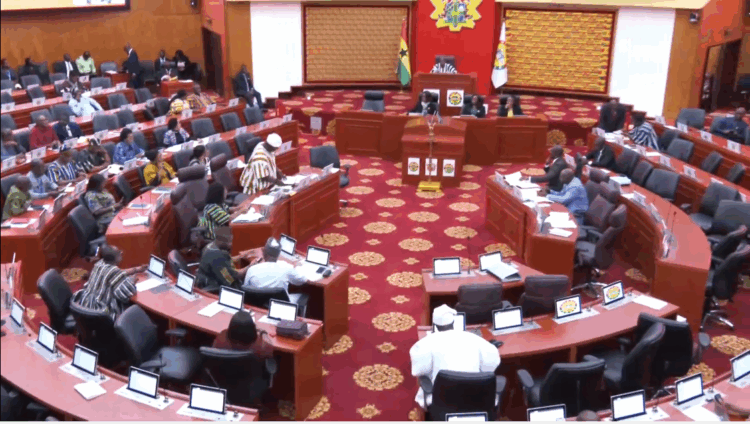
A proposed Security and Intelligence Agencies Bill triggered heated exchanges in Parliament, as the government moves to restructure Ghana’s national security architecture and change the name of the National Investigations Bureau (NIB) back to Bureau of National Intelligence (BNI).
The bill, laid before Parliament by the Minister for the Interior, Muntaka Mohammed-Mubarak, on Thursday, February 19, seeks to address what the government describes as public confusion between the National Investigations Bureau (NIB) and the National Investment Bank, which share the same acronym.
Under the proposed law, the intelligence agency will revert to the name Bureau of National Intelligence (BNI), distinct from its former historical title, Bureau of National Investigation.
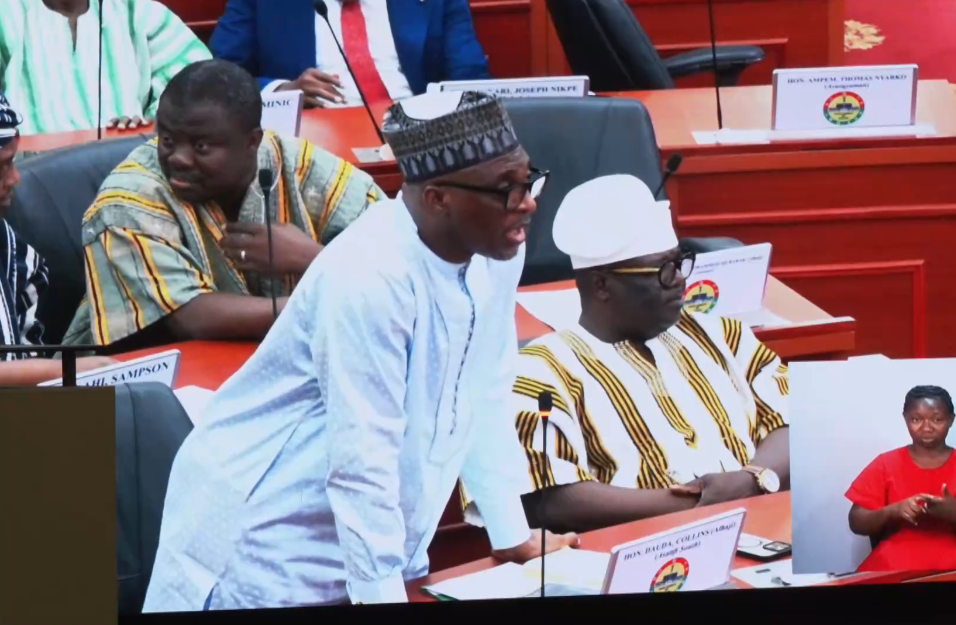
The bill also proposes a major restructuring of national security governance by scrapping the Ministry for National Security, with oversight functions to be exercised through the Presidency.
Presenting the bill, Mr. Mohammed-Mubarak argued that the reforms are necessary to streamline coordination and avoid institutional conflicts.
“Unfortunately, we have a situation where you say NIB, people are wondering whether you are talking about the bank or the security agency. So one of the significant things we are trying to do is to reintroduce the name BNI… Bureau of National Intelligence,” he said.
He added that the new structure is intended to prevent conflict between a Minister for National Security and the National Security Coordinator, stressing that coordination should be firmly anchored under the President with ministerial oversight rather than a standalone ministry.
However, the proposals immediately drew strong opposition from the Minority, who described the bill as flawed, overly centralising power, and lacking safeguards.
Former Defence Minister, Dominic Nitiwul, questioned the policy rationale behind the reforms, warning that the changes could create instability and weaken accountability.
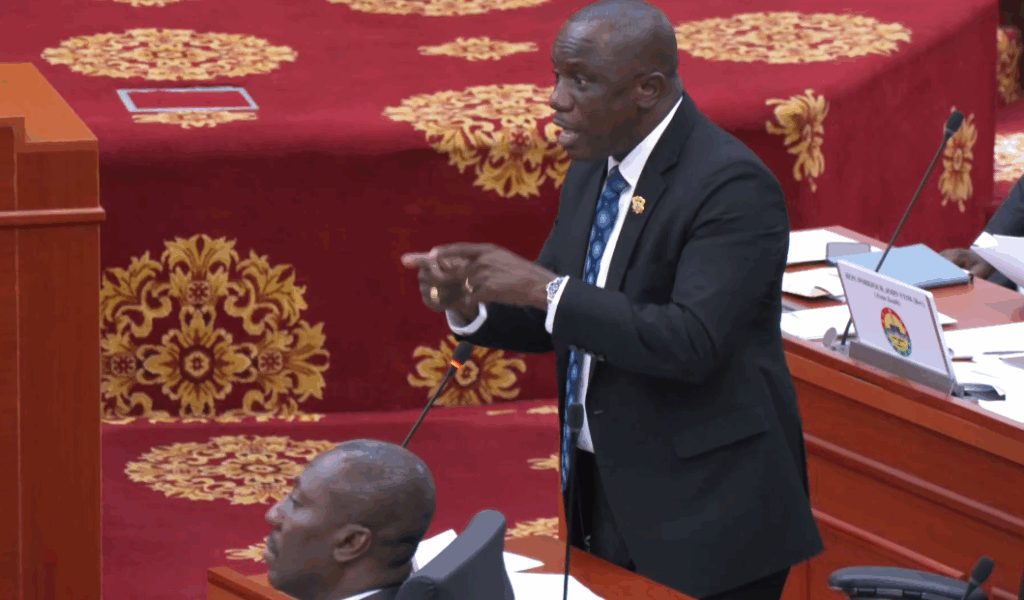
“If in four years you are no more in power, are we expecting a new government to also bring a new Act to reflect their direction?” he asked.
“It will be dangerous for this nation to make that office and agency so powerful without proper accountability. It’s a misplaced priority, and if you do that, you’ll suffer.”
Minority Leader Alexander Afenyo-Markin also rejected the bill, arguing that it is politically motivated rather than evidence-based.

“The memorandum before us does not provide any empirical evidence to suggest that Act 1030 has failed,” he said.
“So much power is being given to the coordinator, and it is not clear how his powers are going to be fettered.
“Without clear responsibility, accountability and oversight, this becomes problematic. When citizens’ rights are abused, it will be justified in the name of national security.”
He called for further consultations and amendments to incorporate concerns raised by the Minority.
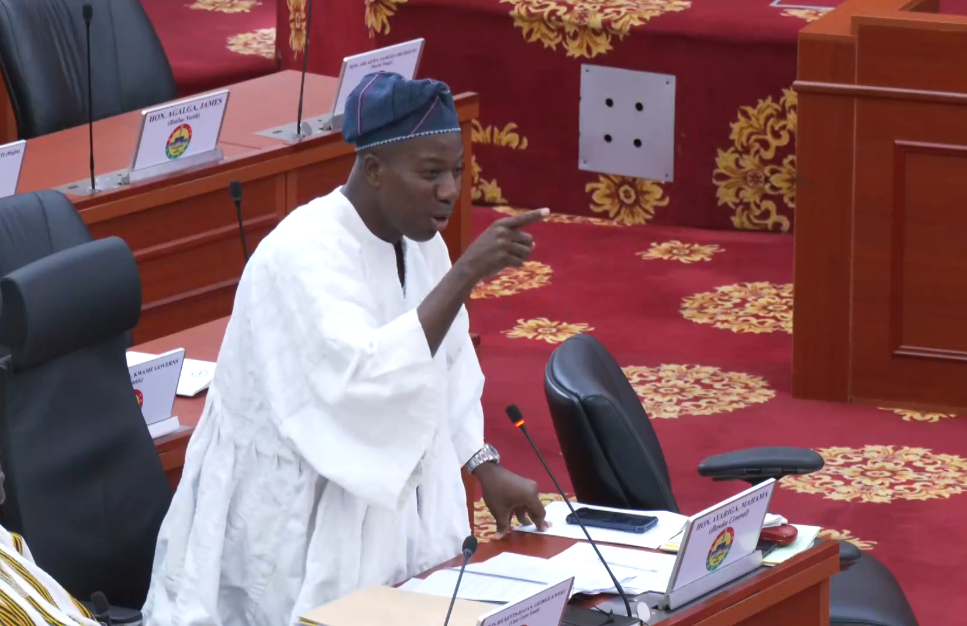
Responding to the criticism, the Majority Leader, Mahama Ayariga, defended the bill, describing it as a correction of what he termed a “historical wrong” created by the previous administration.
“We decided to cut down the number of ministers, and among the ministries we guillotined was the Ministry for National Security,” he said.
“What you [NPP] did was to force the hand of a President to appoint a Minister for National Security. It was a wrong thing for us to have done as a Parliament, and this historical wrong has to be corrected.”
Latest Stories
-
Imprisonment should be rehabilitative, not punitive – Ghana Prisons boss at UNGA
9 minutes -
Ga Adangbe traditional priests petition Mahama over McDan aviation licence revocation
21 minutes -
Anti-LGBTQ Bill: NDC’s arrogance is worrying – Hassan Tampuli
31 minutes -
Let’s give OSP time to mature, not to scrap it – Hassan Tampuli
35 minutes -
Nigeria convicts 386 Islamist militants in mass trials
40 minutes -
Djibouti president wins election with 97.8% of vote, state media says
45 minutes -
We don’t have mandate to deduct tax from rent allowance of security services personnel – Interior Ministry clarifies
59 minutes -
Ablakwa receives Presidential Special Envoy on Reparations to advance global agenda
1 hour -
Christina Koch becomes first woman to travel around the moon on Artemis II
1 hour -
Epstein survivors’ calls to meet King Charles and Queen harder to ignore as US visit approaches
2 hours -
UN Secretary-General names Ghana’s Anita Kiki Gbeho as South Sudan envoy
2 hours -
Mali withdraws recognition of Sahrawi Republic, backs Morocco’s autonomy plan
2 hours -
Gov’t distributes over 8,500 laptops to One Million Coders project
2 hours -
Julius Debrah, ‘man to beat’ as NDC’s James Agbey dismisses Musah Dankwah’s polls
2 hours -
GPRTU in Savannah Region to protest alleged eviction in Damongo
2 hours